
| Registration |
|---|
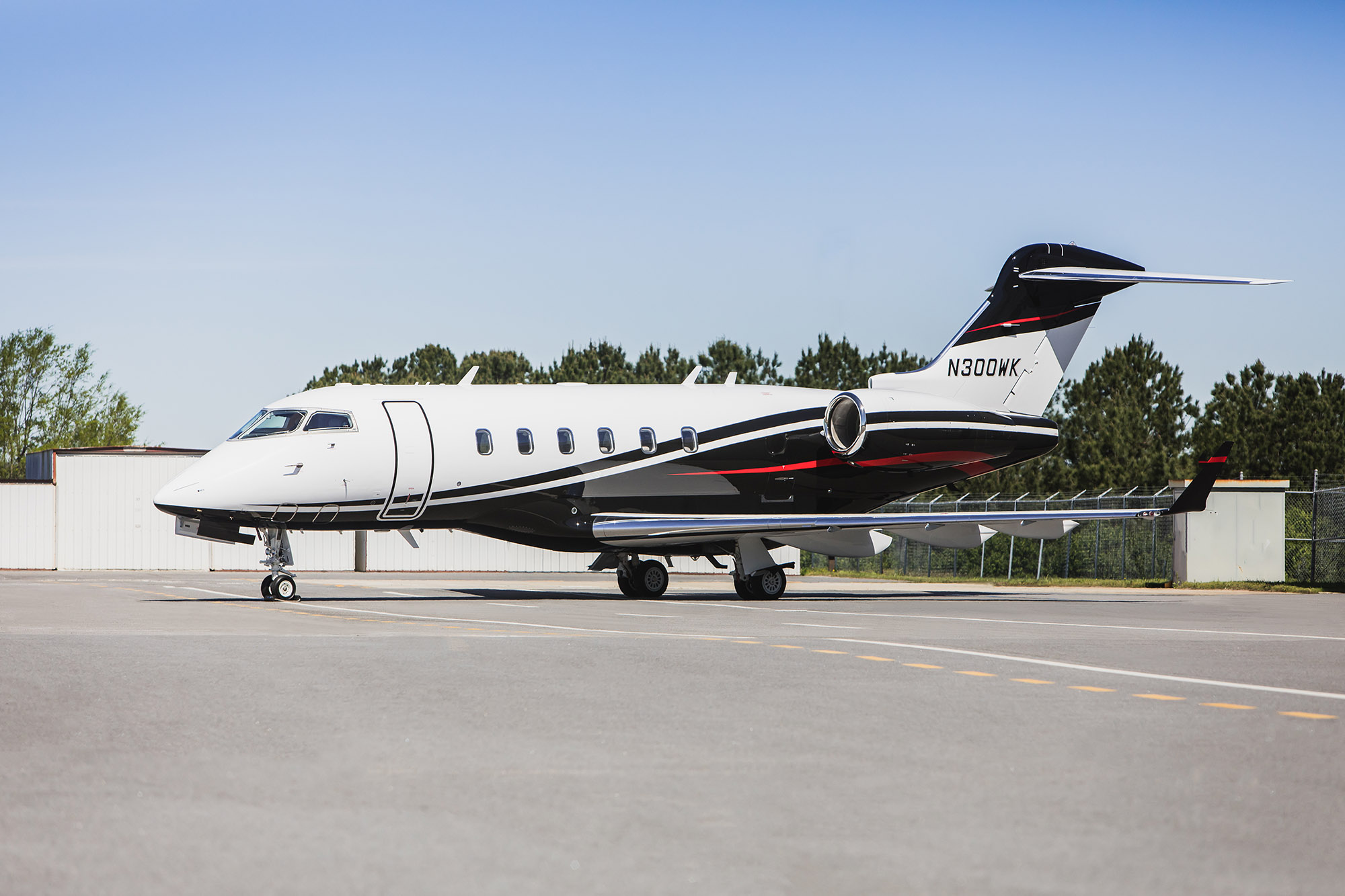
| N300WK Aircraft Registration |
| Seats |
|---|
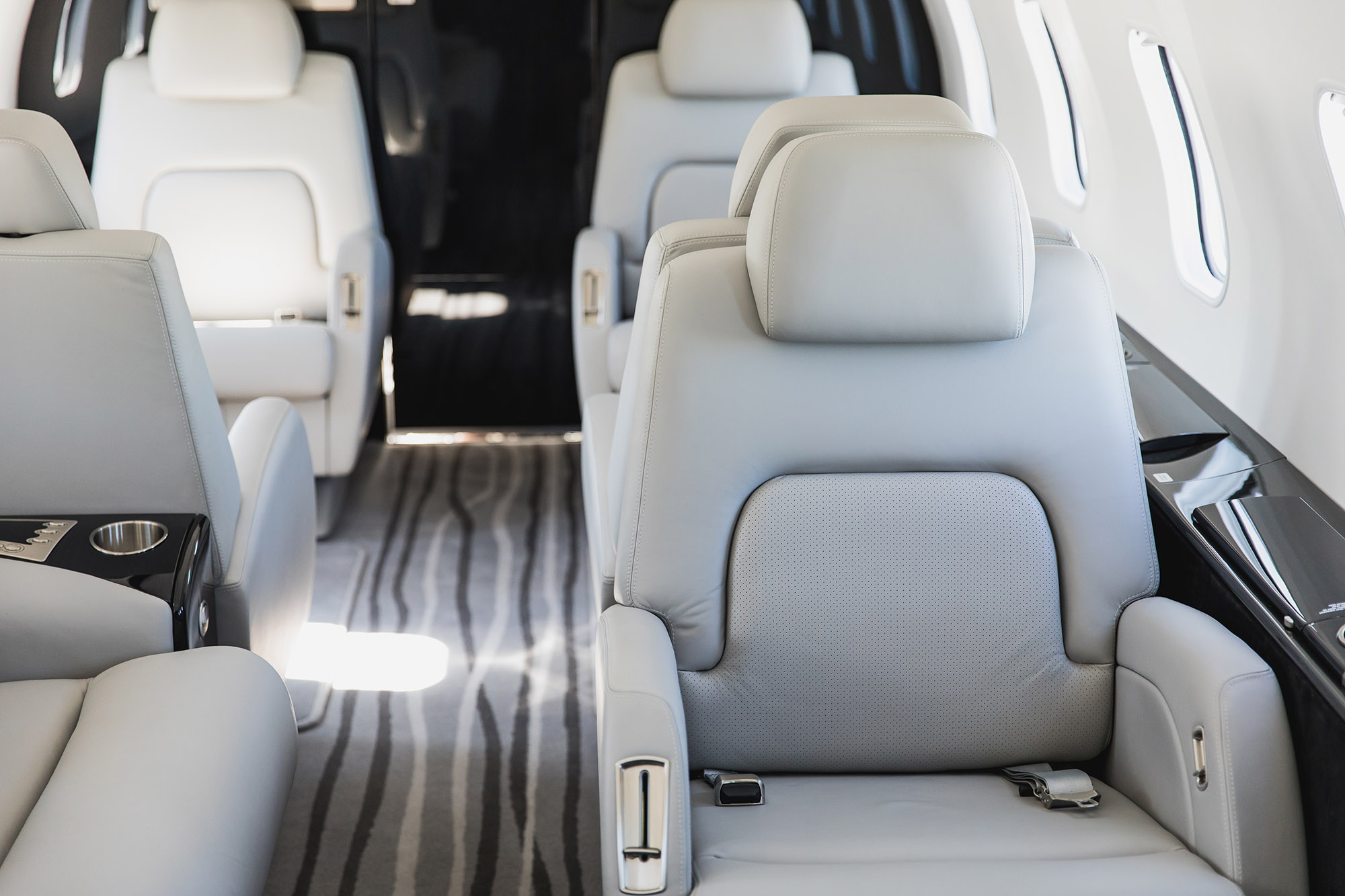
| 8 PAX 9th Belted Lav |
| Range |
|---|
| 3,200 NM Transcontinental Reach |
| Wifi/Phone |
|---|
| GOGO Speed WiFi Aircell Connectivity |
| Entertainment |
|---|
| Airshow DVD-CD Player |
| Luggage |
|---|
| 106 Cubic Feet Accessible Storage |
| Lavatory |
|---|
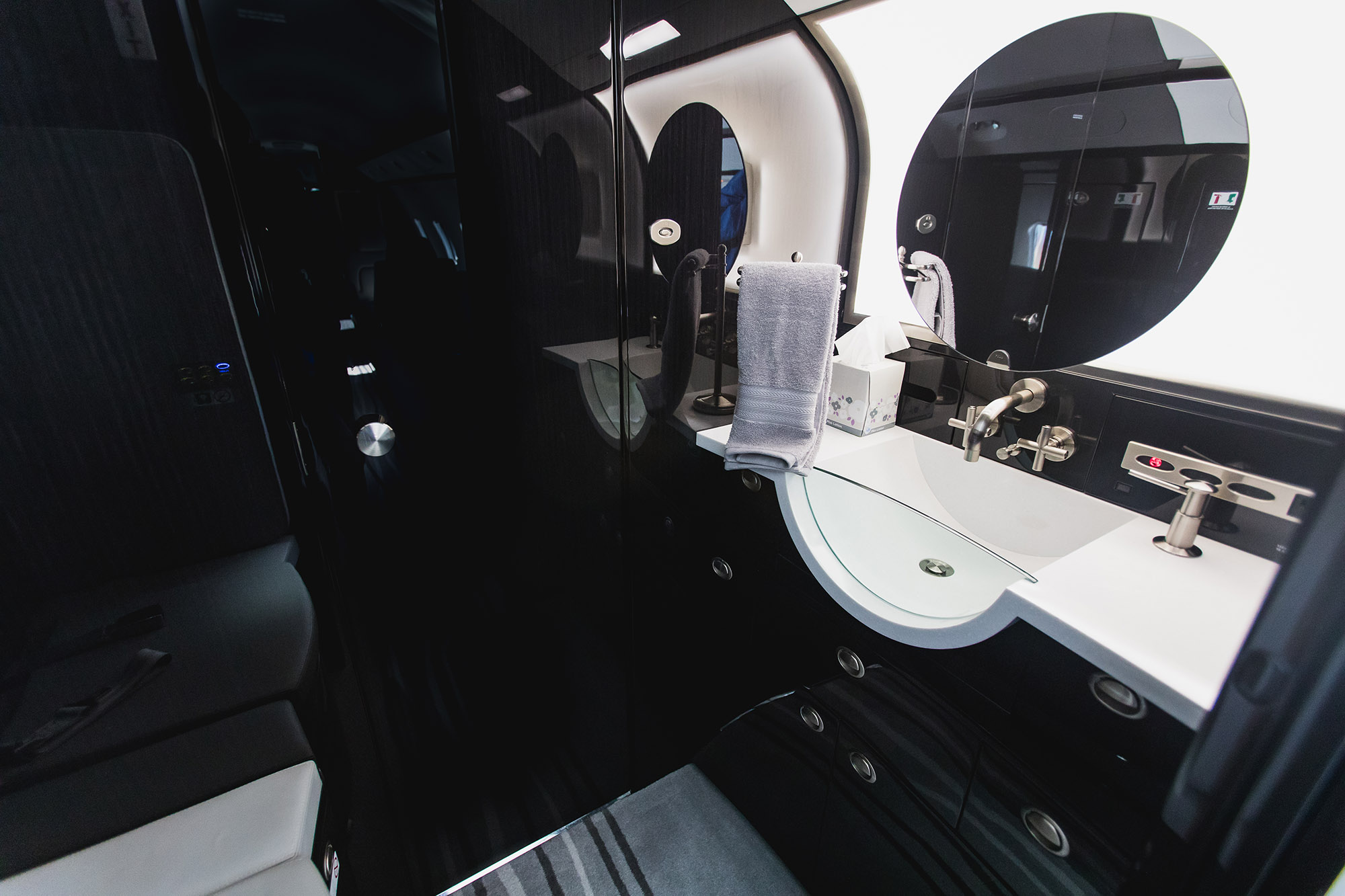
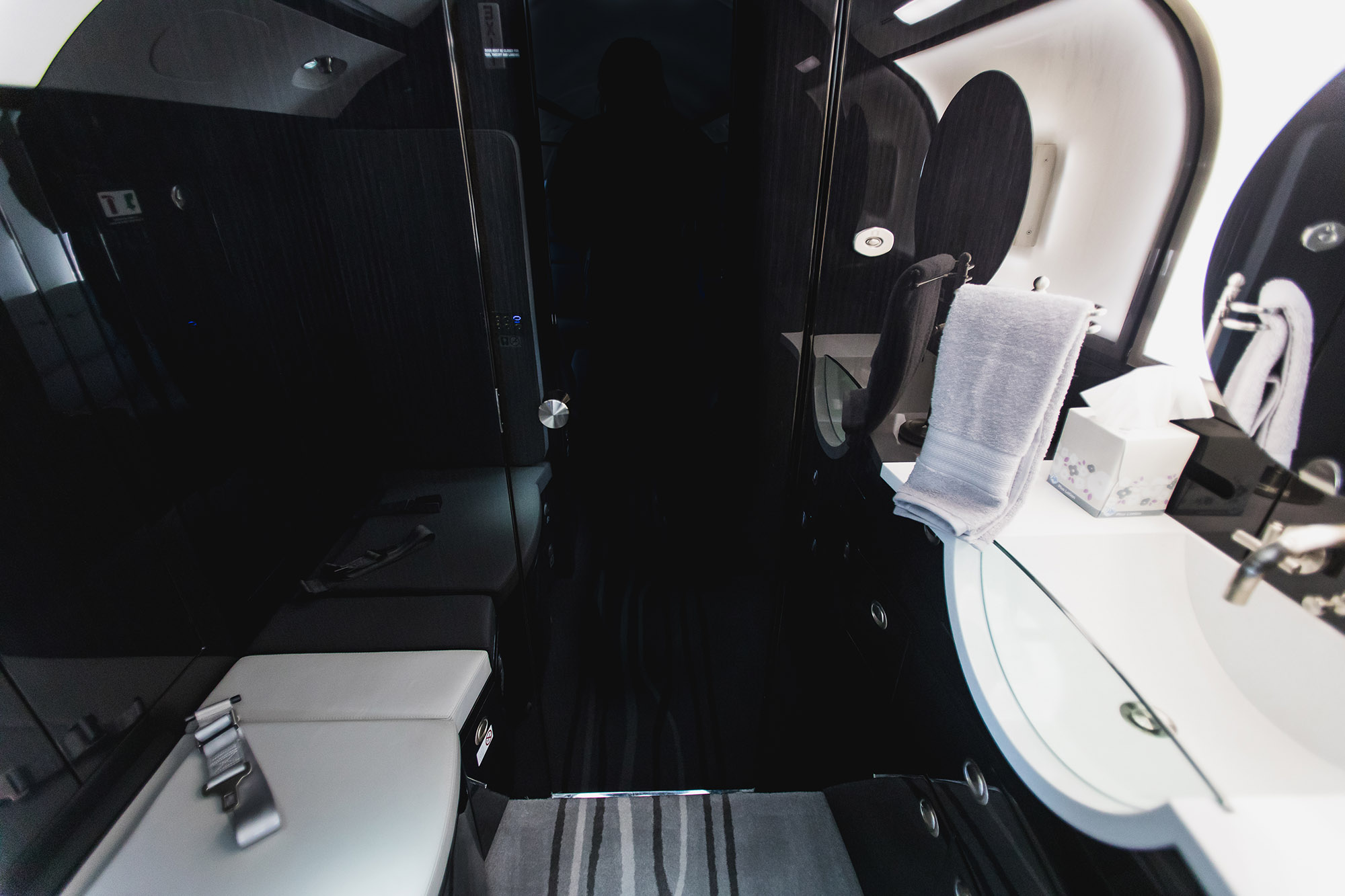
| Private Lavatory Stand-Up Vanity |
| Cabin Width |
|---|
| 7 ft 2 in Wide Cabin Comfort |
| Cabin Length |
|---|
| 25 ft 2 in Super Midsize Cabin |
| Cabin Height |
|---|
| 6 ft 1 in Full Standing Height |
View the Bombardier Challenger 300 – N300WK


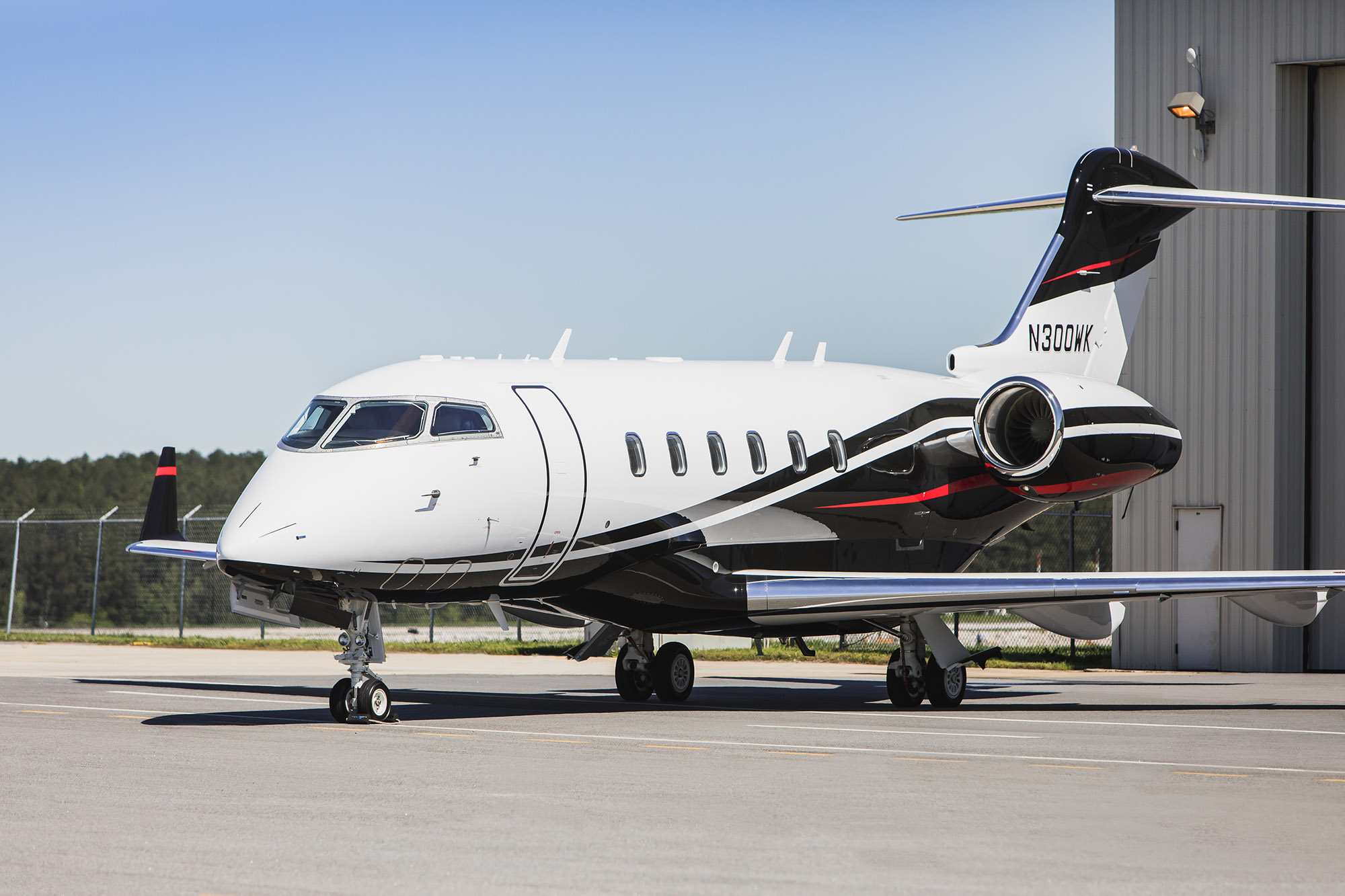
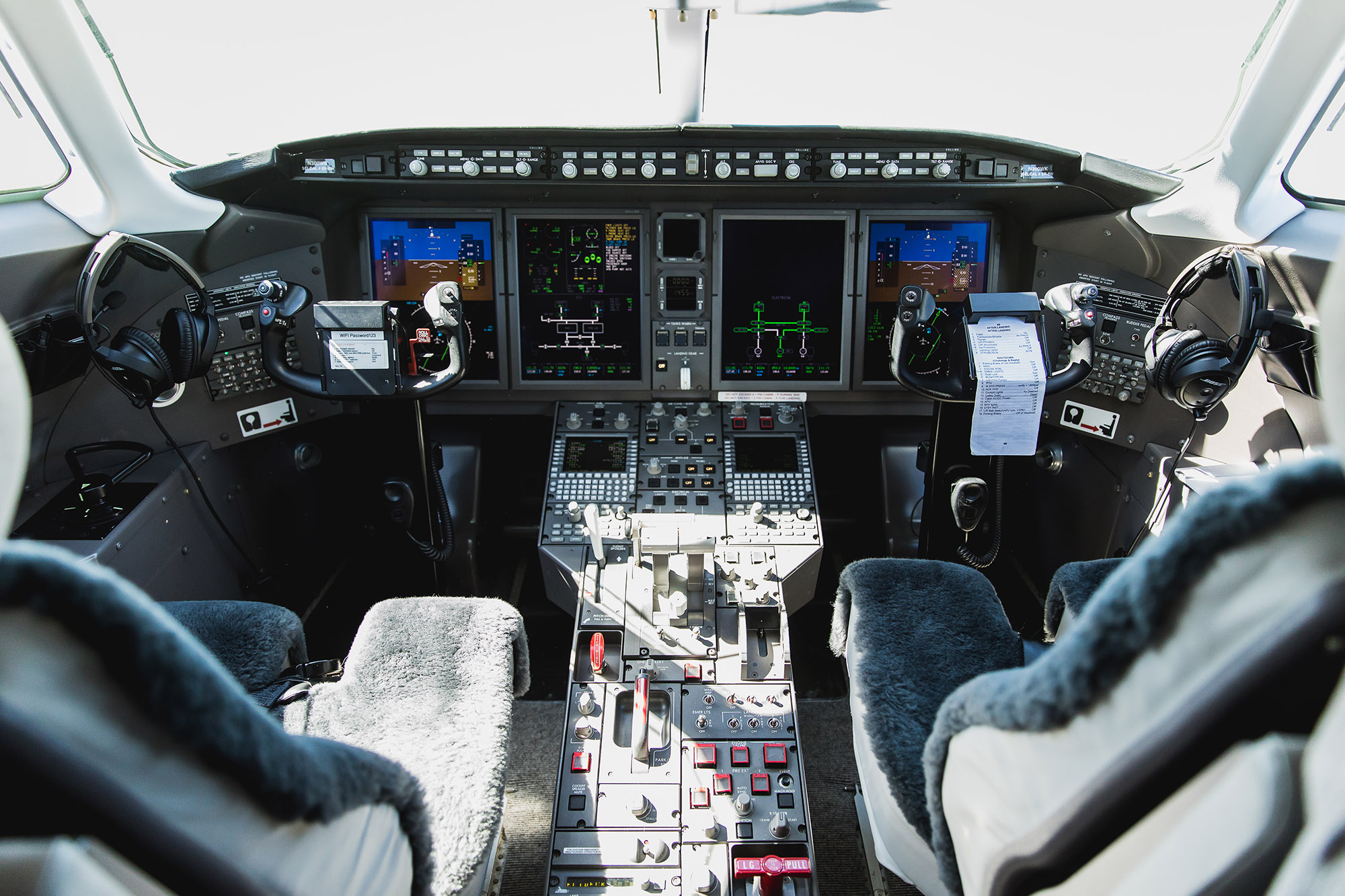


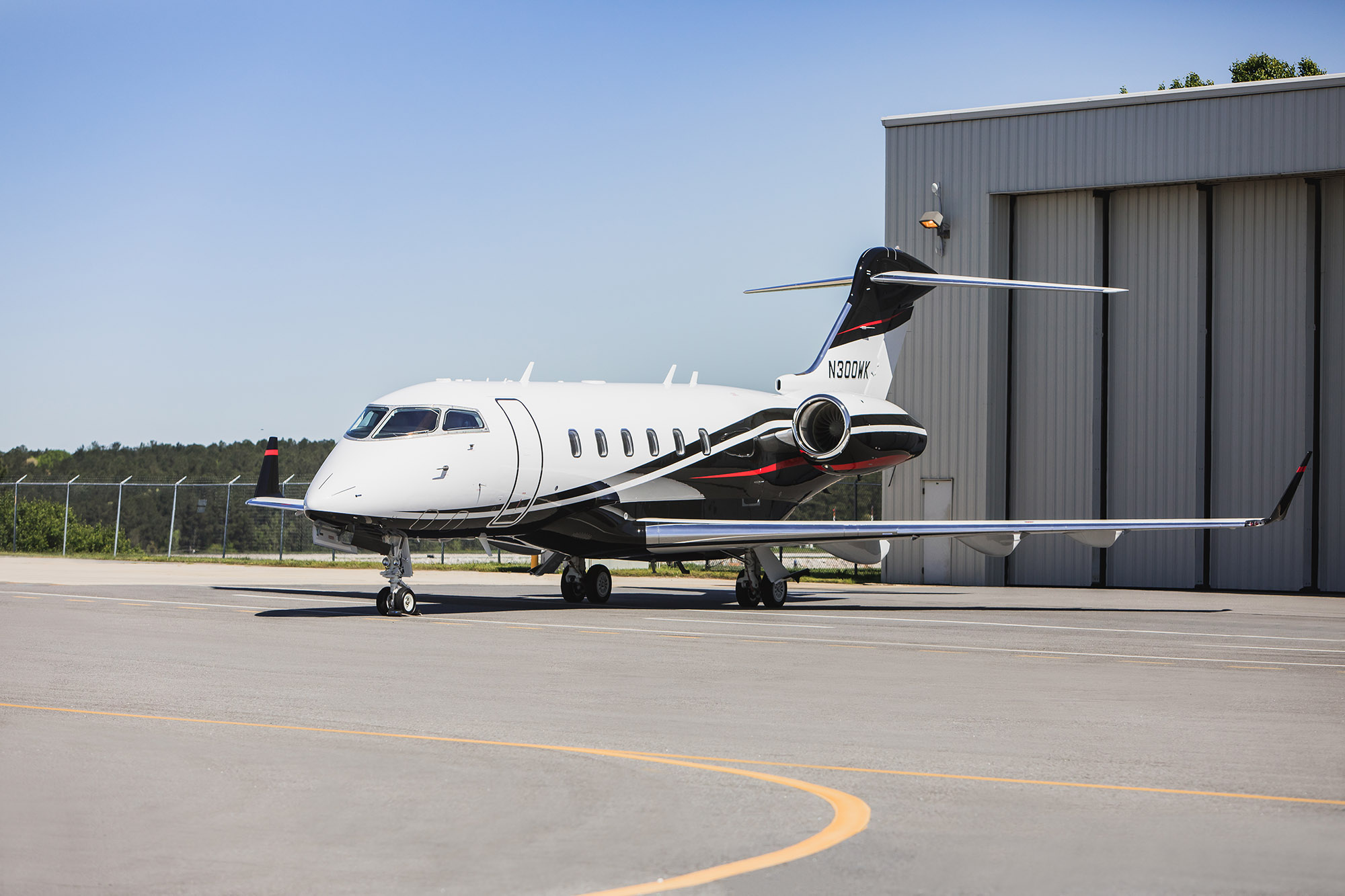


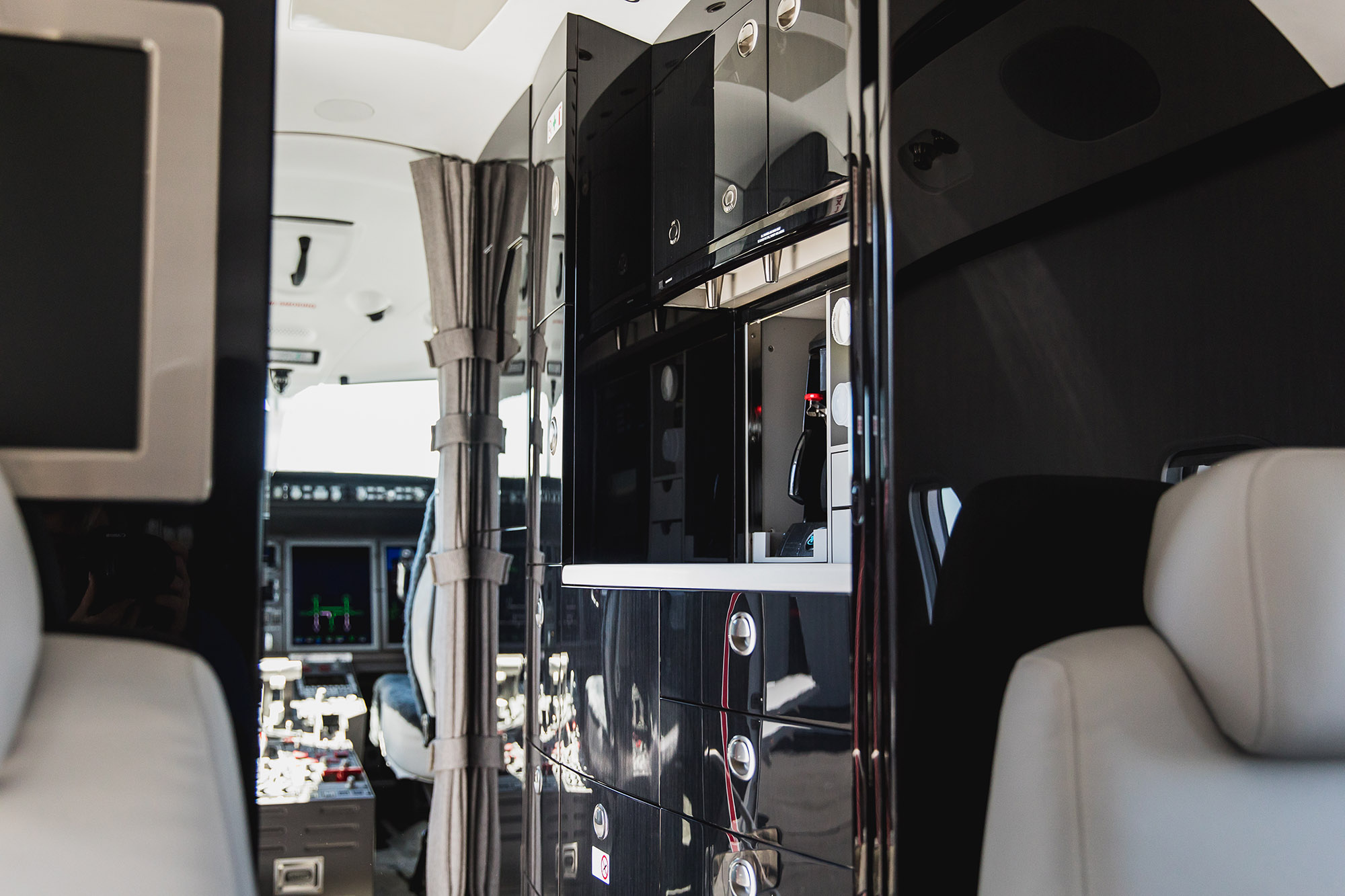




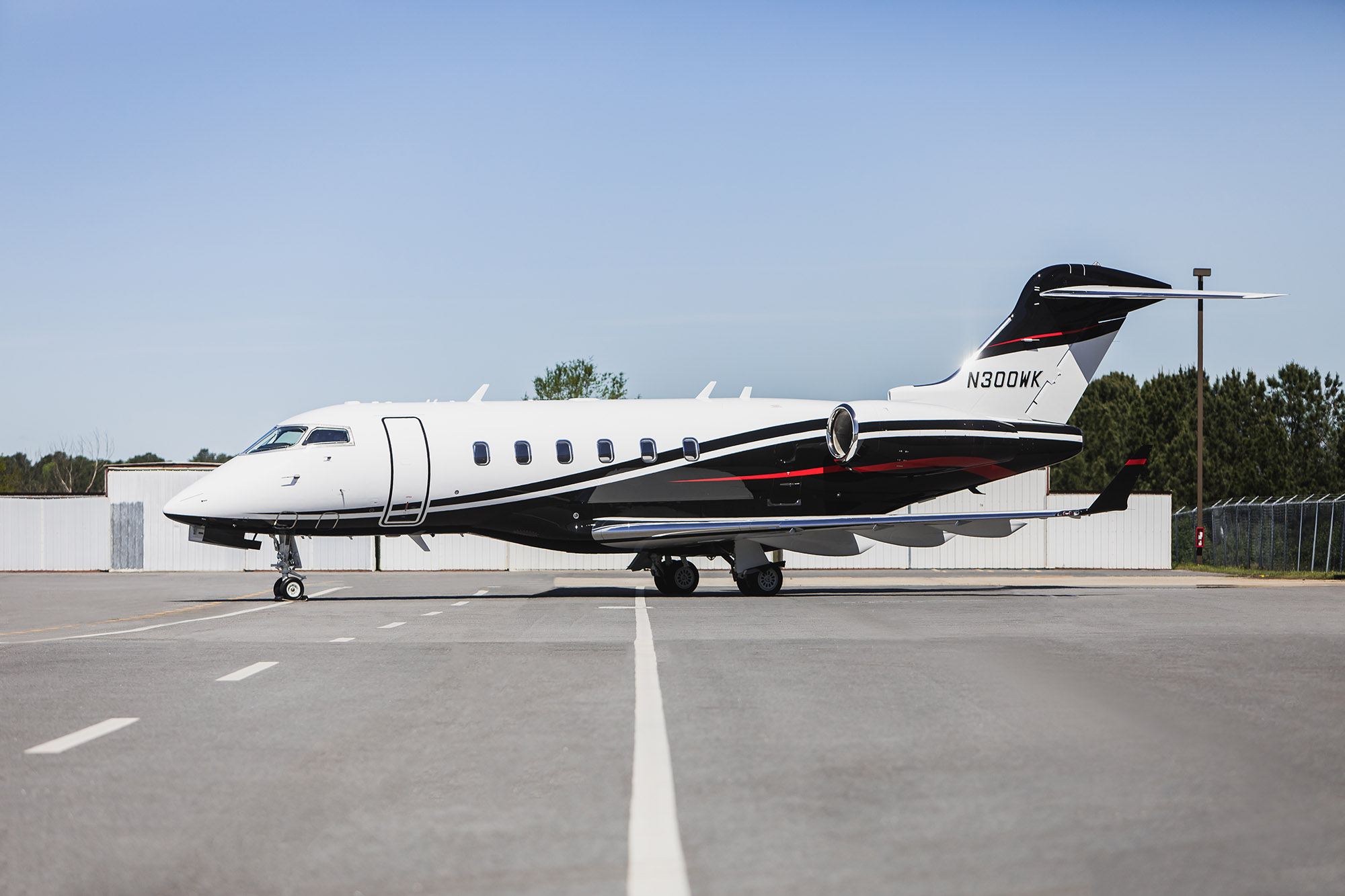
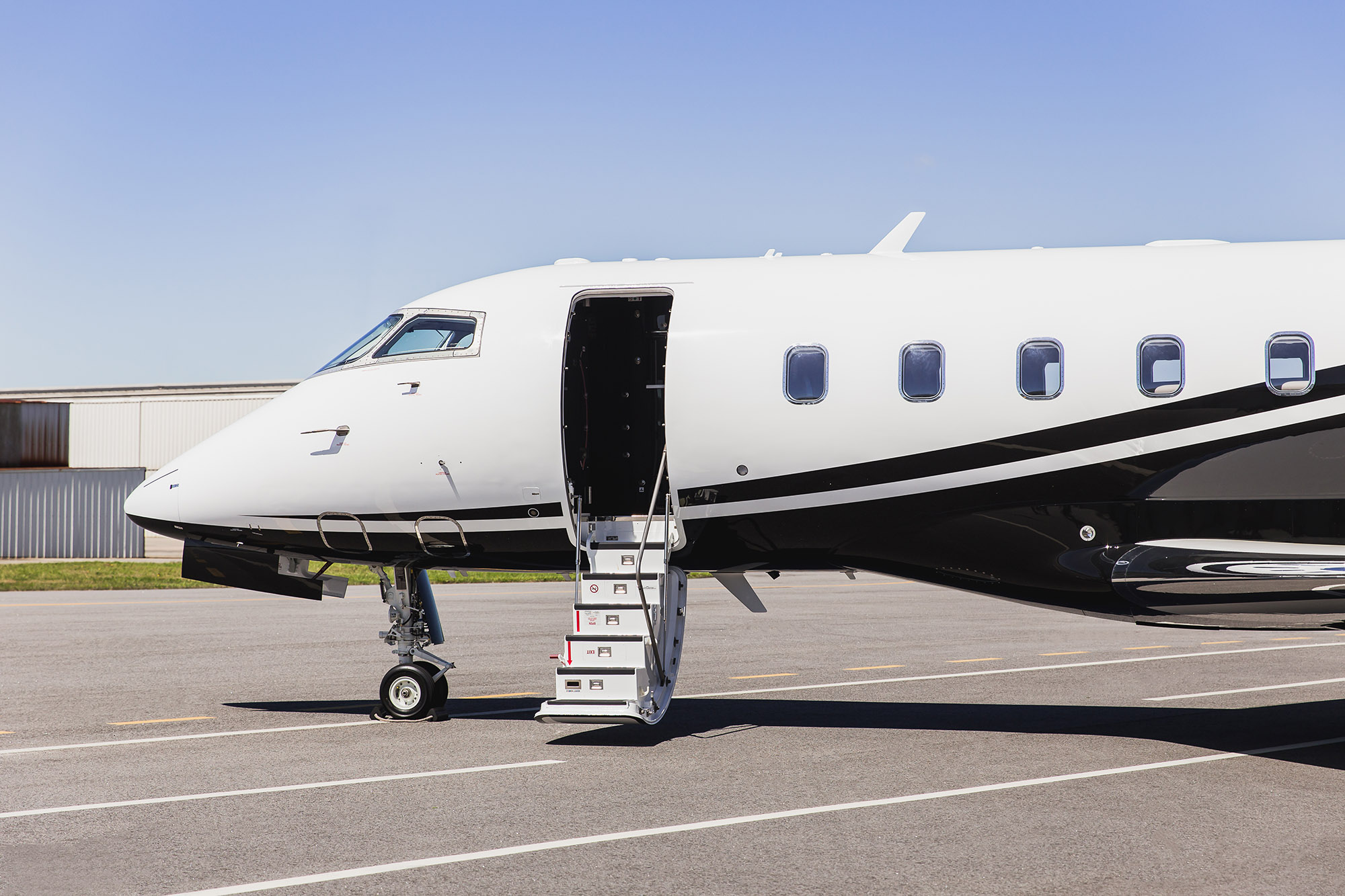
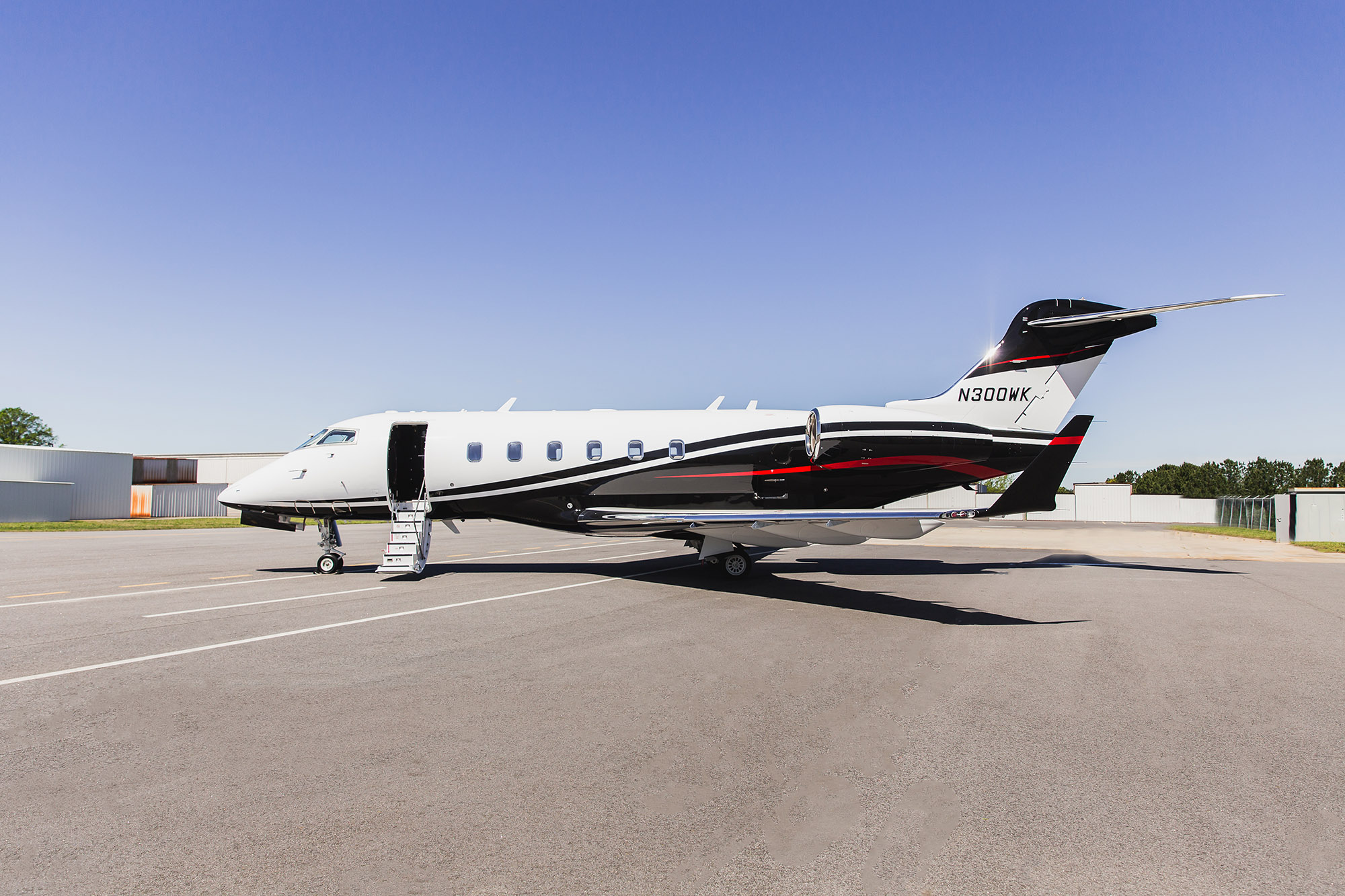


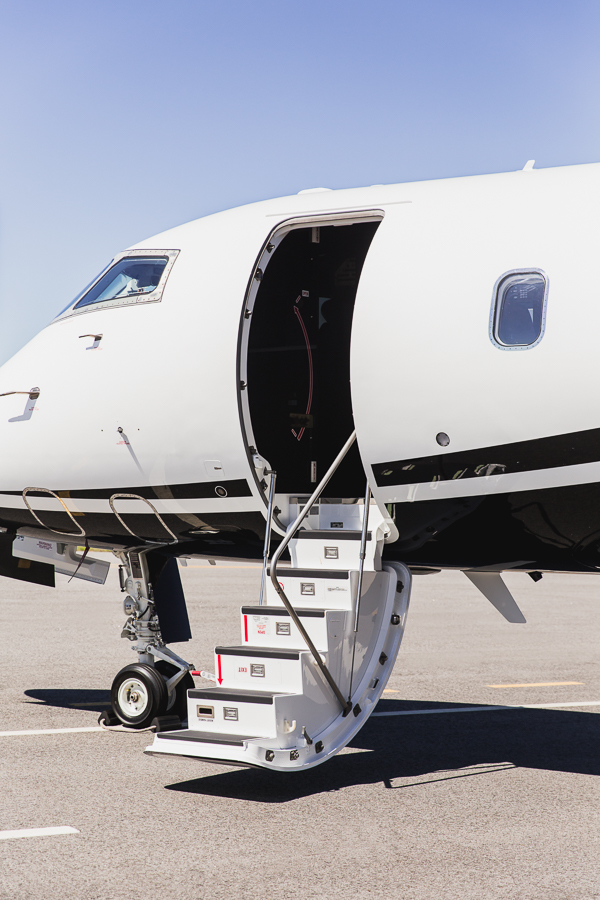
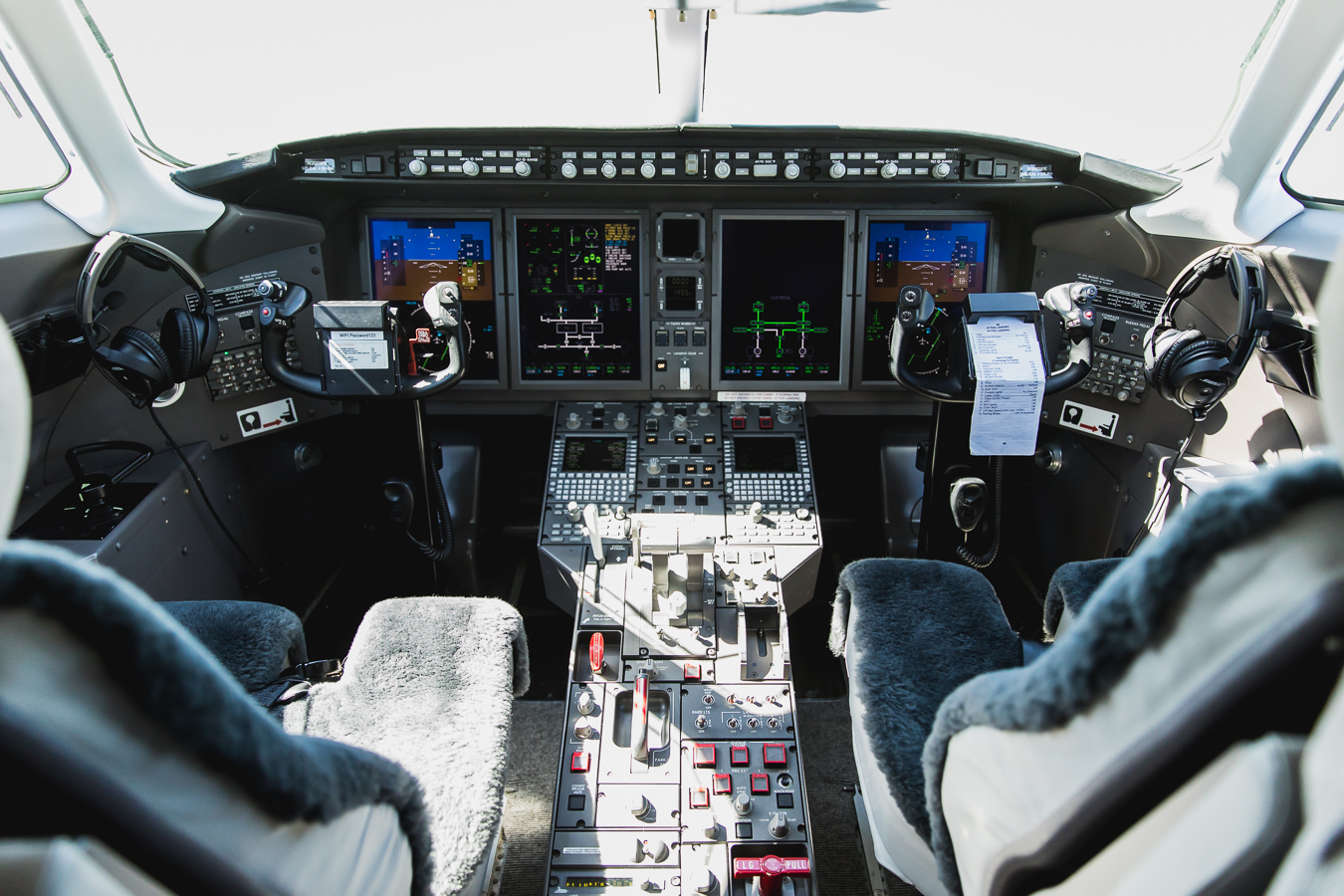
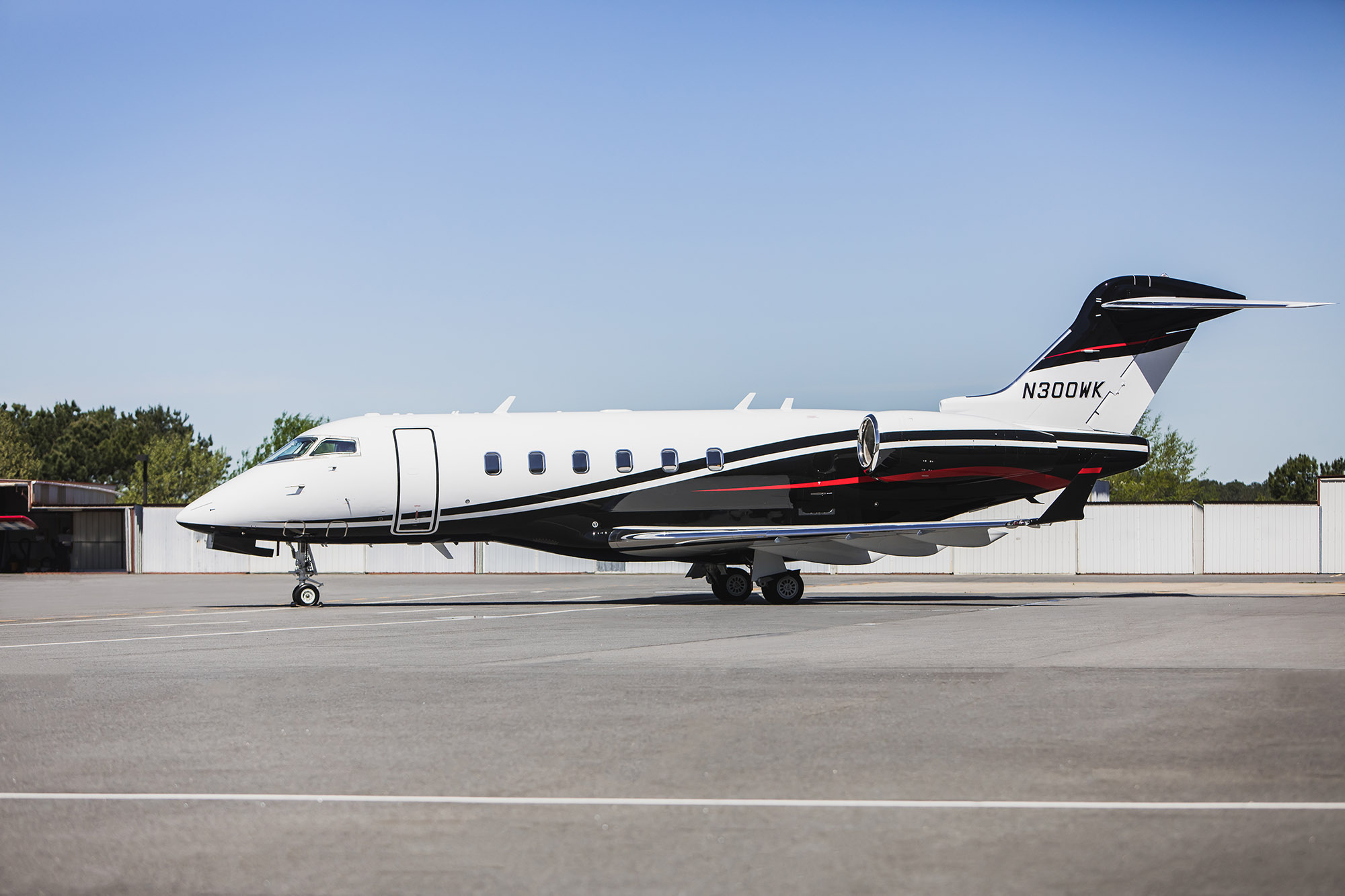
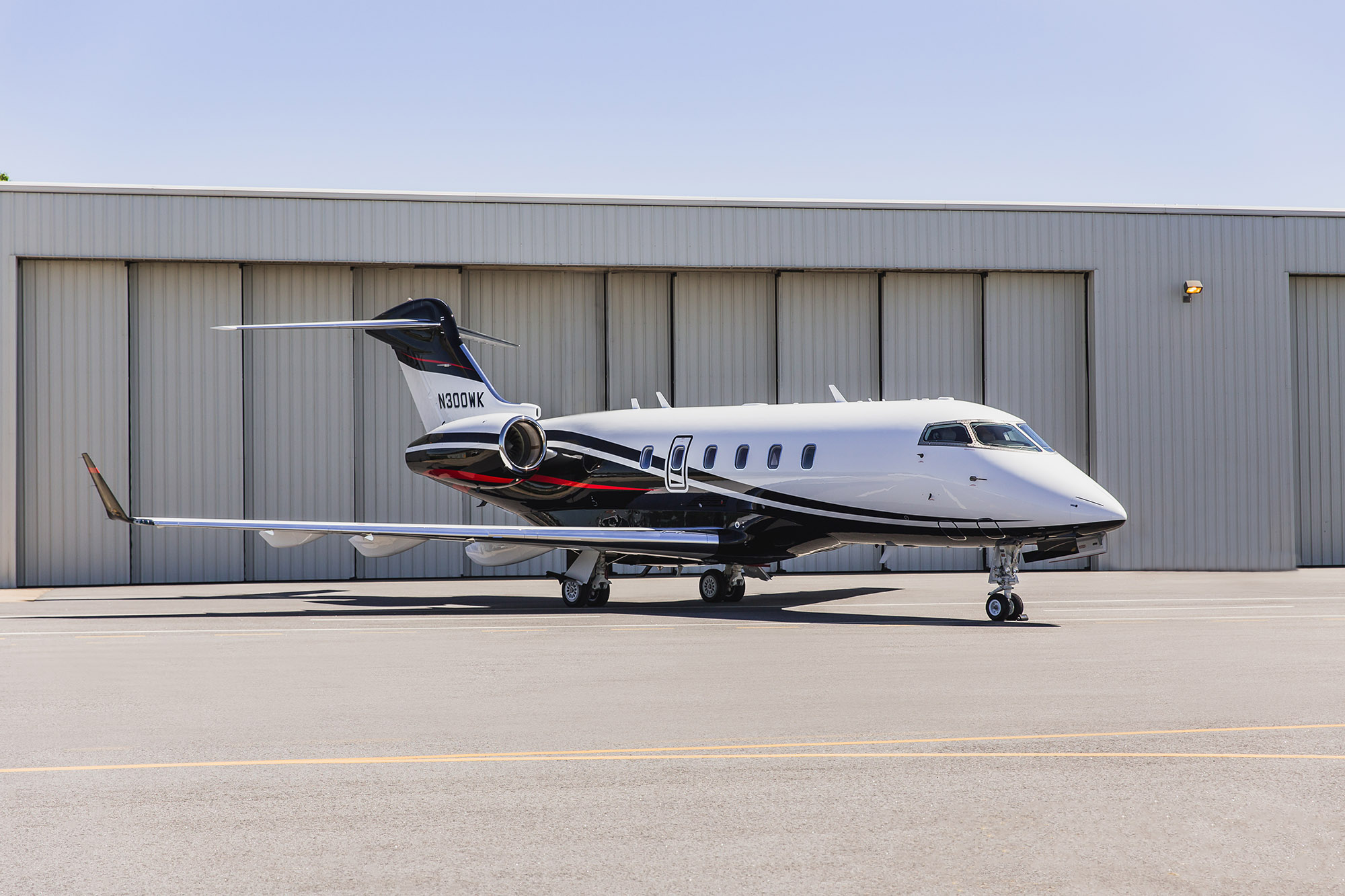
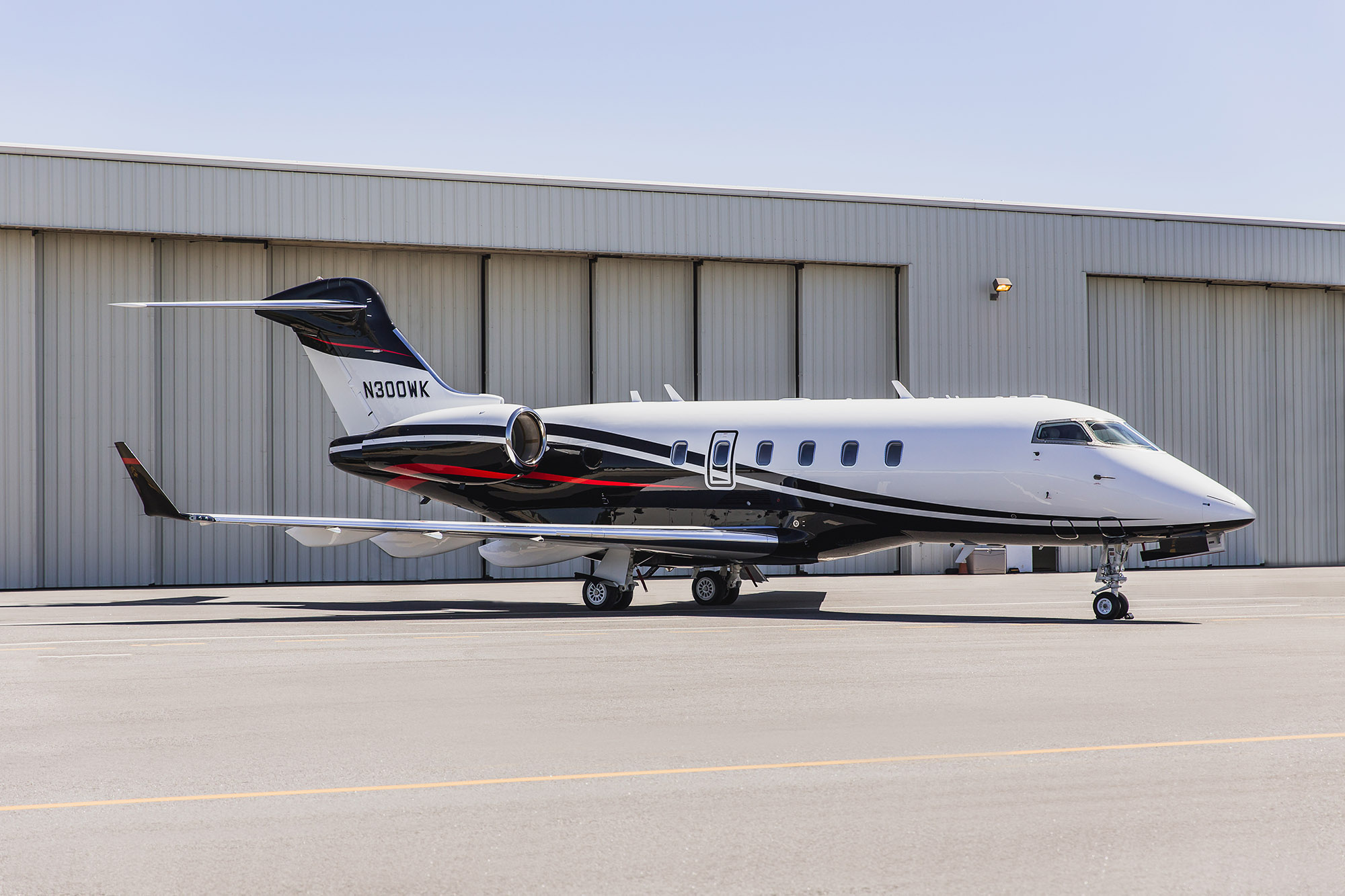
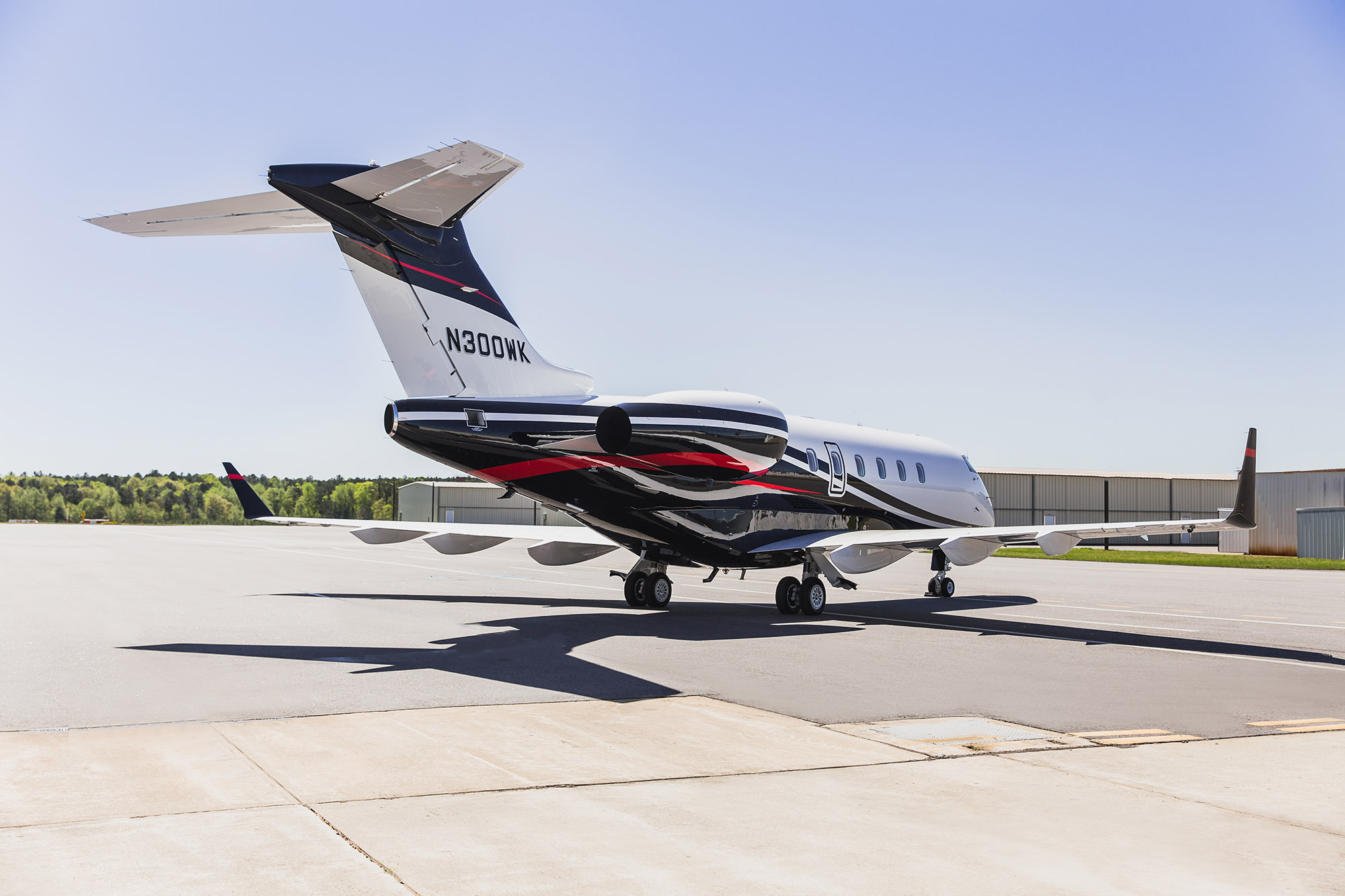
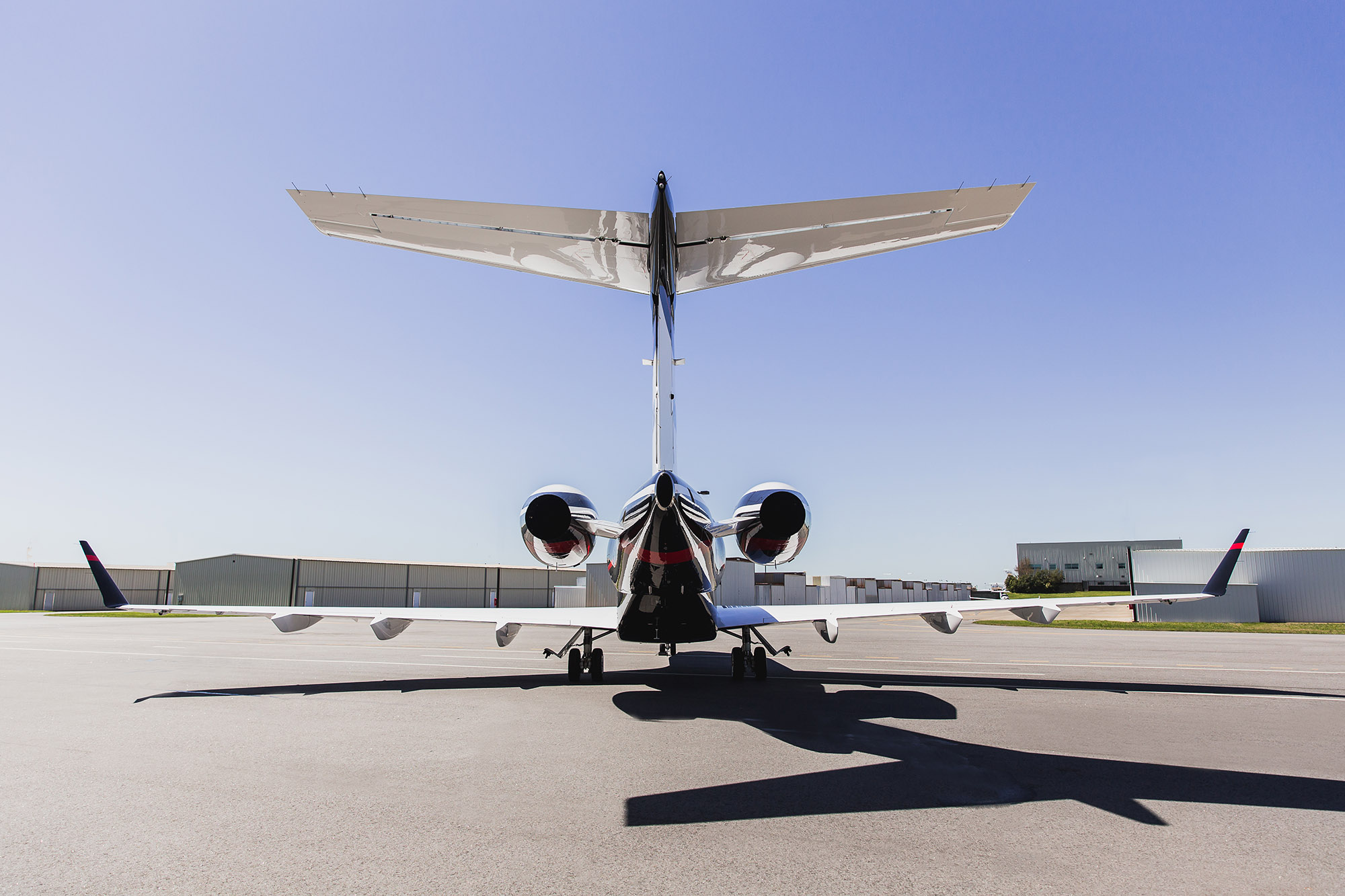

N300WK and the Challenges of Multi-City Executive Travel
The Bombardier Challenger 300 – N300WK serves a unique role within Flight Group Corporation’s managed fleet by supporting travel schedules that extend beyond traditional point-to-point transportation. Many executive teams, ownership groups, consultants, investors, and project leaders rarely travel to a single destination and return home. Instead, they often move between multiple cities, facilities, clients, projects, and meetings within a compressed timeframe where efficiency becomes critical.
Managing these schedules through commercial airline networks can introduce delays, overnight stays, connection risks, and routing limitations that reduce productivity. N300WK provides an alternative approach by allowing travel to be structured around business priorities rather than available airline schedules. This flexibility allows organizations to maximize time spent with clients, stakeholders, facilities, and project teams while minimizing time lost to transportation logistics.
As part of Flight Group Corporation’s super midsize fleet, N300WK supports travelers whose responsibilities span multiple markets and whose schedules require adaptability throughout the course of a trip.
The Bombardier Challenger 300 Platform Built for Schedule Control
The Challenger 300 remains one of the most successful super midsize aircraft ever introduced because it delivers a balance of range, cabin space, airport accessibility, and operational efficiency. N300WK utilizes these strengths to support travelers whose schedules frequently evolve before, during, and after departure.
Changes to meeting times, additional stops, project delays, weather conditions, and evolving business opportunities are all realities of modern executive travel. The ability to adapt transportation around those changes can significantly impact overall productivity and schedule continuity.
Key advantages include:
- Approximately 3,200 nautical miles of range
- Nonstop access between major business markets
- Flexible routing capabilities
- Efficient support for multi-leg itineraries
- Access to thousands of public and private airports
- Cabin space designed for extended travel days
Rather than forcing schedules to conform to transportation limitations, N300WK supports a more flexible travel strategy that aligns with real-world business requirements.
Many travel schedules are established months in advance, but business realities rarely remain static. Additional meetings may be added, project timelines may shift, weather conditions may affect routing, and opportunities may emerge that require immediate attention. N300WK supports these changing circumstances by providing the flexibility necessary to adjust travel plans without completely restructuring the itinerary.
This adaptability often becomes one of the most valuable aspects of private aviation for organizations whose priorities can change quickly. The ability to respond to evolving requirements while maintaining continuity throughout the trip helps preserve both time and operational efficiency.
How N300WK Reduces Travel Friction Across Multiple Markets
Travel inefficiencies often accumulate over the course of a trip. A delayed connection may impact a meeting. An overnight stay may extend a project timeline. Limited routing options may require additional ground transportation. These challenges become more significant when multiple destinations are involved.
N300WK helps reduce these obstacles by supporting direct travel between markets while maintaining schedule flexibility. For organizations operating across several states or regions, the aircraft can serve as a transportation platform that helps preserve continuity throughout the trip.
This becomes particularly valuable when supporting:
- Executive leadership travel
- Regional office visits
- Acquisition and investment reviews
- Client-facing meetings
- Facility inspections
- Project oversight
- Strategic planning initiatives
The ability to move efficiently between destinations allows travelers to focus more on outcomes and less on transportation logistics.
N300WK and the Realities of Executive Roadshows
Many business initiatives require travel schedules that extend well beyond a single destination. Investor meetings, acquisition reviews, client presentations, regional leadership meetings, facility tours, and business development efforts often involve multiple cities within a matter of days. Coordinating these schedules through traditional airline networks can quickly become challenging as delays, limited routing options, and overnight stays begin to affect productivity.
N300WK is particularly well suited for these travel profiles because it allows transportation planning to remain aligned with business objectives rather than commercial schedules. Executives can move between destinations more efficiently while maintaining flexibility as priorities evolve throughout the trip.
For organizations managing growth initiatives, regional operations, mergers and acquisitions, or ongoing client relationships, the ability to maintain momentum across multiple destinations often becomes as important as the meetings themselves. The aircraft supports this style of travel by reducing unnecessary interruptions while preserving valuable time throughout the itinerary.
Challenger 300 Cabin Functionality for Long Business Days
A productive travel day often extends beyond a single meeting or destination. The cabin environment aboard N300WK was designed to support travelers who remain engaged throughout the journey.
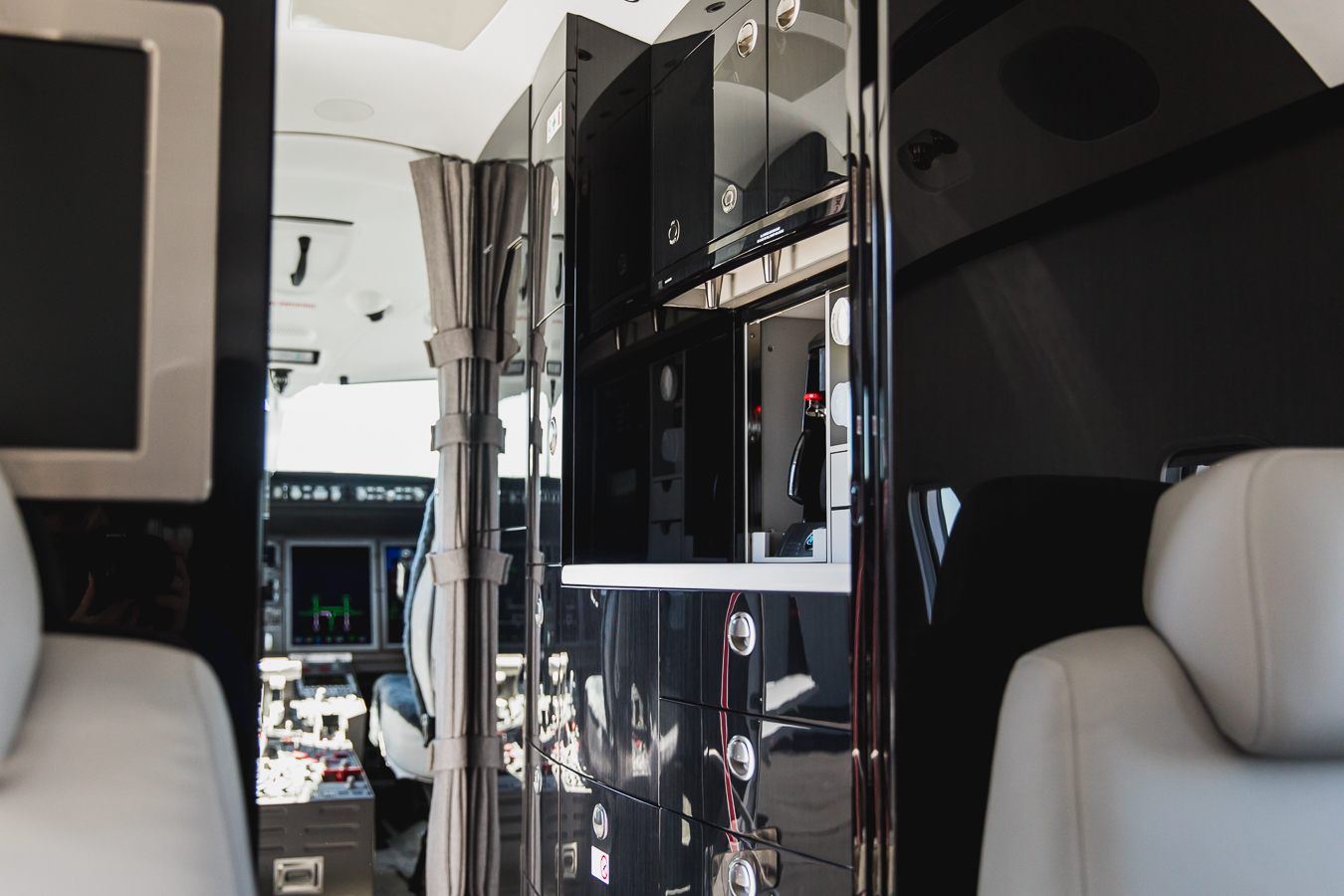
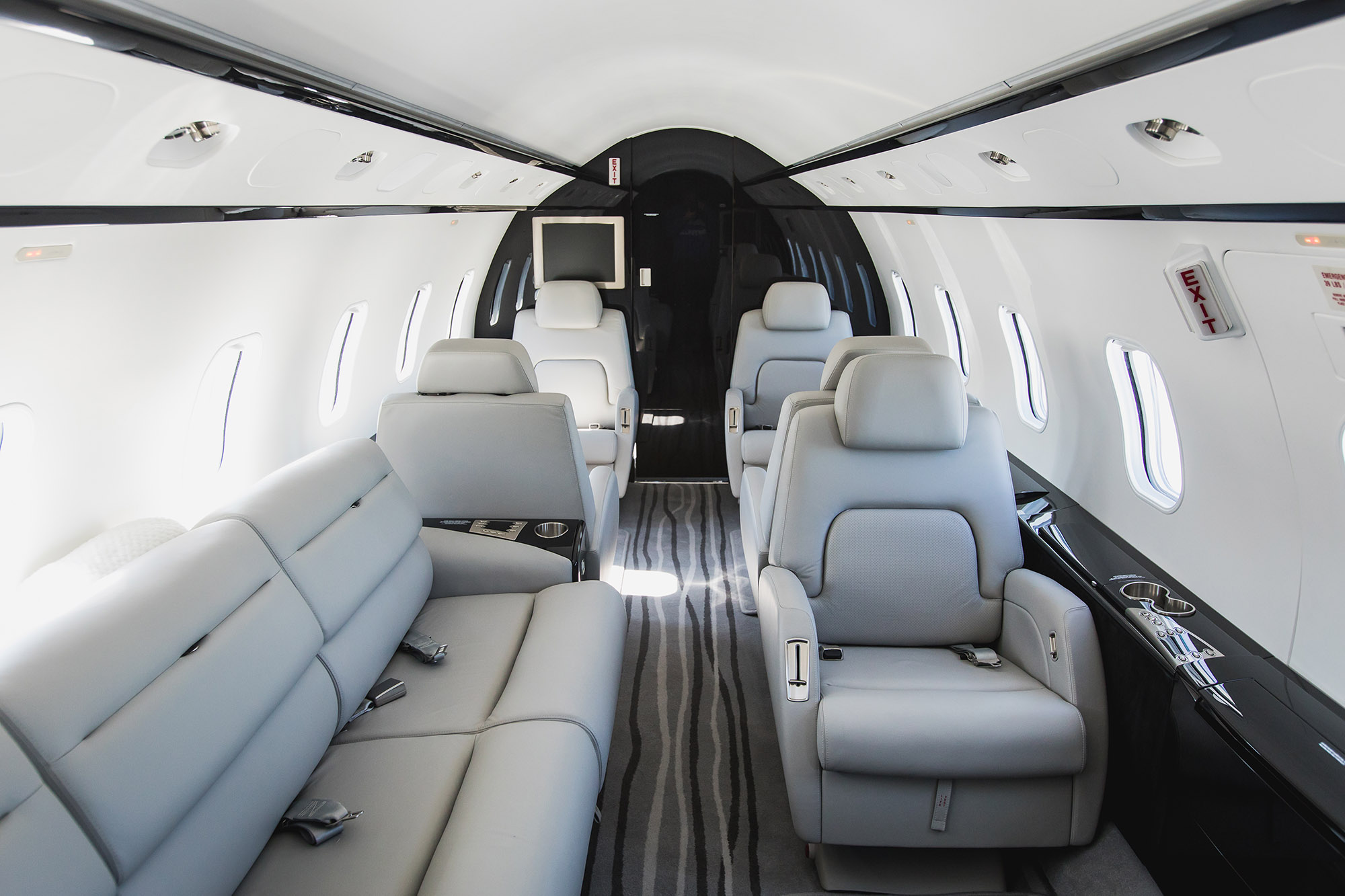
The aircraft’s stand-up cabin allows passengers to move comfortably throughout the flight while maintaining access to work materials, personal belongings, and inflight connectivity. The spacious cabin environment supports conversations, planning sessions, document reviews, and preparation for upcoming meetings.
Cabin highlights include:
- Full standing cabin height
- Spacious executive seating
- Inflight accessible baggage capacity
- GOGO high-speed WiFi
- Aircell phone capability
- Airshow flight information system
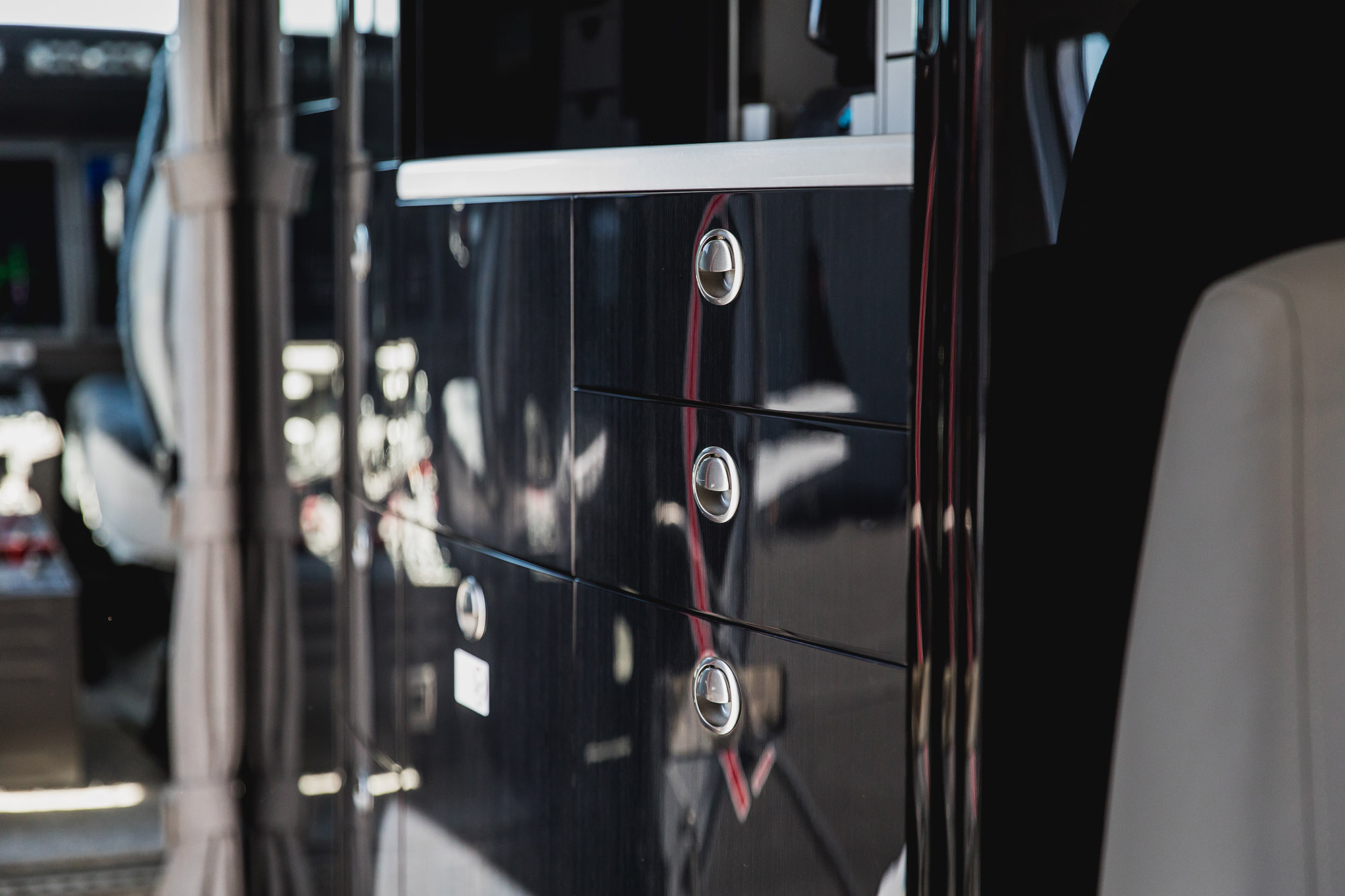
- Private stand-up lavatory with vanity
- Cabin dimensions designed for longer missions
The result is an environment that supports both productivity and comfort throughout demanding travel schedules.
The aircraft is frequently utilized during travel days that begin early and conclude late. Maintaining a comfortable and functional environment throughout these longer schedules becomes increasingly important as the number of destinations and commitments increases. N300WK provides passengers with the space necessary to transition between meetings, review materials, coordinate with teams, and prepare for upcoming engagements without feeling disconnected from ongoing responsibilities.
For many travelers, the aircraft becomes an extension of the workday itself. This continuity allows productivity to continue between destinations while reducing the disruptions commonly associated with traditional travel.

N300WK Performance for Consecutive Meetings, Site Visits, and Client Engagements
Many organizations require direct access to multiple facilities, clients, and project locations throughout the year. N300WK supports these travel requirements by combining transcontinental range with operational flexibility that accommodates evolving schedules.
The aircraft is particularly well suited for travelers whose responsibilities include direct engagement with projects, facilities, stakeholders, and operational teams. Rather than dedicating additional days to transportation, travelers can often accomplish more within a single trip.
Common travel profiles include:
- Ownership group travel
- Board-level meetings
- Manufacturing oversight
- Construction and development reviews
- Healthcare administration
- Professional services consulting
- Regional business development
- Investor and stakeholder engagement
This flexibility allows organizations to maintain stronger connections between leadership, projects, and opportunities.
Airport Access Advantages Delivered by the Challenger 300
One of the most valuable advantages of private aviation is access to a significantly larger airport network. While airline schedules concentrate on major commercial hubs, N300WK can operate into a broad range of public and private airports throughout North America.
This expanded accessibility often reduces overall travel time by minimizing layovers, reducing ground transportation requirements, and allowing travelers to arrive closer to the final destination.
Airport access benefits may include:
- Regional executive airports
- Secondary business markets
- Manufacturing corridors
- Industrial and logistics centers
- Resort destinations
- Healthcare campuses
- Private aviation facilities
- Regional project locations
For organizations operating across diverse markets, airport accessibility often creates efficiencies that extend well beyond the flight itself.
Multi-city itineraries frequently involve destinations that are not efficiently connected through commercial airline routes. Regional business centers, manufacturing facilities, industrial operations, healthcare campuses, and project sites often require extensive ground transportation when accessed through larger airline hubs. N300WK helps reduce these inefficiencies by providing access to a broader network of airports located closer to the actual destination.
This accessibility becomes increasingly valuable as the number of stops increases. Even modest reductions in travel time at each destination can create meaningful improvements across the entire itinerary.
Within the fleet, N300WK often aligns particularly well with travelers whose priorities revolve around schedule management rather than a single destination. Its combination of range, airport flexibility, cabin comfort, and operational efficiency allows it to support complex itineraries without introducing unnecessary complexity. This ability to adapt to evolving schedules helps distinguish the aircraft within Flight Group Corporation’s super midsize fleet and contributes to its continued value across a broad range of mission profiles.
Supporting Executive Mobility Through the N300WK Platform
Executive travel frequently requires balancing flexibility, efficiency, and responsiveness. N300WK supports these objectives through a platform capable of adapting to changing requirements while maintaining passenger comfort and operational consistency.
Whether the mission involves a single destination or several cities over multiple days, the aircraft supports travel profiles that demand reliability and flexibility. The Challenger 300’s proven track record throughout business aviation continues to make it a preferred aircraft for organizations that value schedule control and direct access.
Its ability to support evolving travel requirements remains one of the primary reasons the aircraft continues to be widely utilized throughout the super midsize category.
N300WK's Role Within Flight Group Corporation's Super Midsize Fleet
Within Flight Group Corporation’s managed fleet, N300WK serves as a resource for travelers whose schedules require adaptability and direct access across multiple destinations. The aircraft’s combination of range, cabin functionality, airport accessibility, and operational flexibility allows it to support a broad range of mission profiles while maintaining efficiency.
Its role extends beyond transportation alone. N300WK supports organizations and individuals who depend on consistent mobility to maintain business relationships, oversee projects, evaluate opportunities, and remain engaged across multiple markets.
The aircraft’s continued presence within the fleet reflects the enduring value of the Challenger 300 platform and its ability to support modern executive travel requirements.
Operational Support Behind Every N300WK Mission
Successful missions depend on more than aircraft performance. Maintenance planning, crew coordination, operational oversight, compliance tracking, inspection scheduling, records management, and vendor coordination all contribute to aircraft readiness.
Within Flight Group Corporation’s management structure, N300WK benefits from ongoing attention designed to support operational consistency and long-term aircraft stewardship. These efforts help maintain readiness while supporting future mission requirements.
Areas of oversight include:
- Maintenance planning
- Inspection management
- Aircraft records oversight
- Crew support
- Vendor coordination
- Compliance monitoring
- Operational documentation
- Long-term aircraft preservation
This structured approach contributes to the consistency and reliability expected from a professionally managed aircraft.

Mission Planning for Bombardier Challenger 300 N300WK
Every itinerary presents a different combination of destinations, passenger requirements, scheduling priorities, airport considerations, and operational objectives. Understanding these details helps determine how N300WK may support the travel profile being considered.
Multi-city itineraries often require coordination across multiple airports, destinations, schedules, and operational requirements. Evaluating these details early helps align travel planning with broader business objectives while minimizing unnecessary complexity.
For organizations evaluating executive transportation, ownership travel, project oversight, or future scheduling requirements, N300WK provides a versatile super midsize platform capable of supporting a wide range of travel needs throughout North America.
Discuss Bombardier Challenger 300 N300WK Availability
Flight Group Corporation reviews each inquiry based on the specific mission requirements, scheduling objectives, passenger considerations, and operational priorities involved. Discussions may include aircraft availability, destination access, itinerary development, routing considerations, airport selection, passenger accommodations, and travel timelines.
Based at Raleigh–Durham International Airport, Flight Group Corporation supports travelers throughout North Carolina, the Southeast, and a broad network of destinations extending across the United States, Canada, Mexico, and the Caribbean.
N300WK remains one of several aircraft resources within Flight Group Corporation’s managed fleet, providing super midsize capability for travelers who require schedule flexibility, airport accessibility, and efficient transportation across multiple markets. Information submitted through the form below is reviewed by the appropriate team members for follow-up and mission evaluation.


