
| Registration |
|---|
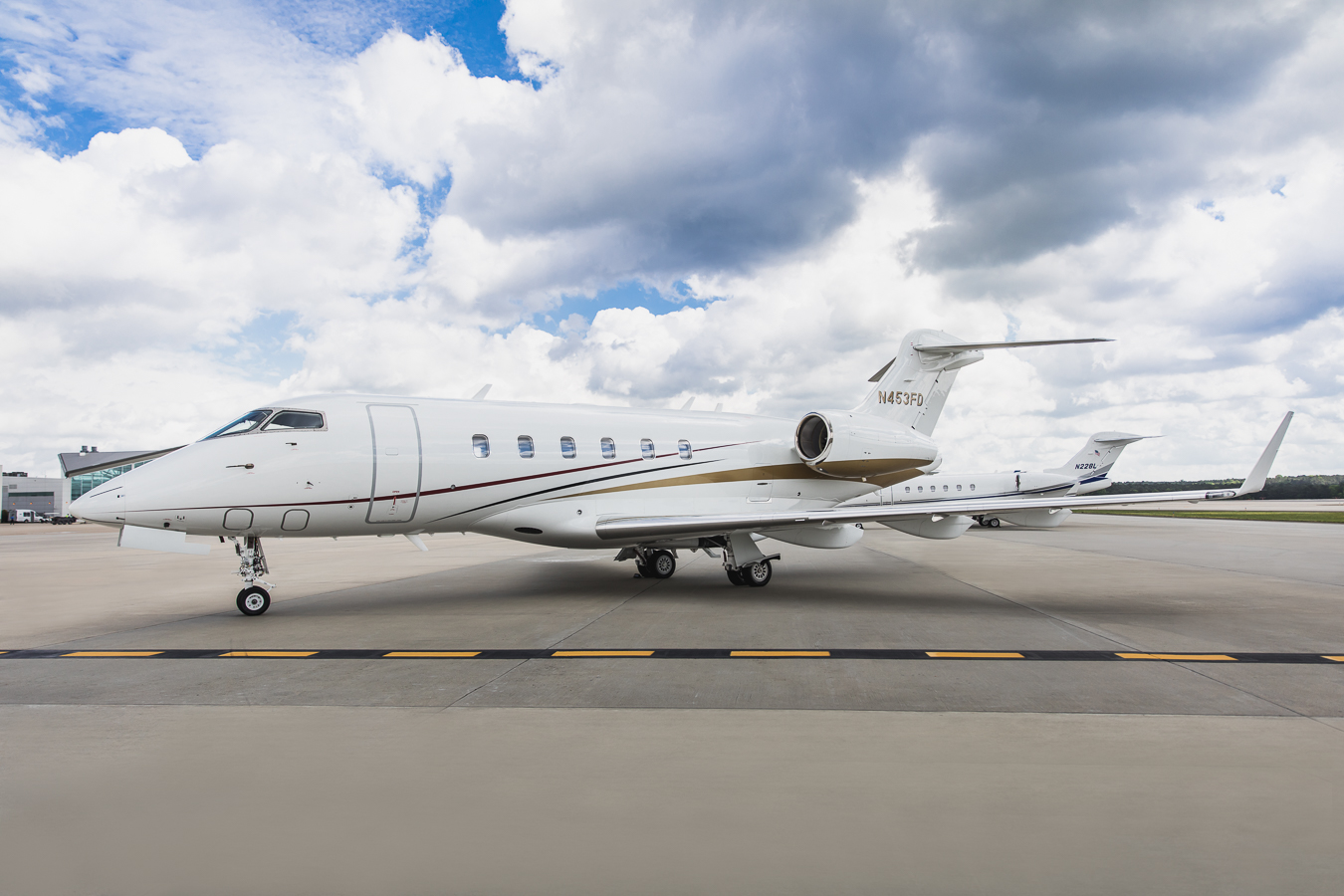
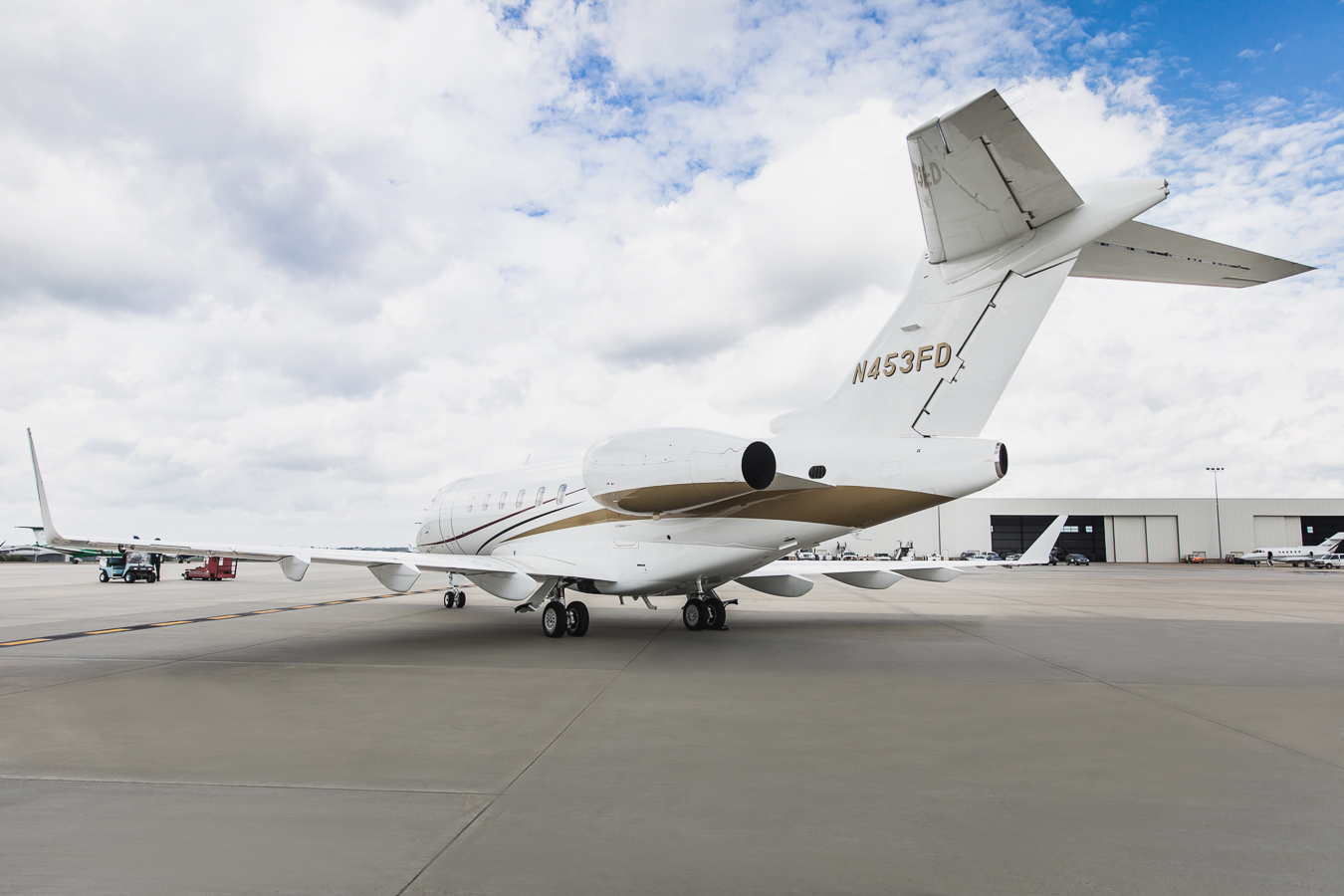
| N453FD Aircraft Registration |
| Seats |
|---|
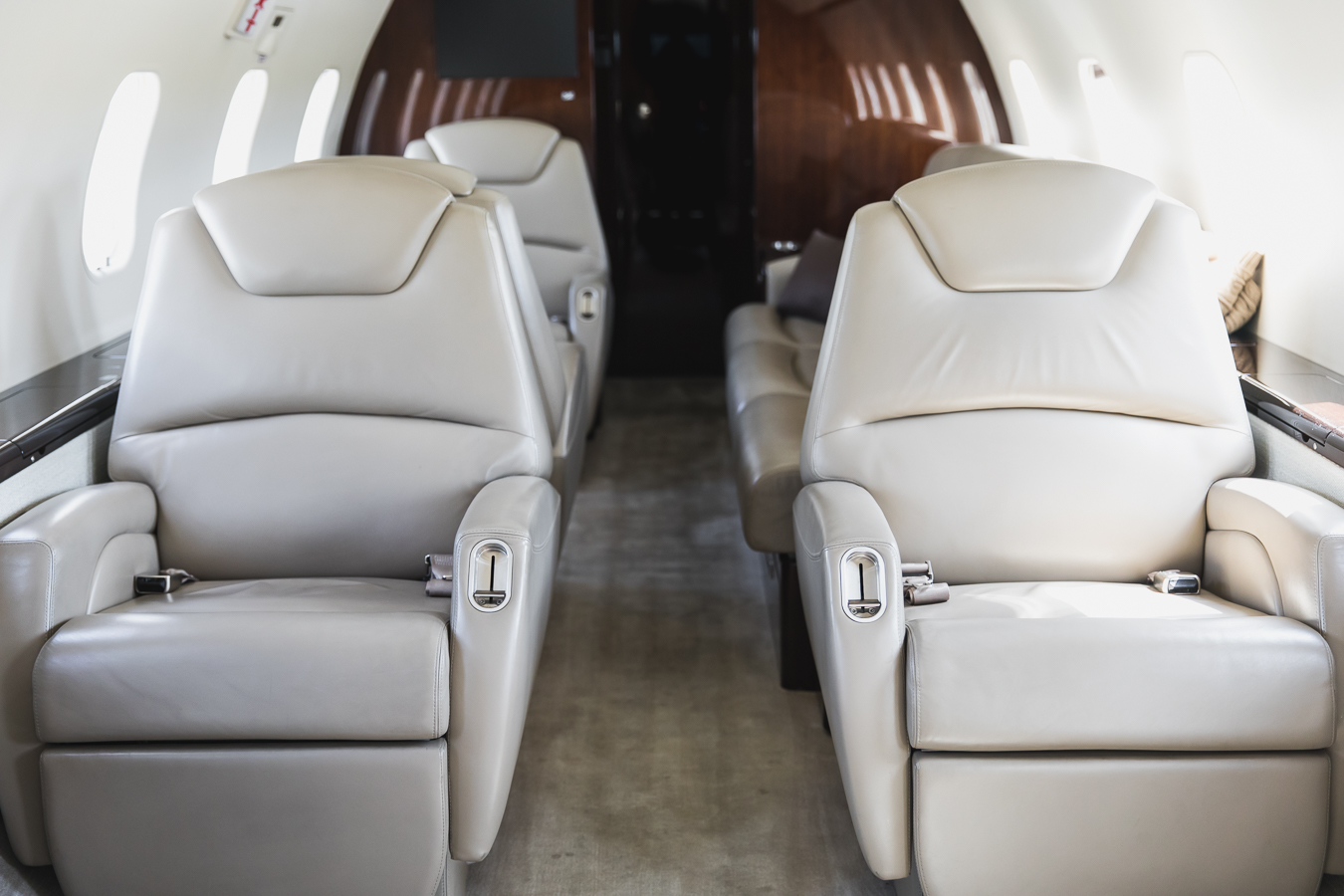
| 9 PAX 10th Belted Lav |
| Range |
|---|
| 3,200 NM Transcontinental Reach |
| Wifi/Phone |
|---|
| GOGO Speed WiFi Aircell Connectivity |
| Entertainment |
|---|
| Airshow DVD-CD Player |
| Luggage |
|---|
| 106 Cubic Feet Accessible Storage |
| Lavatory |
|---|
| Private Lavatory Stand-Up Vanity |
| Cabin Width |
|---|
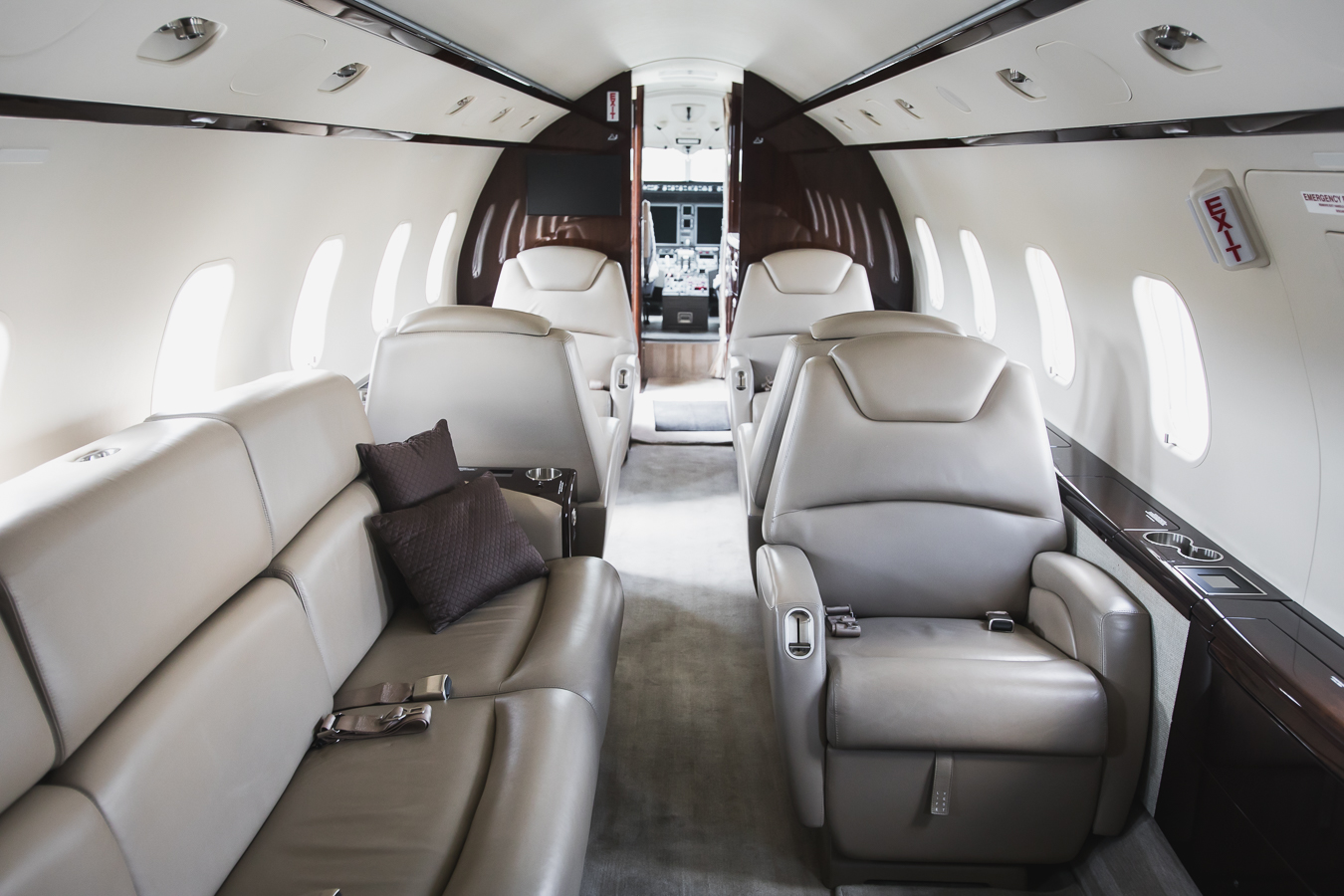
| 7 ft 2 in Wide Cabin Comfort |
| Cabin Length |
|---|
| 25 ft 2 in Super Midsize Cabin |
| Cabin Height |
|---|
| 6 ft 1 in Full Standing Height |
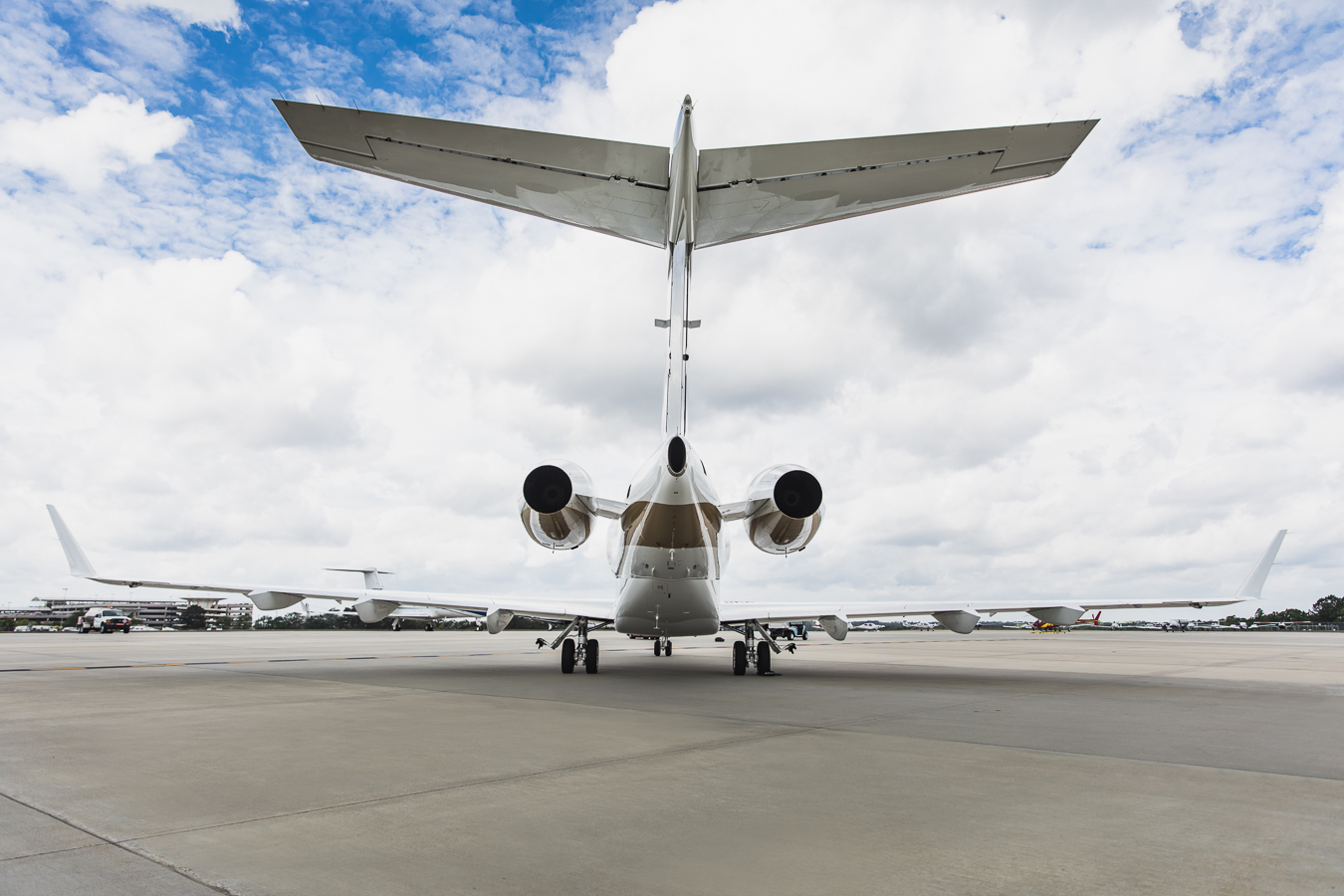
View the Bombardier Challenger 300 – N453FD
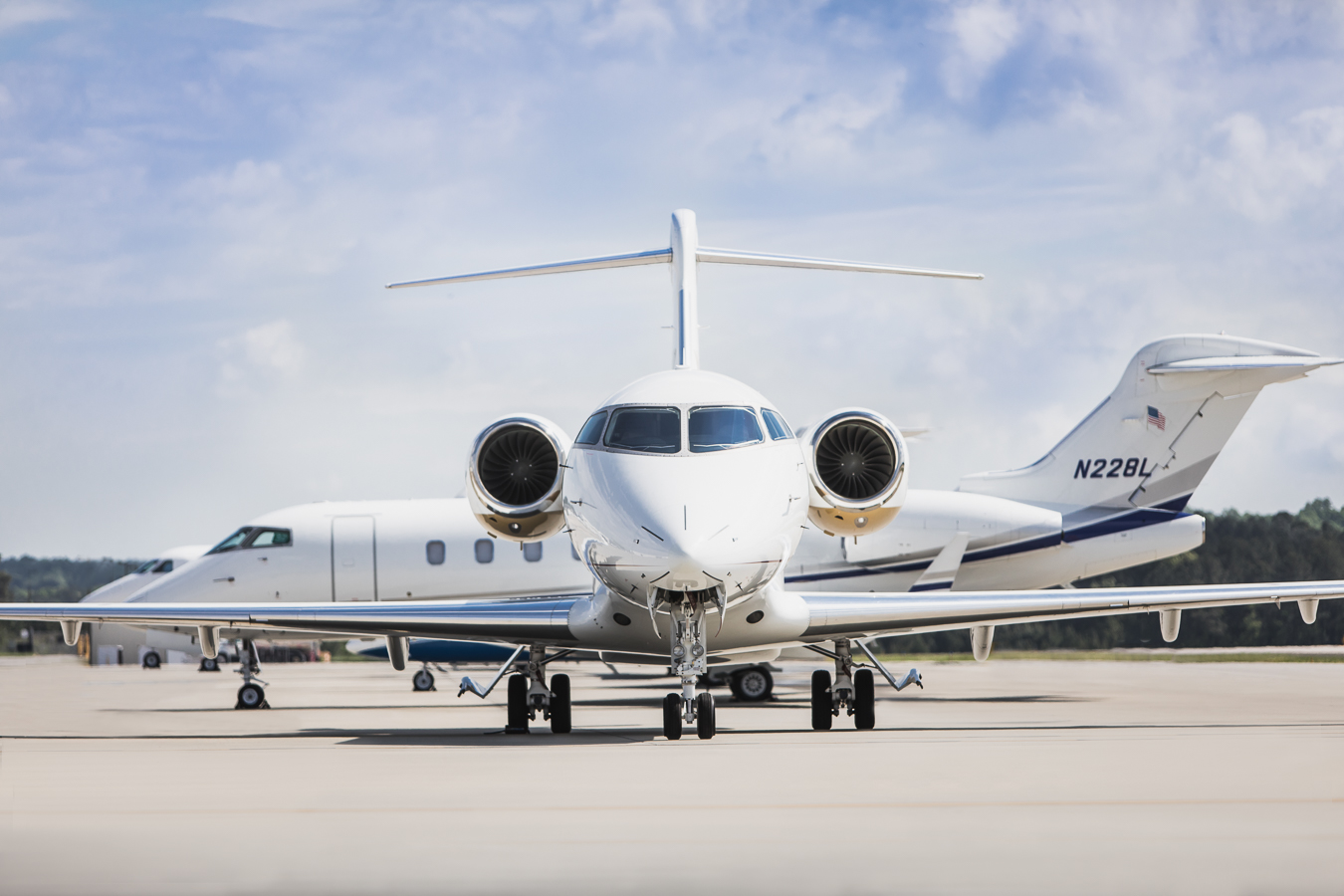
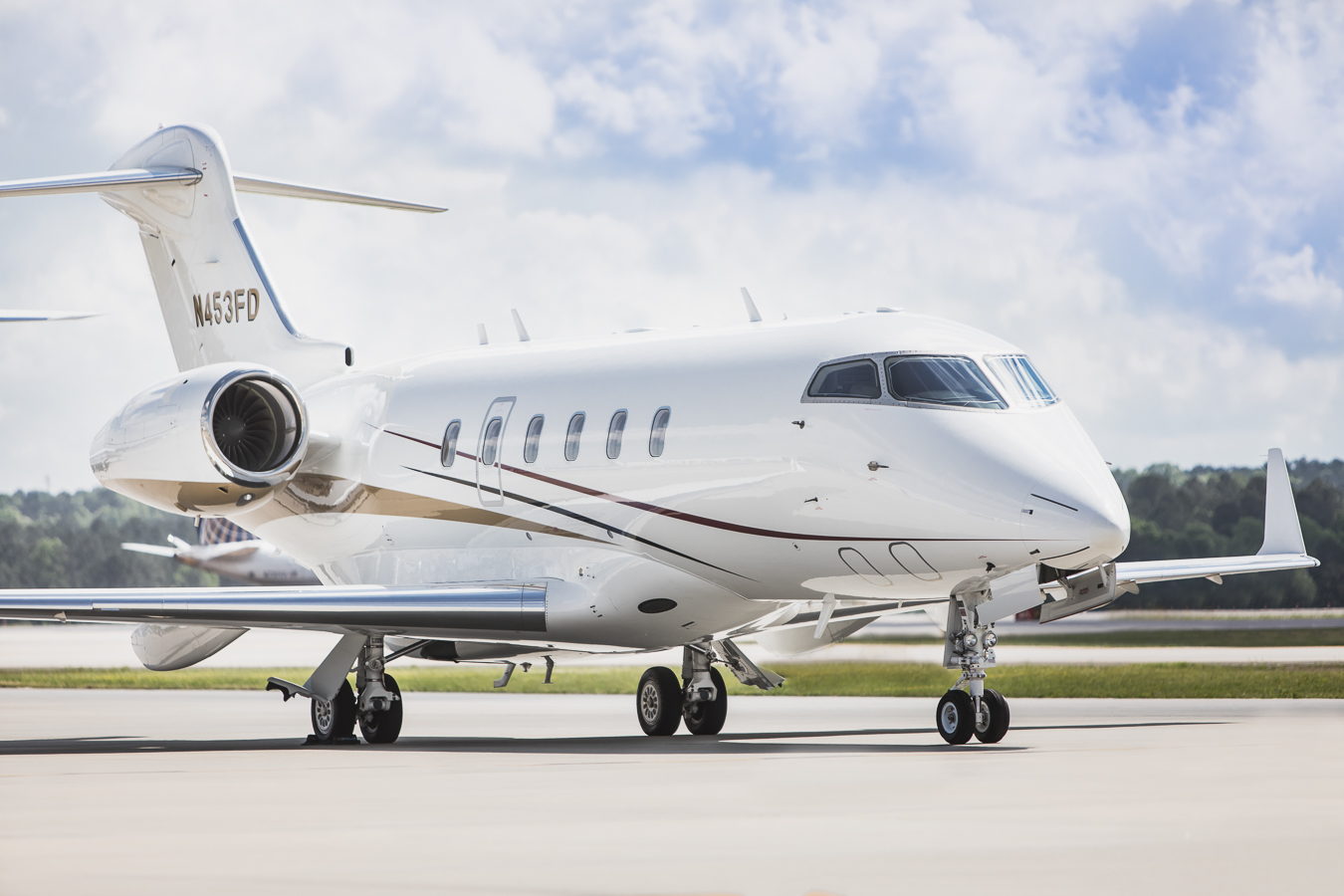
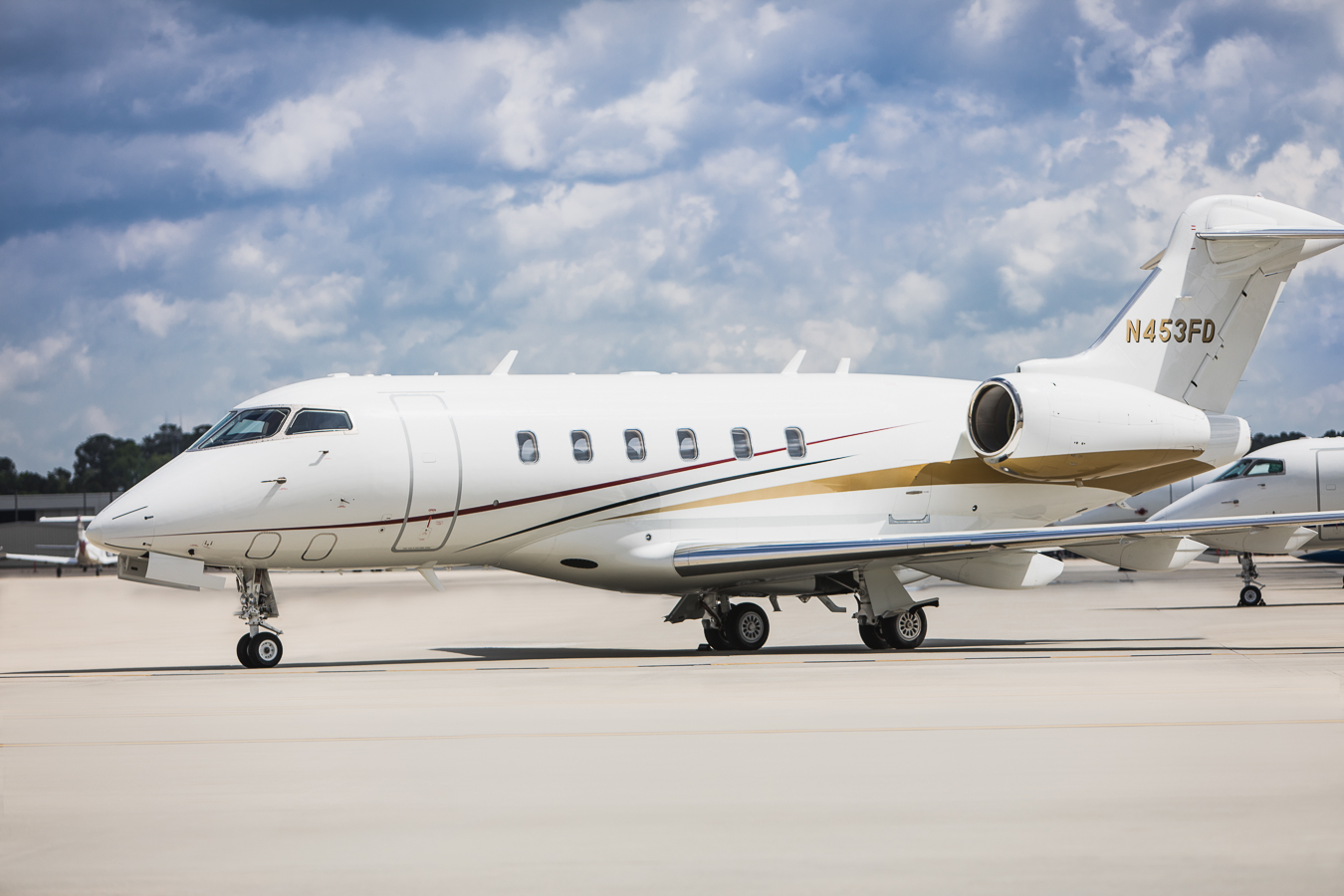
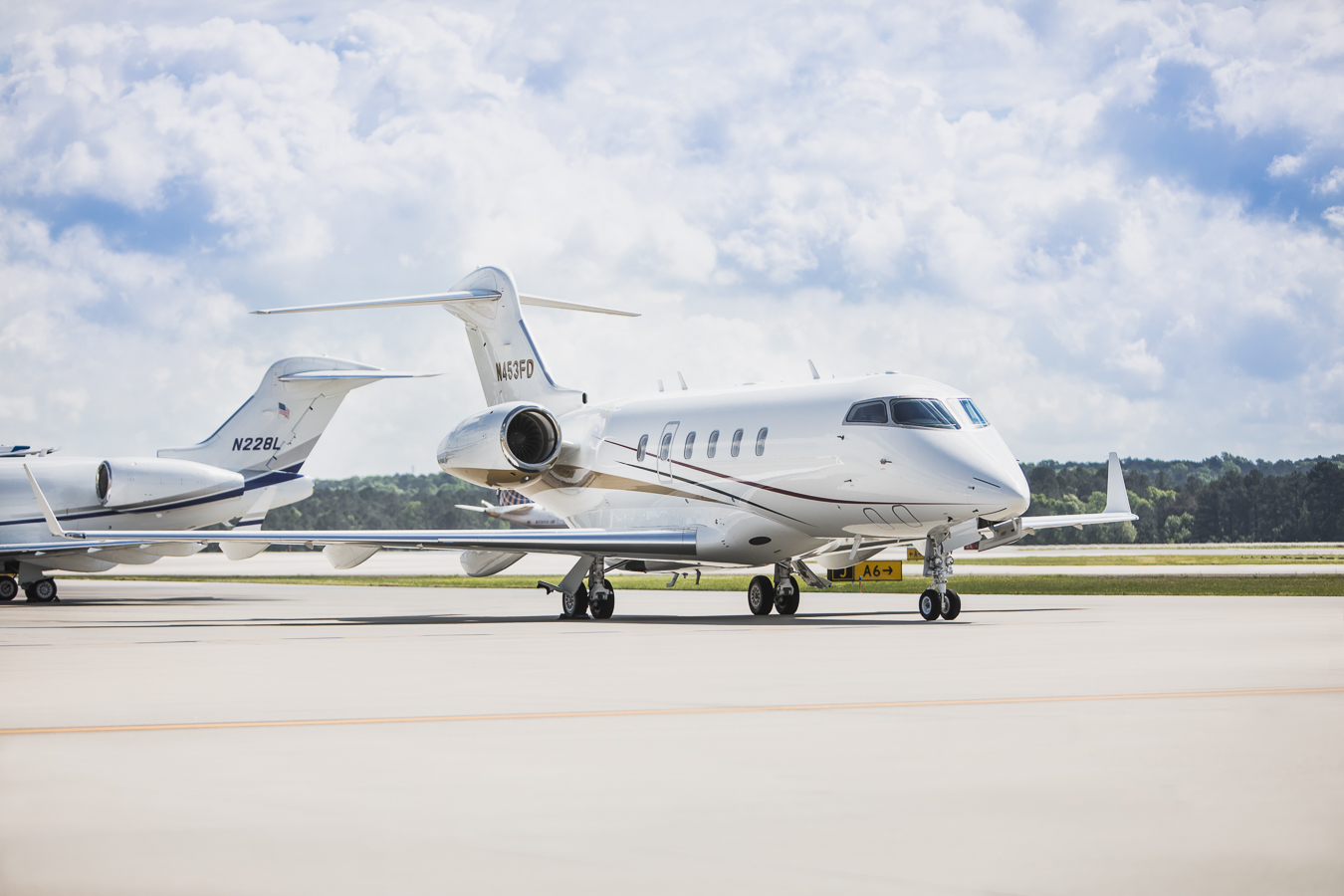
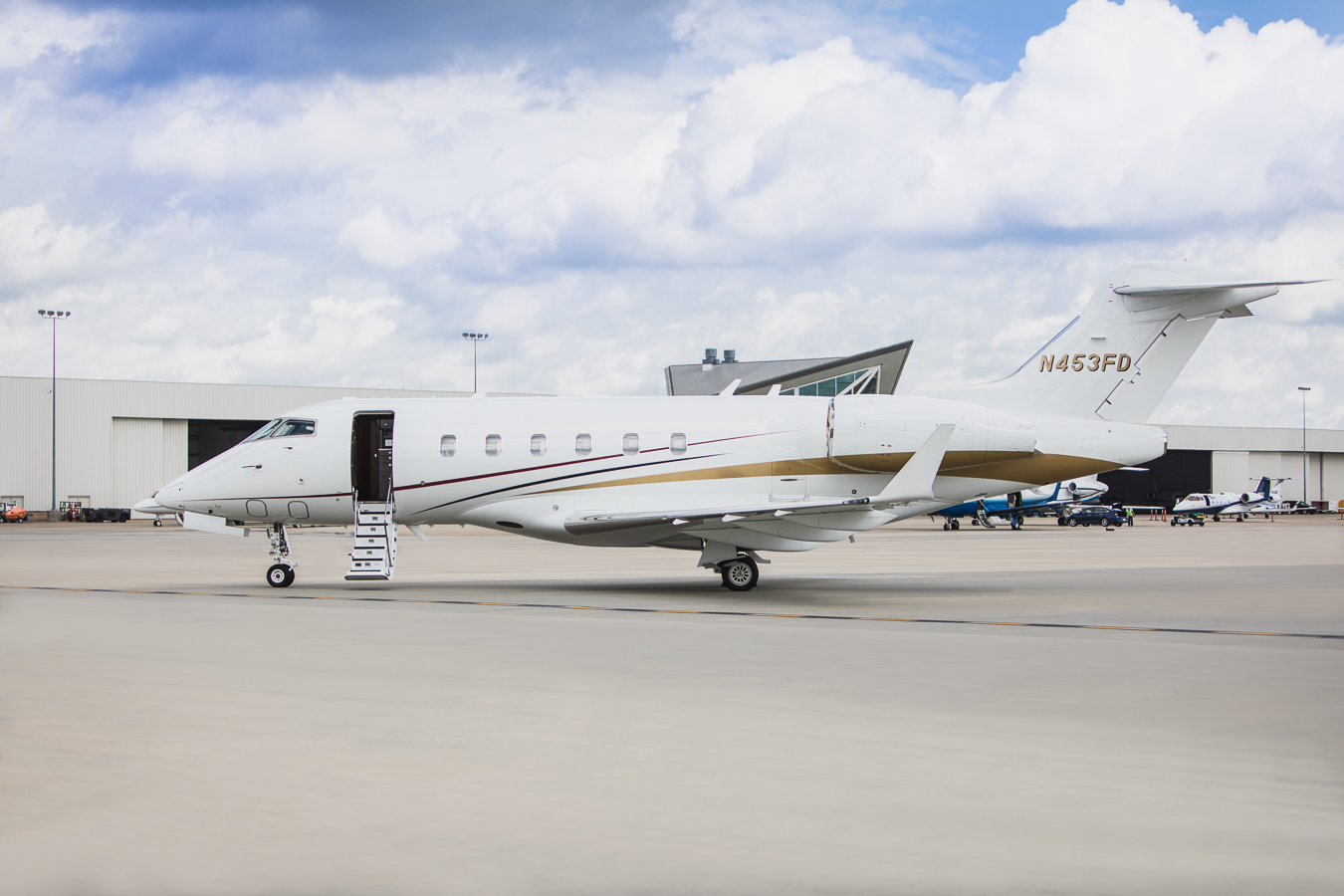
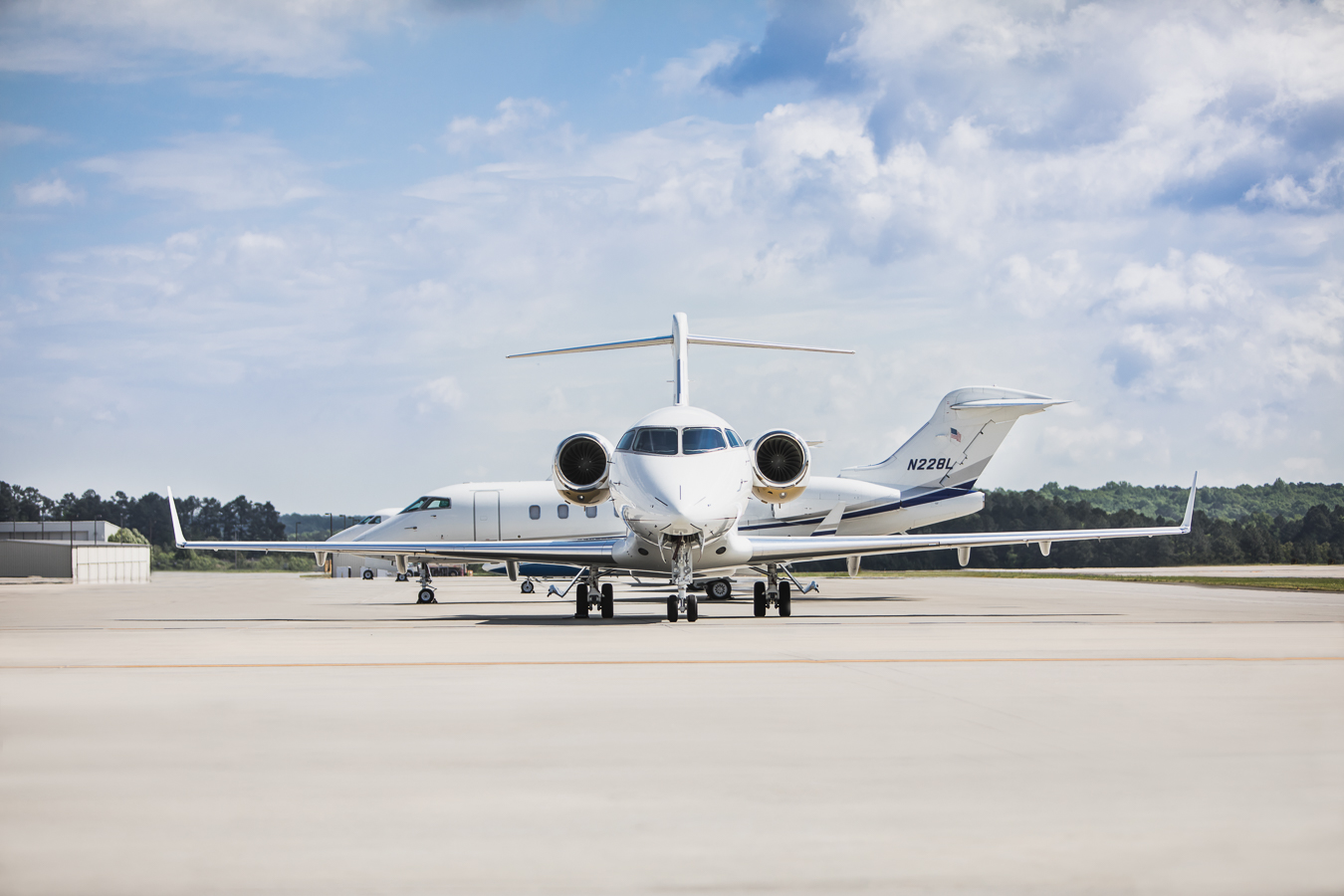
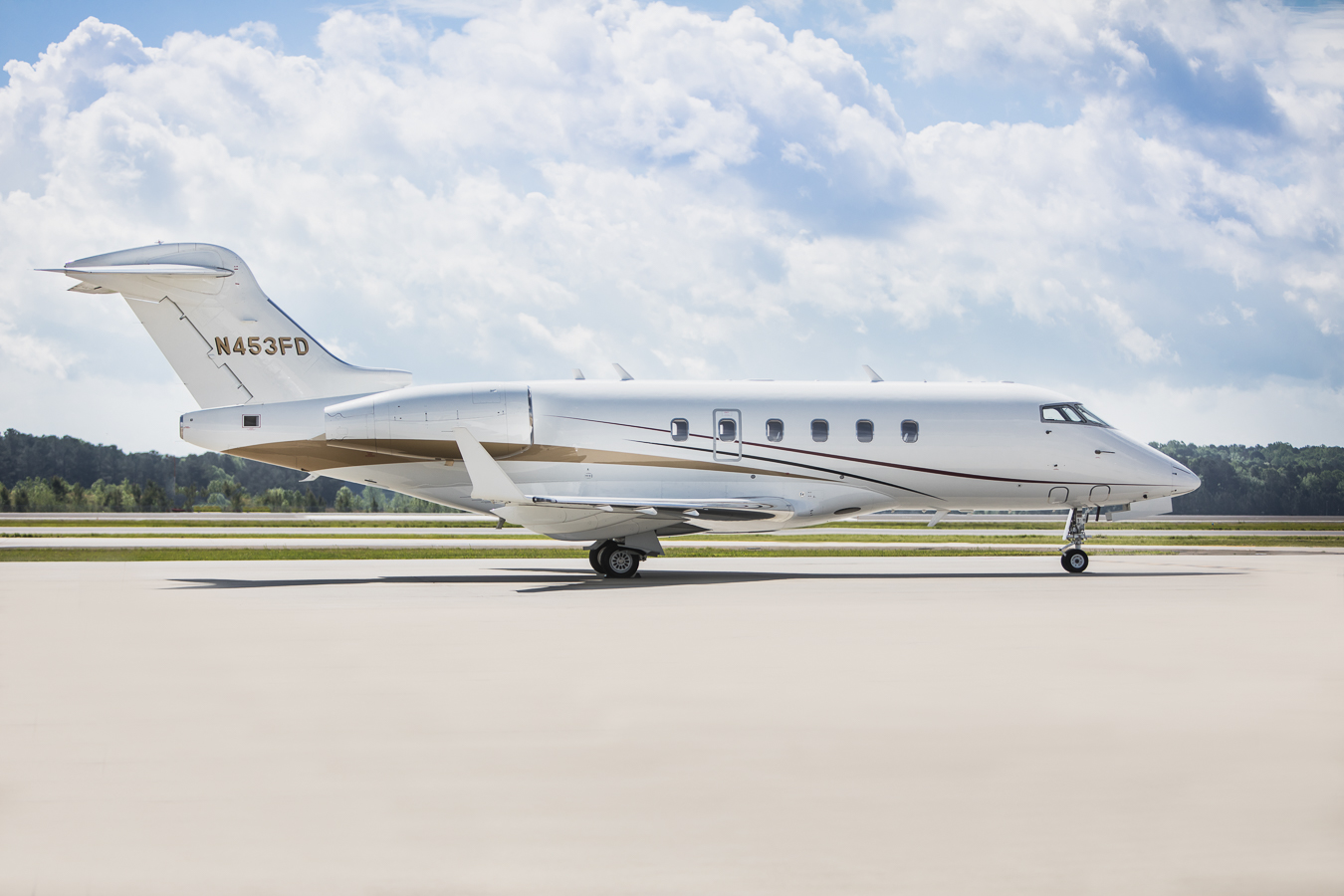
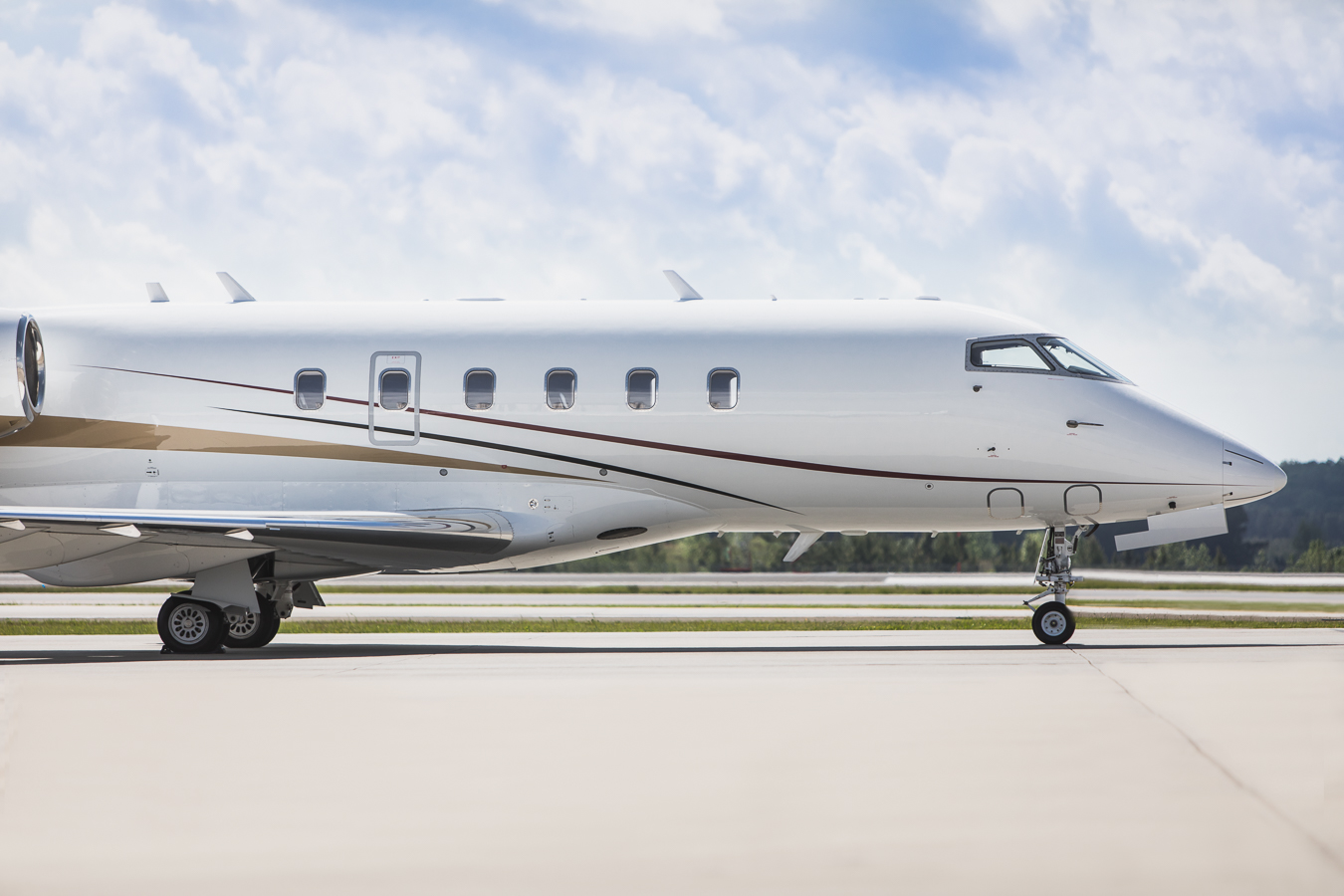
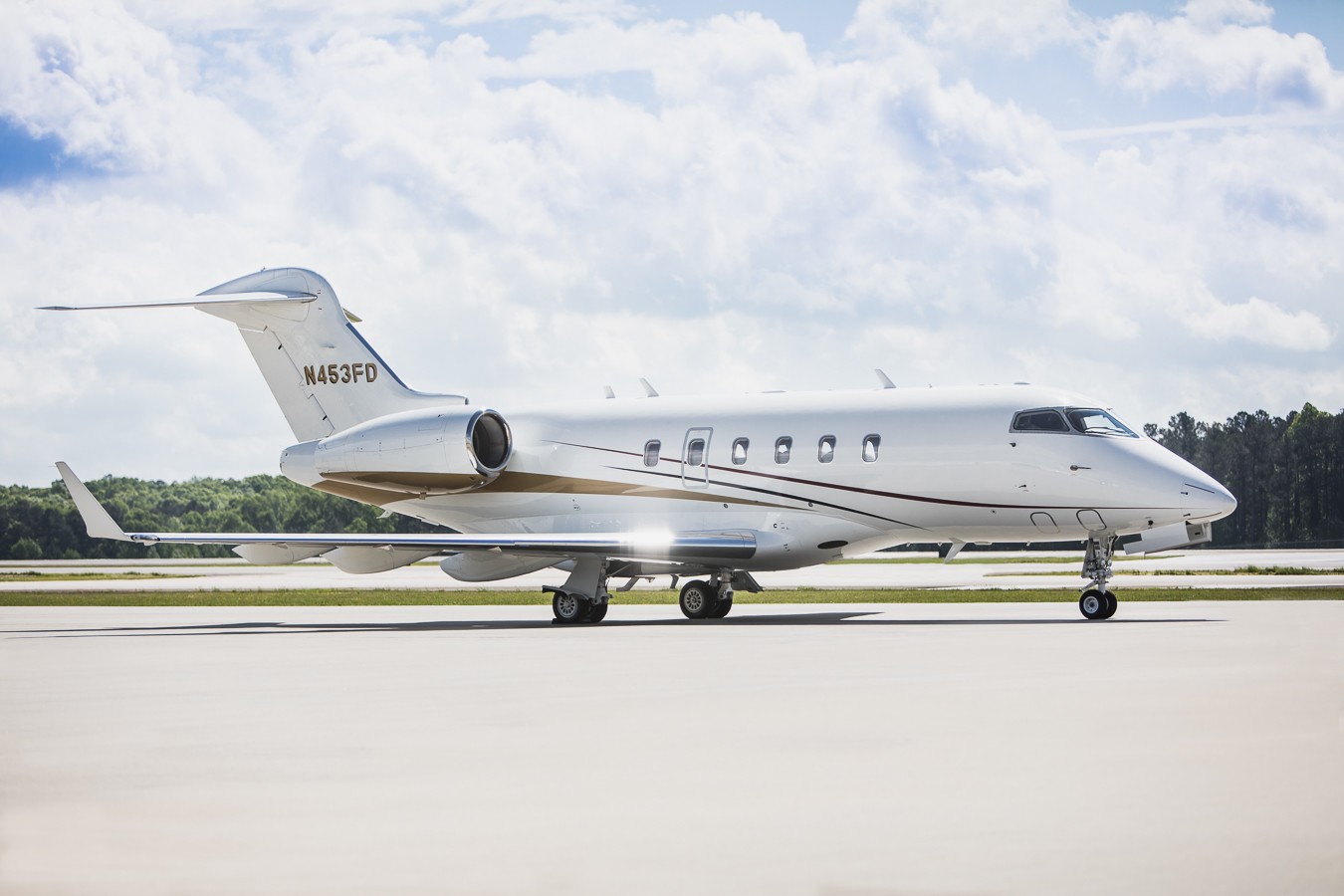
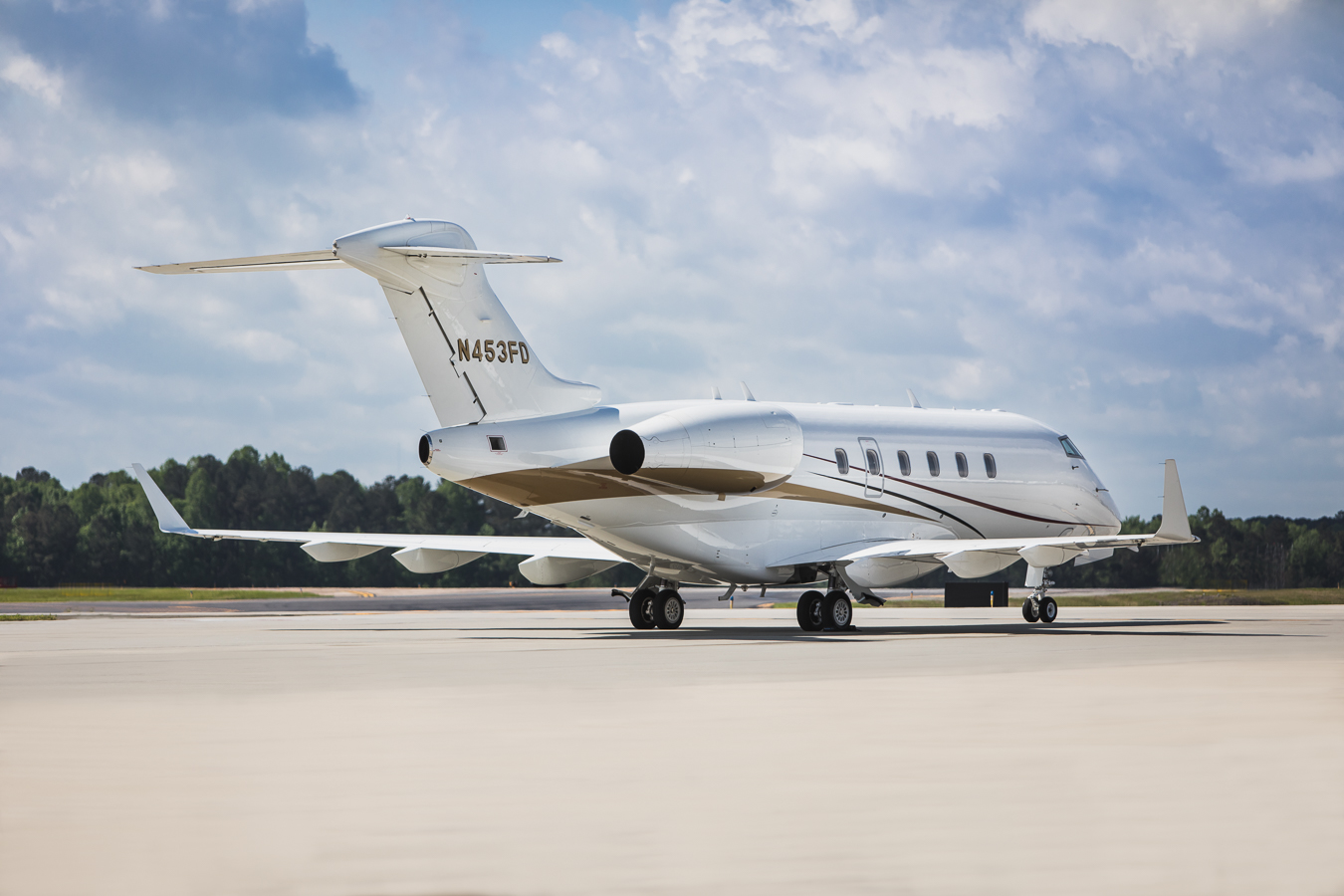

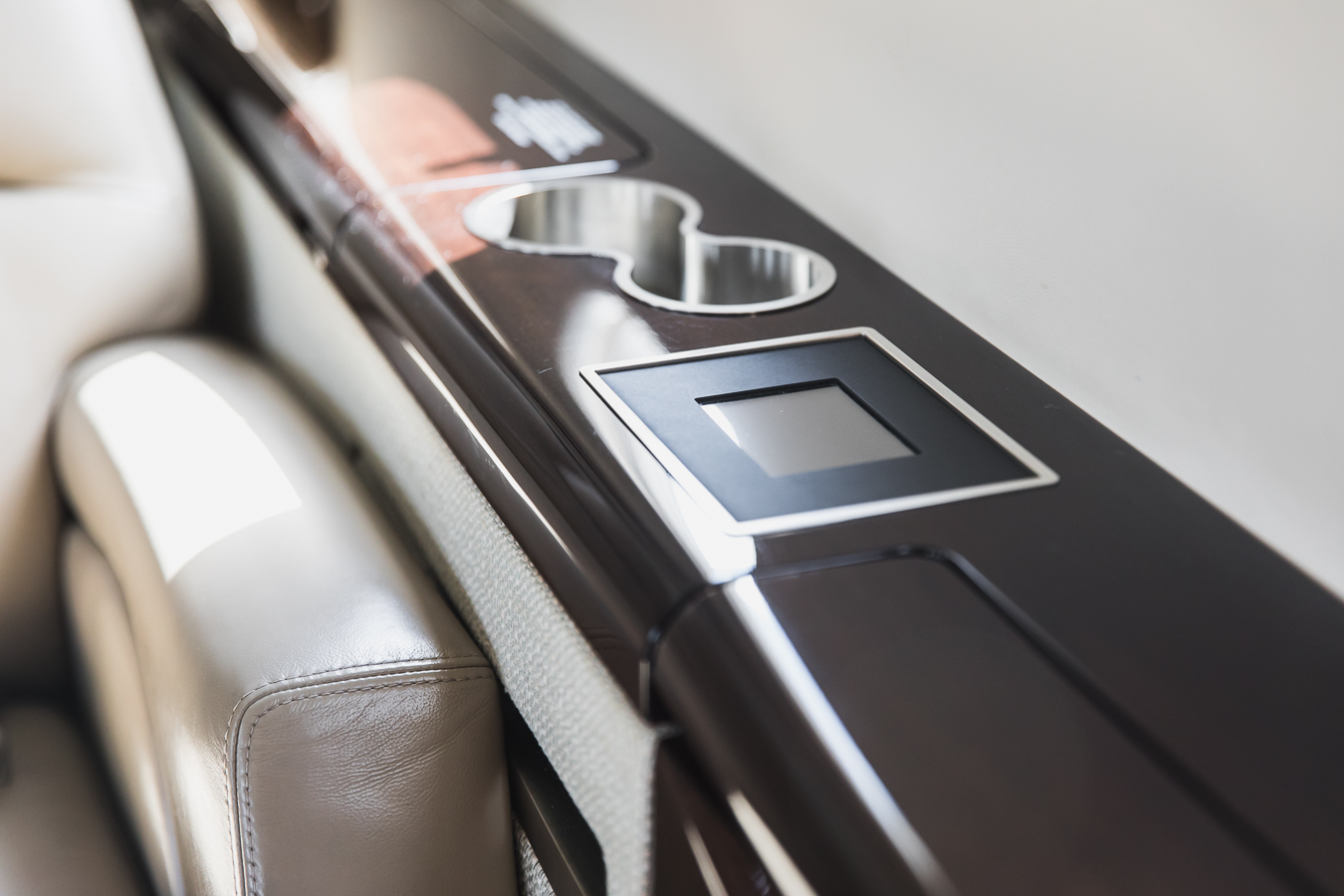
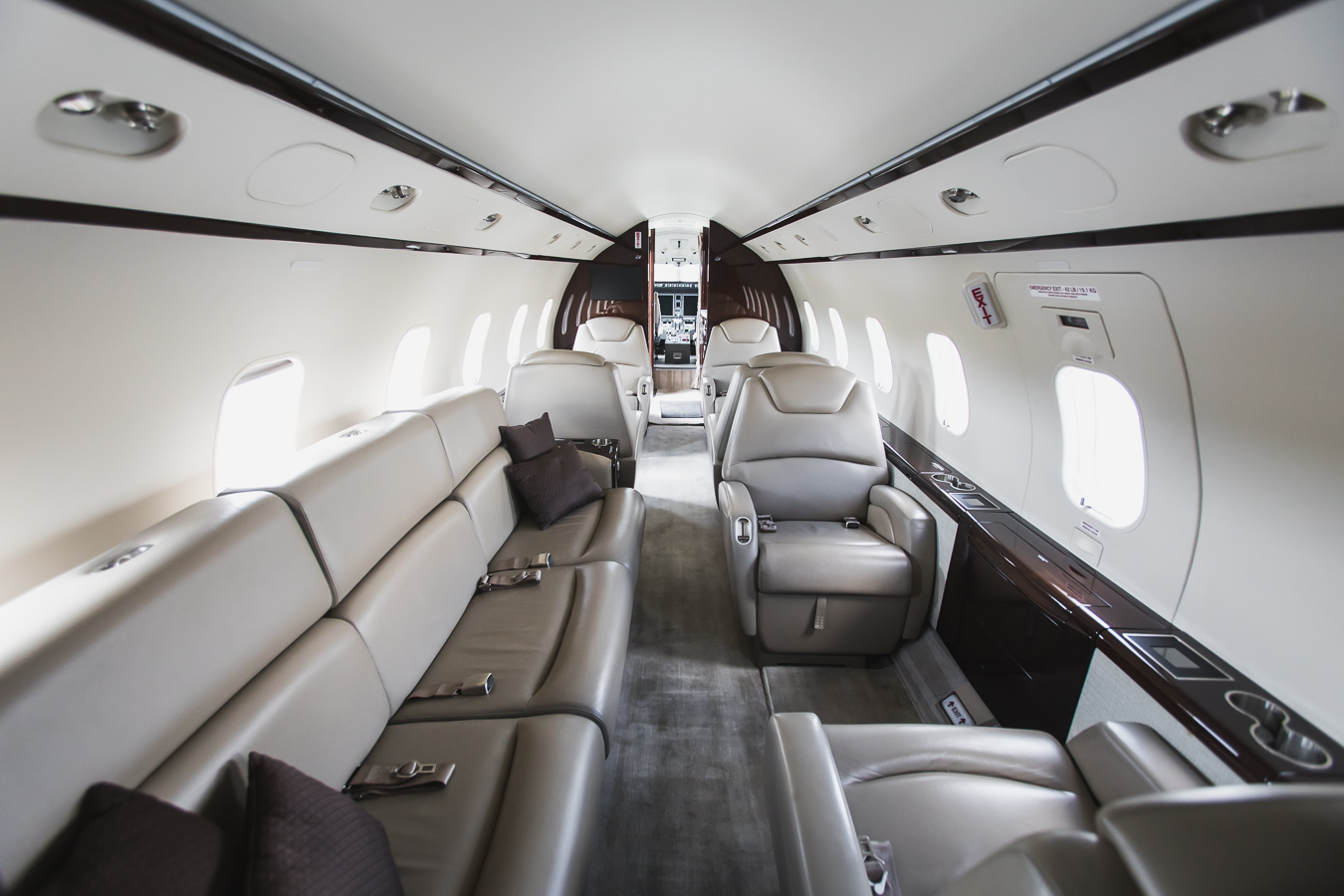
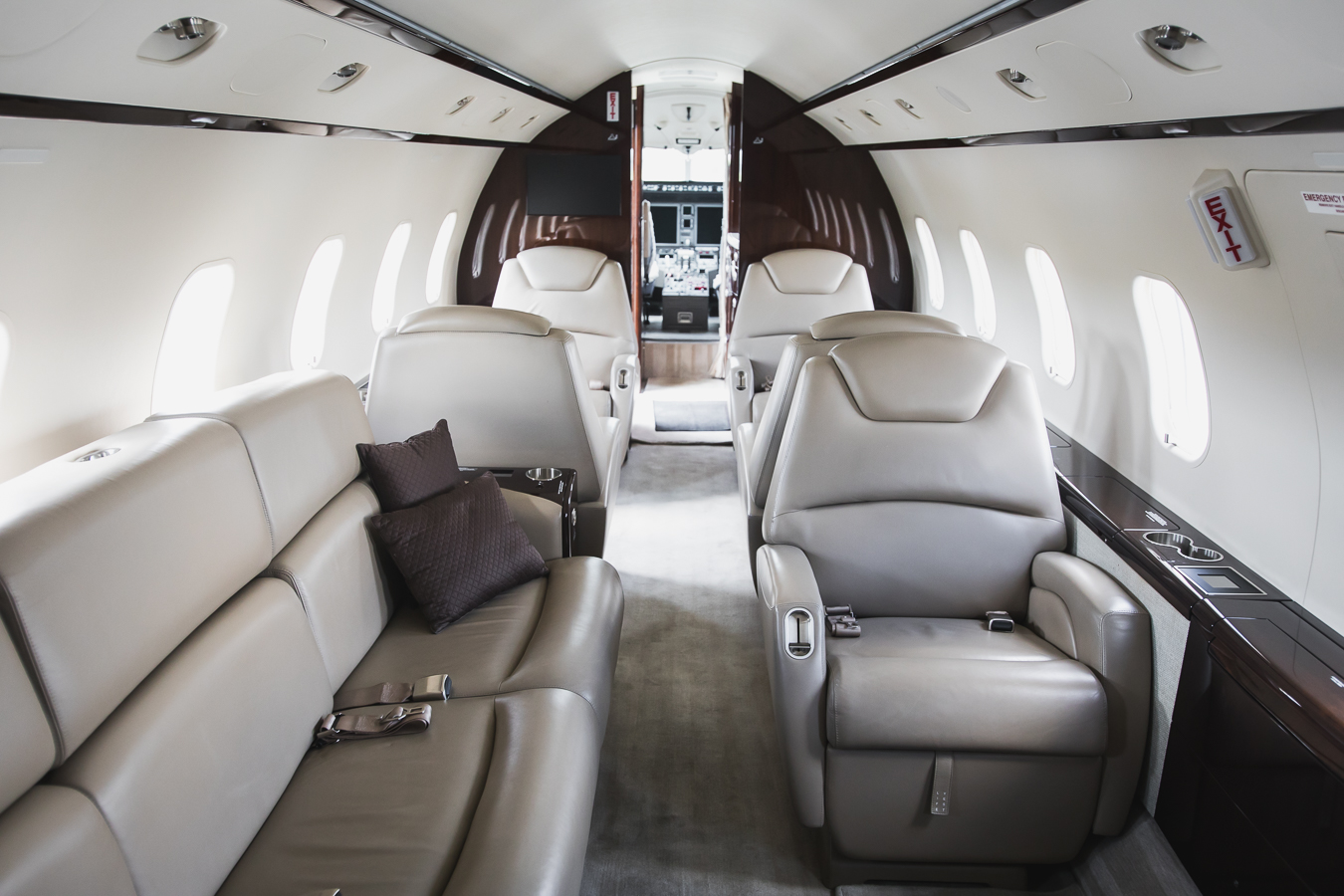



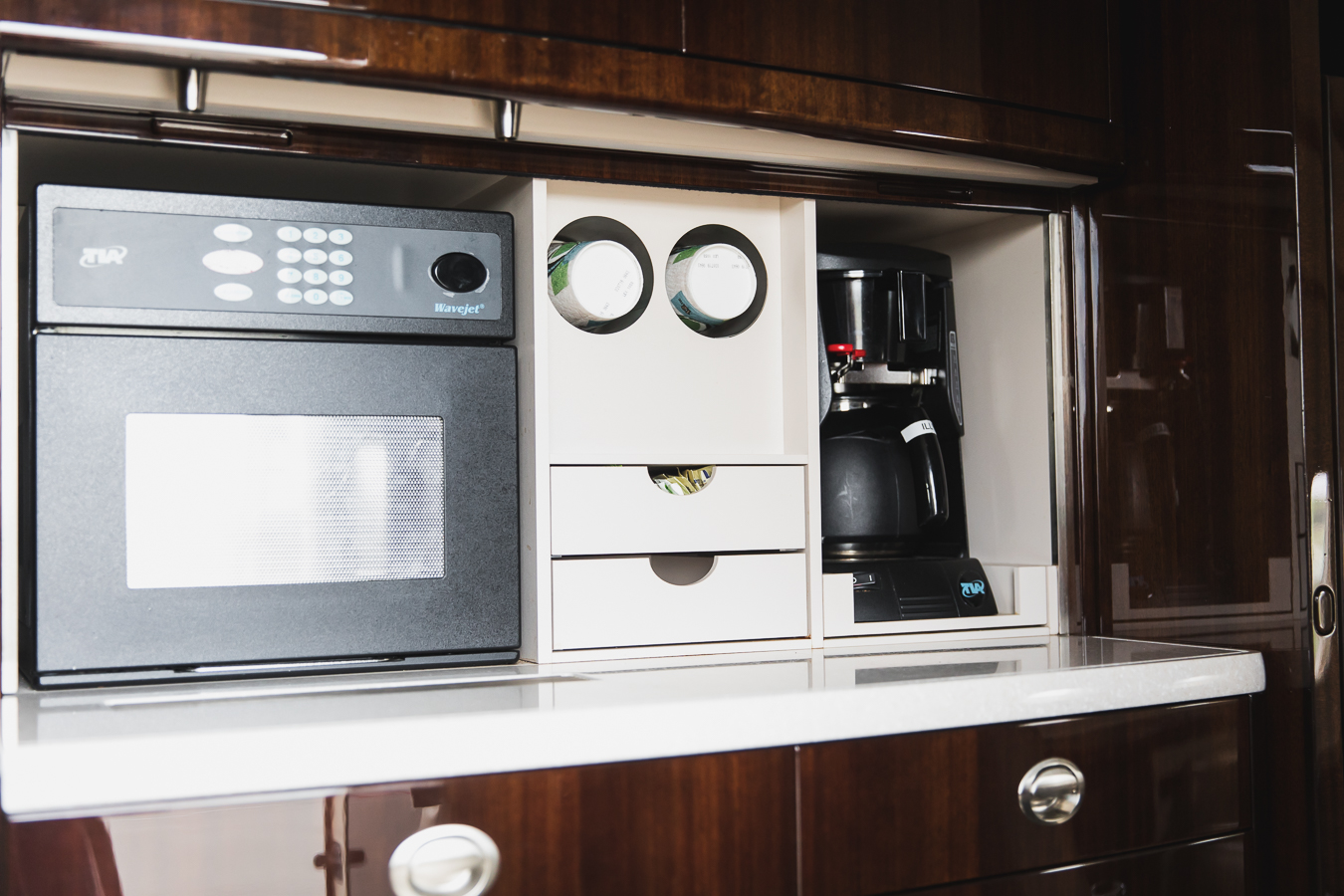
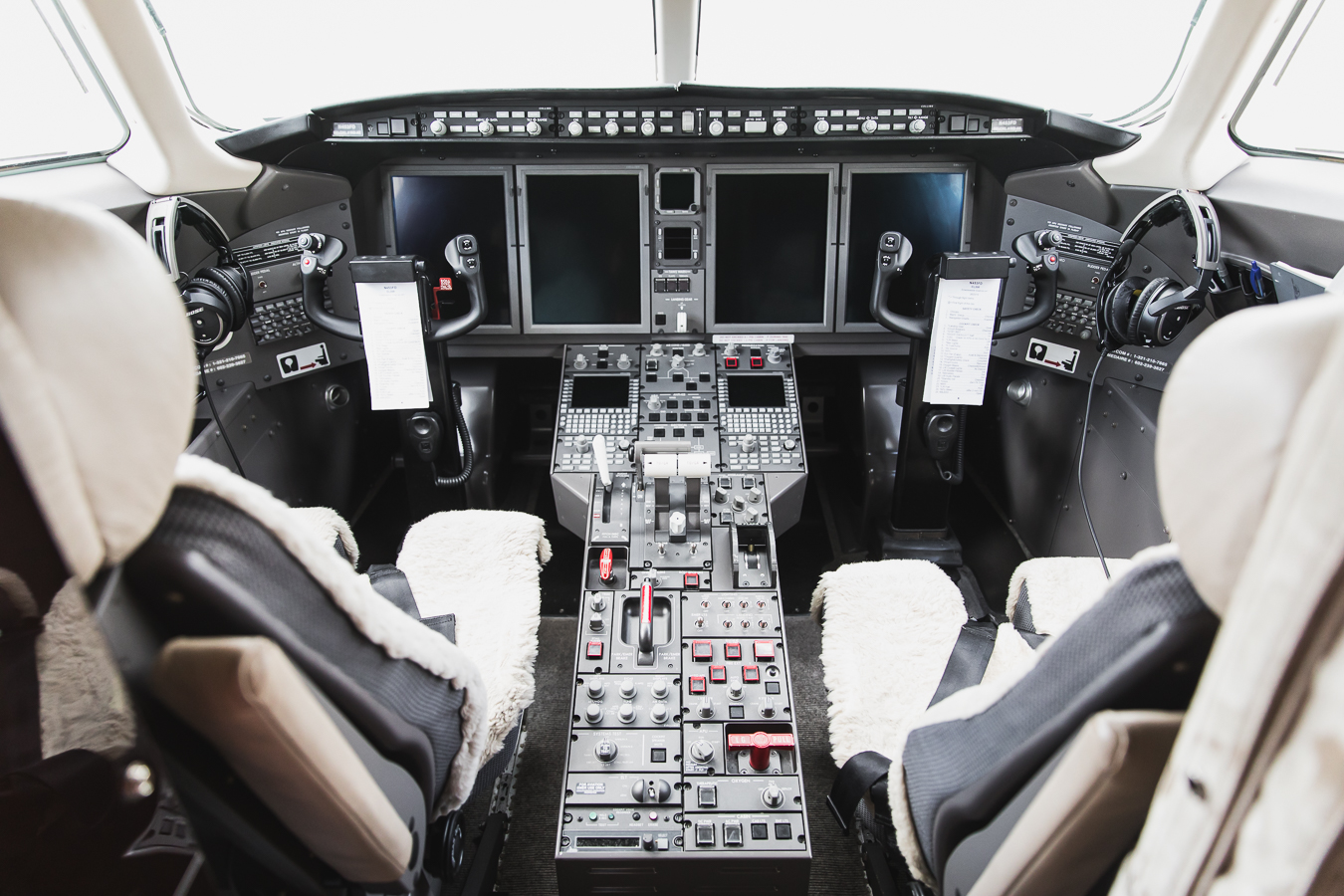
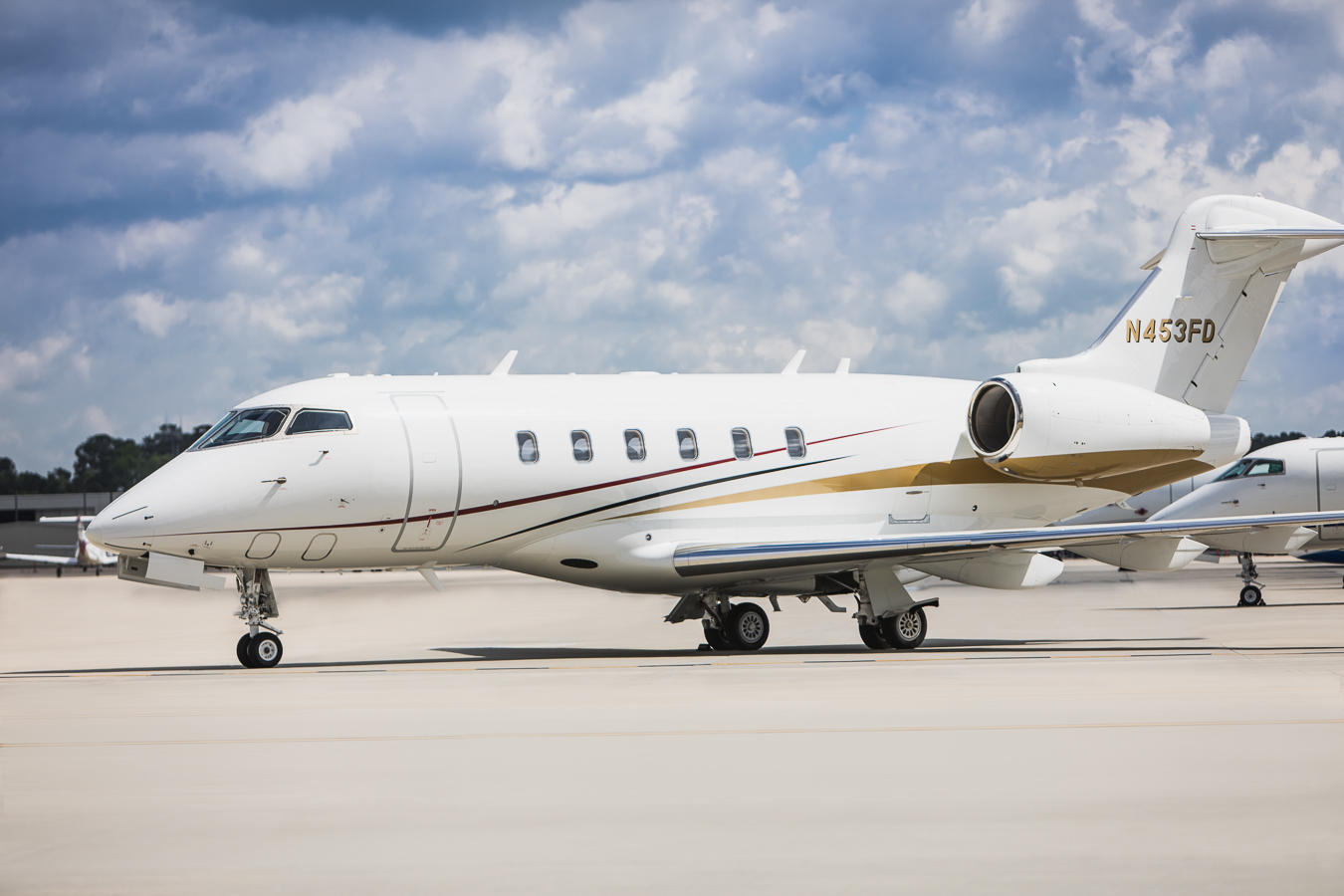
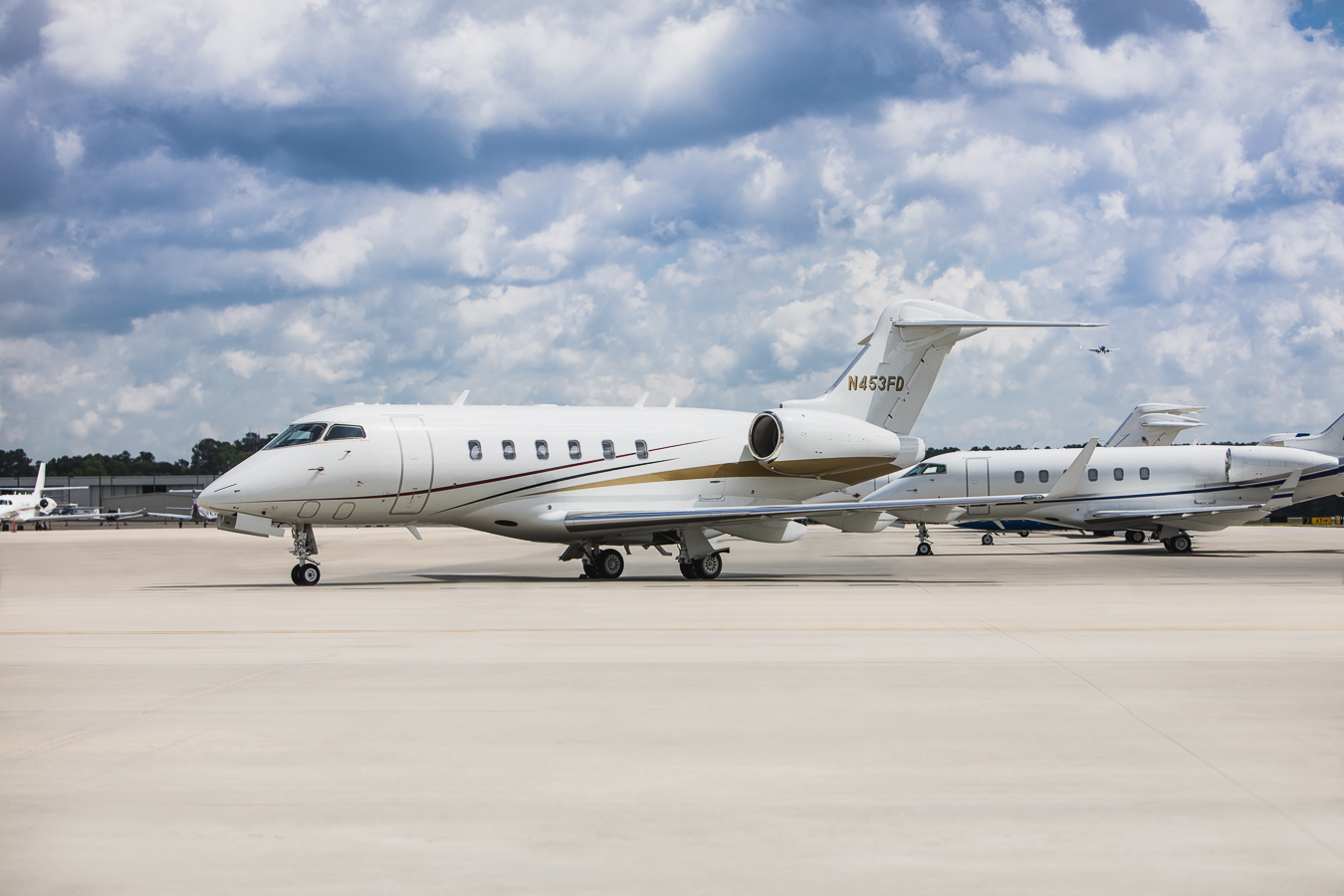
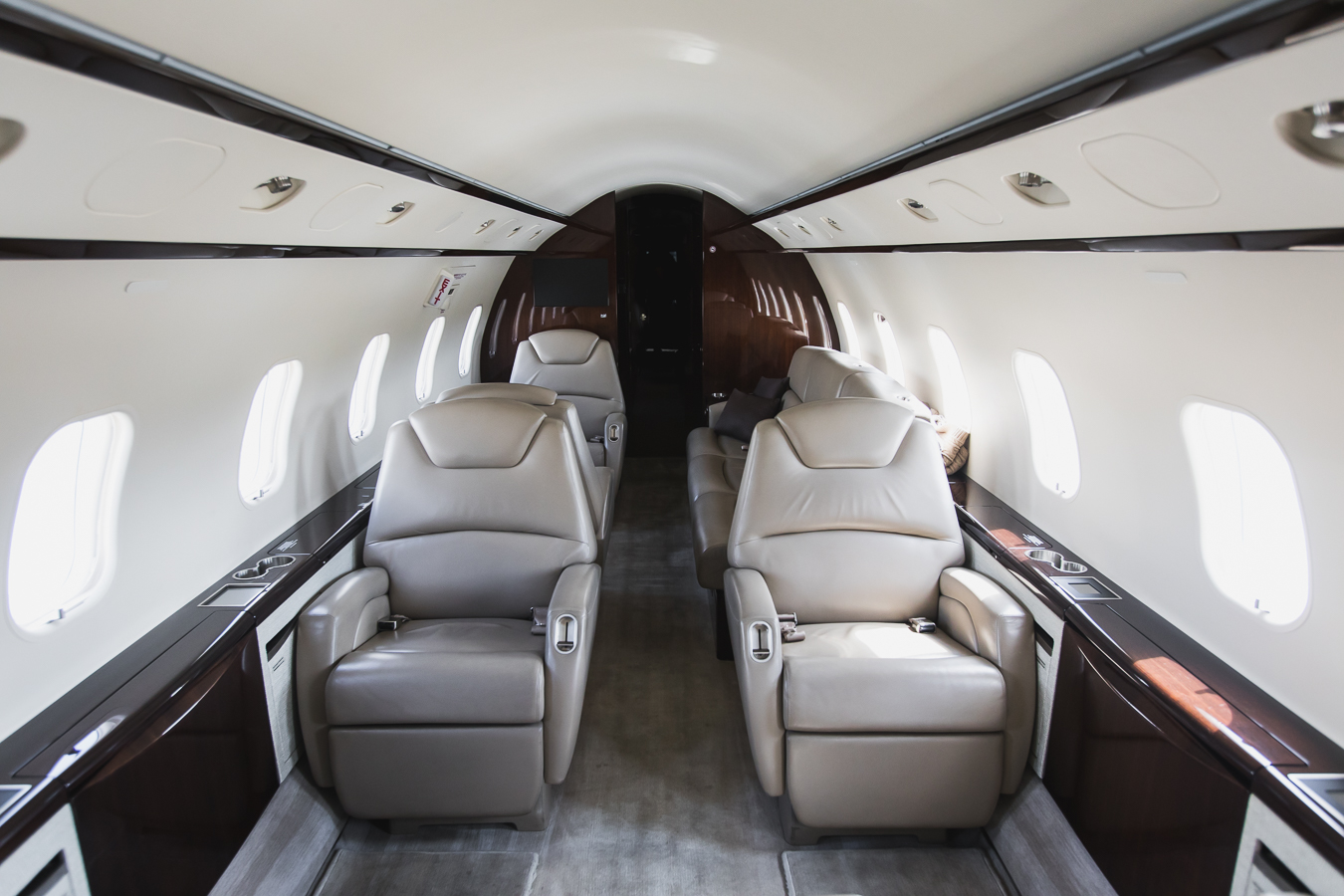
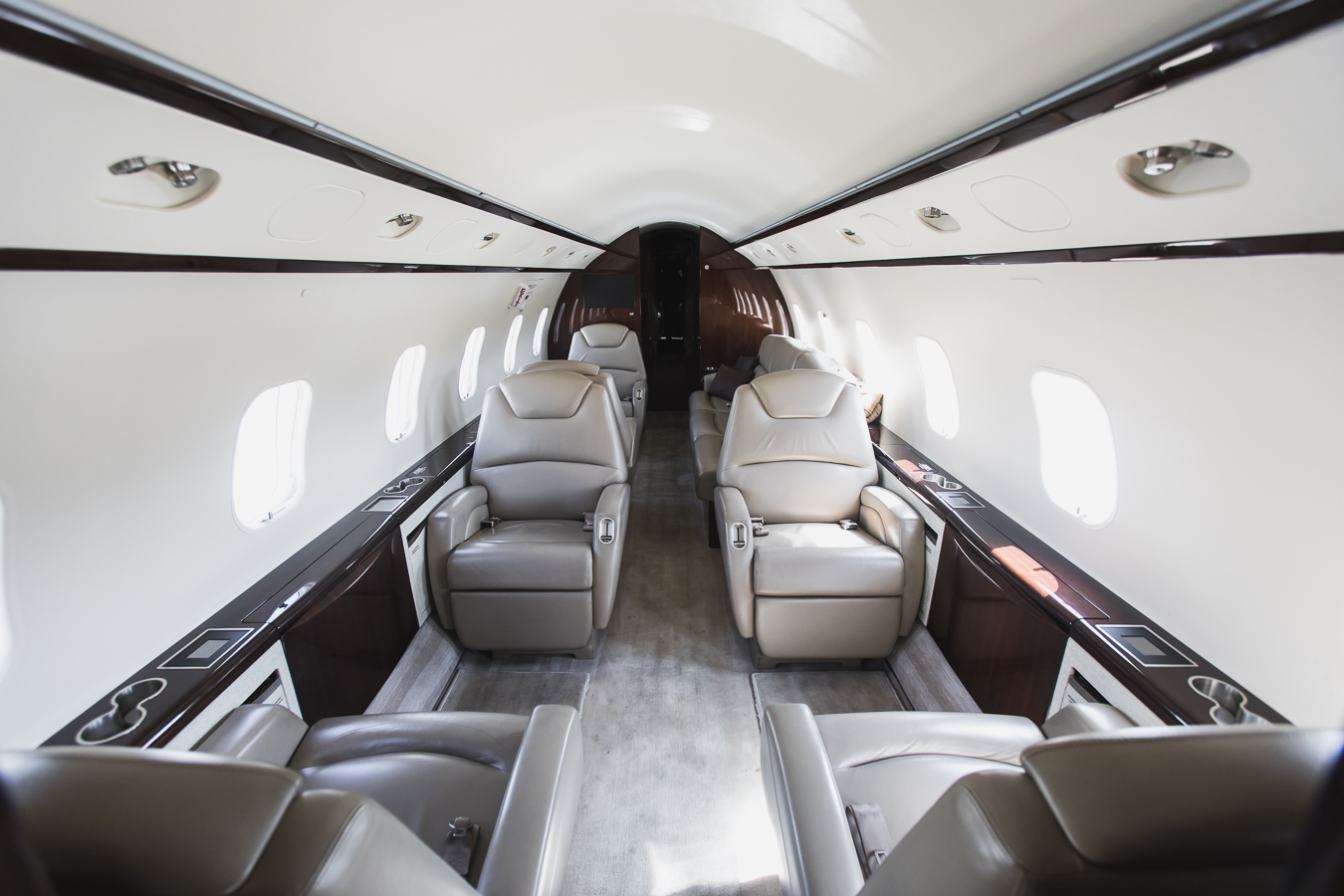
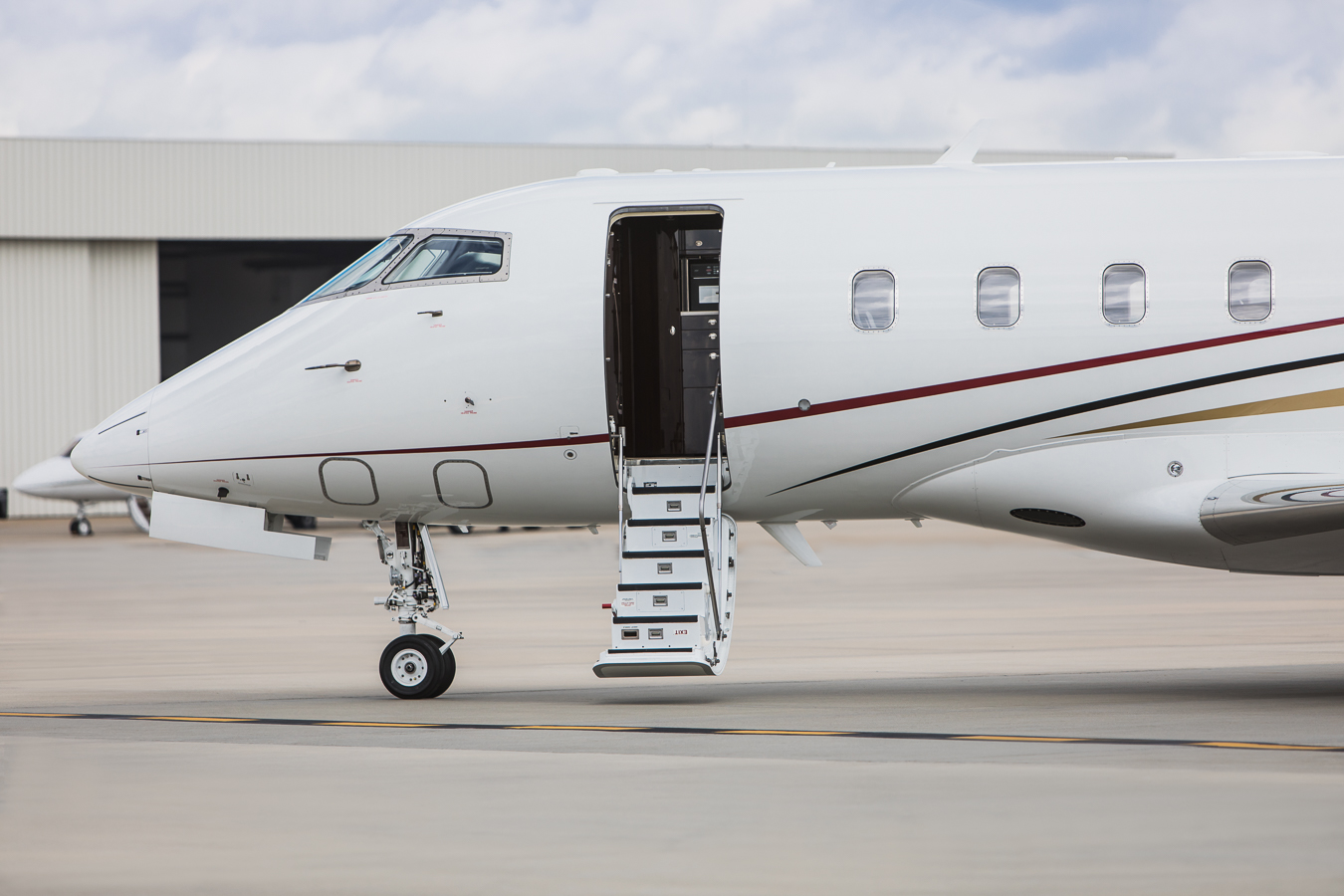


Why N453FD Prioritizes the Experience Between Departure and Arrival
The Bombardier Challenger 300 – N453FD serves travelers whose priorities extend beyond simply reaching a destination. While aircraft performance, range, and operational capability remain important considerations, many passengers ultimately spend far more time evaluating the experience inside the cabin than the performance numbers behind it. Longer travel days, regional business trips, transcontinental missions, and multi-passenger itineraries all place greater emphasis on the environment passengers experience throughout the flight itself.
Within Flight Group Corporation’s managed fleet, N453FD frequently aligns with travel profiles where comfort, productivity, and passenger experience play a significant role in the overall mission. The aircraft’s cabin dimensions, seating environment, and operational flexibility help support travelers who expect transportation to remain functional throughout the journey rather than simply serving as a means to an end.
For organizations, families, and individuals spending meaningful time aboard the aircraft, the experience between departure and arrival often becomes just as important as the destination itself.
What Travelers Tend to Notice After the Second Hour
Aircraft discussions frequently focus on specifications, range figures, and operating performance. Passengers often evaluate aircraft differently. As flight duration increases, factors such as seating comfort, available space, cabin movement, conversation flow, and overall environment become increasingly important.
A shorter flight may place little emphasis on these details. Longer missions often create a very different perspective. The ability to move comfortably throughout the cabin, access personal belongings, interact naturally with fellow passengers, and remain productive during flight can significantly influence how the overall travel experience is perceived.
N453FD supports travel profiles where passengers may spend several consecutive hours aboard the aircraft. In these situations, cabin functionality becomes an operational consideration rather than simply a comfort feature.
How Longer Travel Days Change Passenger Priorities
Travel requirements often look different at the beginning of the day than they do several hours later. Early departures, multiple commitments, changing schedules, and extended time in transit can gradually shift passenger priorities away from simple transportation and toward comfort, functionality, and overall usability.
N453FD supports these longer travel days by providing an environment that remains practical throughout the mission. Access to personal belongings, room to move throughout the cabin, opportunities for conversation, and the ability to remain productive all contribute to a more consistent passenger experience as the day progresses.
For many travelers, the true value of the cabin becomes increasingly apparent as mission duration increases. What feels adequate on a short flight often becomes significantly more important later in the day.
Supporting Executive Teams Traveling Together
Many aircraft missions involve more than a single traveler. Executive teams, ownership groups, consultants, project stakeholders, advisors, and support personnel frequently travel together to maintain alignment throughout the trip.
Group travel introduces different priorities than individual transportation. Conversations continue throughout the flight, plans evolve, decisions are made, and information is shared between destinations. N453FD provides a cabin environment capable of supporting these interactions while maintaining comfort for all passengers onboard.
The aircraft’s layout allows passengers to remain engaged throughout the mission without sacrificing the personal space necessary for longer travel days. This balance contributes to the continued popularity of the Challenger platform among organizations that regularly move multiple travelers together.
When Multiple Passengers Share the Same Schedule
Travel priorities often change when an aircraft is carrying a group rather than a single traveler. Executive teams, ownership groups, advisors, consultants, project stakeholders, and family members frequently utilize the aircraft together while pursuing a common objective.
In these situations, the aircraft becomes more than transportation. Discussions continue between destinations, decisions are made during flight, and planning often takes place before arrival. Maintaining an environment that supports interaction without sacrificing passenger comfort becomes increasingly important as mission duration increases.
N453FD supports these travel profiles through a cabin environment that allows passengers to remain engaged with one another while still maintaining the space necessary for longer flights. This balance helps explain why the Challenger platform continues to be utilized for team-oriented transportation requirements.
A Cabin Environment That Supports the Workday in Motion
For many travelers, transportation no longer represents downtime. Flights often become opportunities to prepare for meetings, review presentations, coordinate projects, discuss priorities, and organize upcoming commitments.
Not every passenger uses inflight time the same way. Some travelers utilize the cabin to prepare for meetings and review materials. Others may use the flight to coordinate with teams, evaluate project updates, or simply create uninterrupted time to focus on upcoming priorities. The ability to adapt to different work styles remains an important part of the overall passenger experience.
Not every passenger uses inflight time the same way. Some travelers utilize the cabin to prepare for meetings and review materials. Others may use the flight to coordinate with teams, evaluate project updates, or simply create uninterrupted time to focus on upcoming priorities. The ability to adapt to different work styles remains an important part of the overall passenger experience.
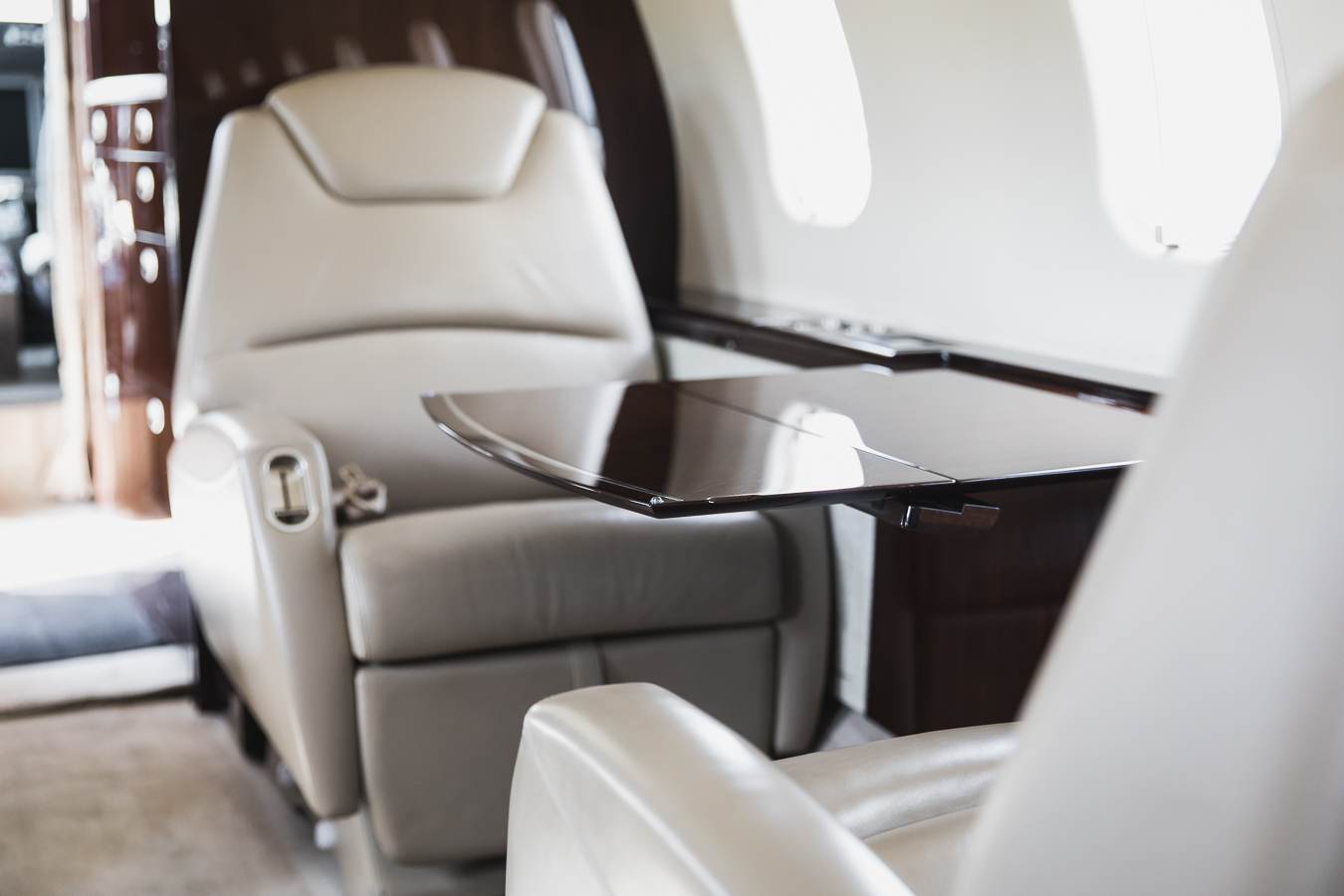
N453FD supports this style of travel by providing an environment where passengers can remain productive throughout the mission. The aircraft’s cabin serves not only as transportation but also as a temporary workspace, planning environment, and transition point between major responsibilities.
Common inflight activities frequently include:
Meeting Preparation
Reviewing materials, presentations, reports, and project updates before arrival.
Team Discussions
Coordinating priorities, discussing opportunities, and maintaining communication between destinations.
Strategic Planning
Utilizing travel time to evaluate initiatives, schedules, and operational objectives.
Personal Transition Time
Allowing travelers to prepare mentally for upcoming commitments or decompress following important meetings.
The ability to utilize flight time effectively contributes significantly to the overall value of private aviation.

What Passengers Remember Long After the Flight Ends
Performance specifications remain important, but they rarely tell the entire story. Passengers often remember how an aircraft felt throughout the journey more than the exact speed at which it traveled.
Elements that frequently influence passenger experience include:
- Ease of cabin movement
- Seating arrangements
- Accessibility of baggage
- Cabin noise environment
- Privacy considerations
- Connectivity options
- Passenger interaction space
- Overall cabin functionality
Small Details That Influence the Overall Experience
Many aspects of passenger comfort are subtle enough that they often go unnoticed until they are absent. Ease of movement, access to storage, cabin layout, personal space, and the ability to transition naturally between activities all contribute to how travelers perceive the flight. These details may not appear prominently on specification sheets, yet they frequently shape the overall impression passengers take away from the journey.
Cabin Layout Flexibility Across Different Mission Profiles
One of the strengths of the Challenger 300 platform is its ability to accommodate varying travel requirements without requiring significant changes in utilization. N453FD can support executive transportation, team travel, family transportation, ownership travel, and destination-specific missions while maintaining a consistent passenger experience.
The aircraft’s cabin environment adapts naturally to changing passenger needs throughout the year. Different travel profiles may require different uses of the space, yet the underlying cabin functionality remains effective across a broad range of transportation objectives.
This flexibility contributes to the aircraft’s long-term relevance throughout business aviation.
Why the Challenger 300 Continues to Be Utilized for Longer Missions
Certain aircraft become especially effective as flight duration increases. The Challenger 300 platform continues to be widely utilized because it combines range capability with a cabin environment that remains practical throughout longer missions.
Passengers traveling across multiple regions or spending extended periods onboard often place greater value on space, accessibility, and comfort. The aircraft’s ability to support these priorities while maintaining operational performance helps explain its continued presence throughout corporate and private aviation fleets.
For many travelers, longer flights provide the clearest demonstration of the platform’s strengths.
How Passenger Comfort Influences the Overall Travel Day
Comfort is often discussed as a luxury feature, yet it frequently carries operational implications as well. Travelers arriving prepared, focused, and ready to engage with clients, facilities, projects, or stakeholders often benefit from an environment that supports productivity throughout the journey.
N453FD provides a setting where passengers can remain engaged during transit while reducing some of the fatigue commonly associated with longer travel days. This relationship between comfort and efficiency helps explain why cabin environment remains an important consideration in aircraft selection.
The aircraft’s role extends beyond transportation alone. It supports travelers whose responsibilities continue before, during, and after the flight itself.
N453FD Within Flight Group Corporation’s Managed Fleet
Within Flight Group Corporation’s fleet, N453FD frequently aligns with travelers who place significant value on the onboard experience. While other aircraft may be selected primarily for itinerary complexity, destination access, or schedule management, N453FD often supports travel profiles where passenger comfort and cabin functionality become central considerations.
Its combination of cabin dimensions, baggage capacity, passenger accommodations, and operational flexibility allows it to support a broad variety of missions while maintaining a consistent onboard experience. This distinction helps define its role within Flight Group Corporation’s super midsize fleet.
The aircraft remains a practical resource for travelers who expect transportation to support productivity, collaboration, and comfort throughout the journey.
For travelers who spend substantial time aboard the aircraft, the onboard environment often becomes part of the transportation decision itself. N453FD continues to support those requirements by combining the operational strengths of the Challenger platform with a cabin environment designed for longer missions, team travel, and productive time in transit. This balance helps distinguish the aircraft within Flight Group Corporation’s managed fleet.
Unlike aircraft that are frequently selected primarily for destination access or itinerary complexity, N453FD often aligns with travelers who place substantial value on the onboard experience itself. Its role within the fleet reflects the importance of maintaining a productive and comfortable environment throughout longer travel days while supporting a wide variety of passenger requirements.
Operational Oversight Supporting the N453FD Passenger Experience
Passenger experience begins long before travelers board the aircraft. Maintenance planning, cabin preparation, aircraft readiness, operational coordination, compliance oversight, and crew support all contribute to the consistency passengers experience during the mission.
Within Flight Group Corporation’s management structure, N453FD benefits from ongoing operational oversight designed to maintain aircraft readiness while supporting long-term stewardship of the platform.
Areas of focus include:
- Maintenance planning
- Aircraft readiness
- Cabin preparation
- Compliance management
- Inspection coordination
- Records oversight
- Crew support
- Operational documentation
These efforts help support the consistency expected from a professionally managed aircraft.

Mission Planning for Bombardier Challenger 300 N453FD
Every mission introduces a unique combination of passenger requirements, destinations, scheduling priorities, baggage considerations, and operational objectives. Understanding these details helps determine how N453FD may support the travel profile being planned.
Some travelers prioritize productivity during flight. Others may focus on team travel, passenger accommodations, longer mission comfort, or overall cabin functionality. Evaluating these factors early helps align aircraft utilization with the broader goals of the trip.
For organizations and individuals seeking a super midsize aircraft that combines operational capability with a passenger-focused cabin environment, N453FD remains a versatile platform capable of supporting a broad range of travel requirements throughout North America.
Discuss Bombardier Challenger 300 N453FD Availability and Passenger Requirements
Every travel requirement presents a different combination of passenger needs, mission objectives, scheduling considerations, baggage requirements, and destination priorities. Understanding these details helps determine how N453FD may best support the transportation objectives being considered.
Flight Group Corporation reviews each inquiry based on the specific operational and passenger considerations involved. Whether the mission involves executive transportation, team travel, ownership use, regional mobility, or longer-distance travel requirements, evaluating these details early helps align planning with the overall purpose of the trip.
Information submitted below is reviewed by the appropriate team members to better understand passenger requirements, mission objectives, operational considerations, and aircraft availability.


