Bombardier Challenger 300 – N985KM: Mission-Ready Performance Within Flight Group’s Fleet

The Bombardier Challenger 300 – N985KM represents the combination of aircraft capability, operational readiness, and structured oversight that remains essential in modern business aviation. As part of Flight Group Corporation's managed fleet, N985KM supports executive transportation, ownership travel, corporate scheduling requirements, and destination-focused missions through a platform recognized for reliability and long-term operational performance.
Registration
N985KM
Aircraft Registration
Seats
9 PAX
10th Belted Lav
Range
3,200 NM
Transcontinental Reach
Wifi/Phone
GOGO WiFi
Aircell 
Entertainment
Airshow
DVD-CD Player
Luggage
106 Cubic Feet
Accessible Storage
Lavatory
Private Lavatory
Stand-Up Vanity
Cabin Width
7 ft 2 in
Wide Cabin Comfort
Cabin Length
25 ft 2 in
Super Midsize Cabin
Cabin Height
6 ft 1 in
Full Standing Height

View the Bombardier Challenger 300 – N985KM

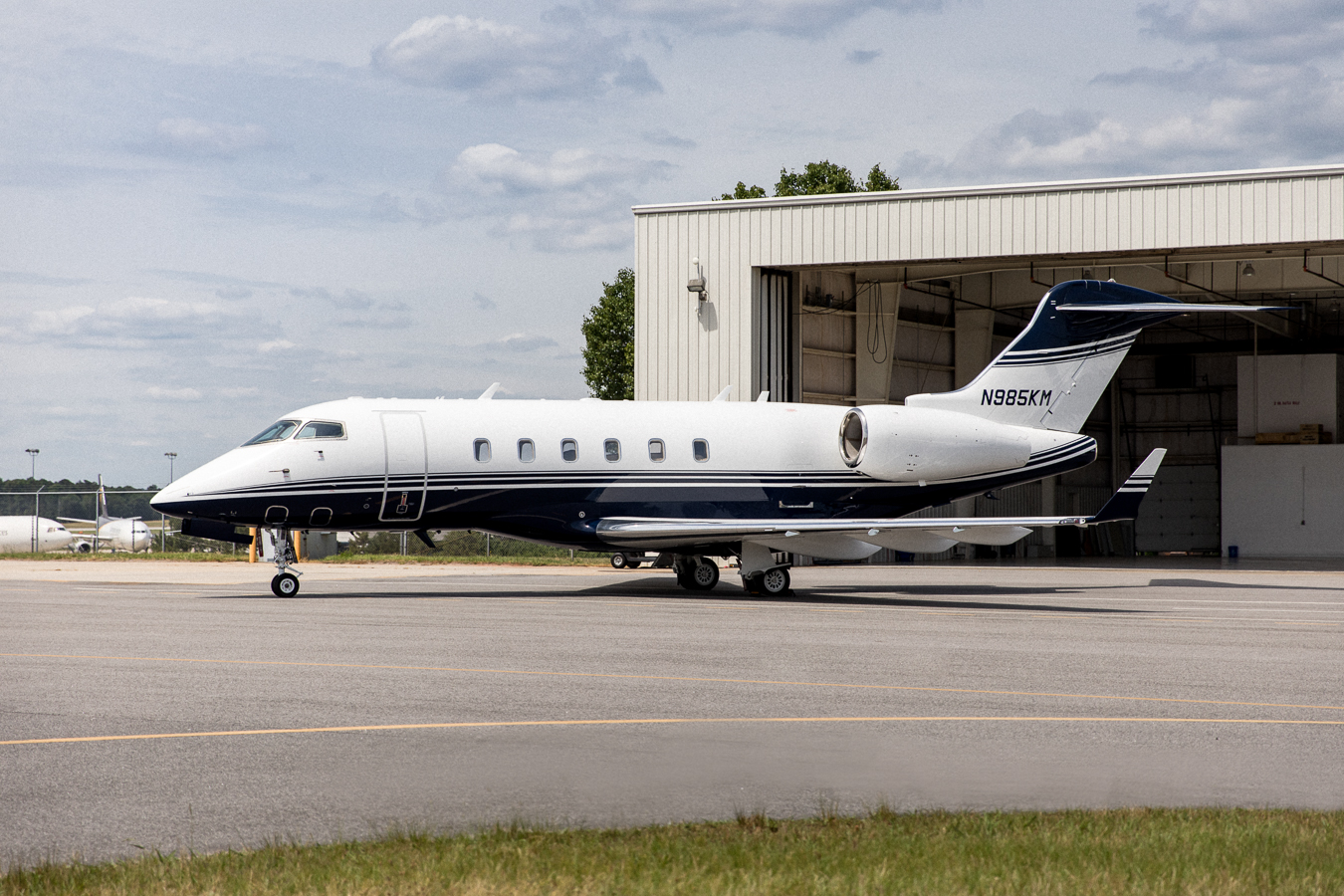
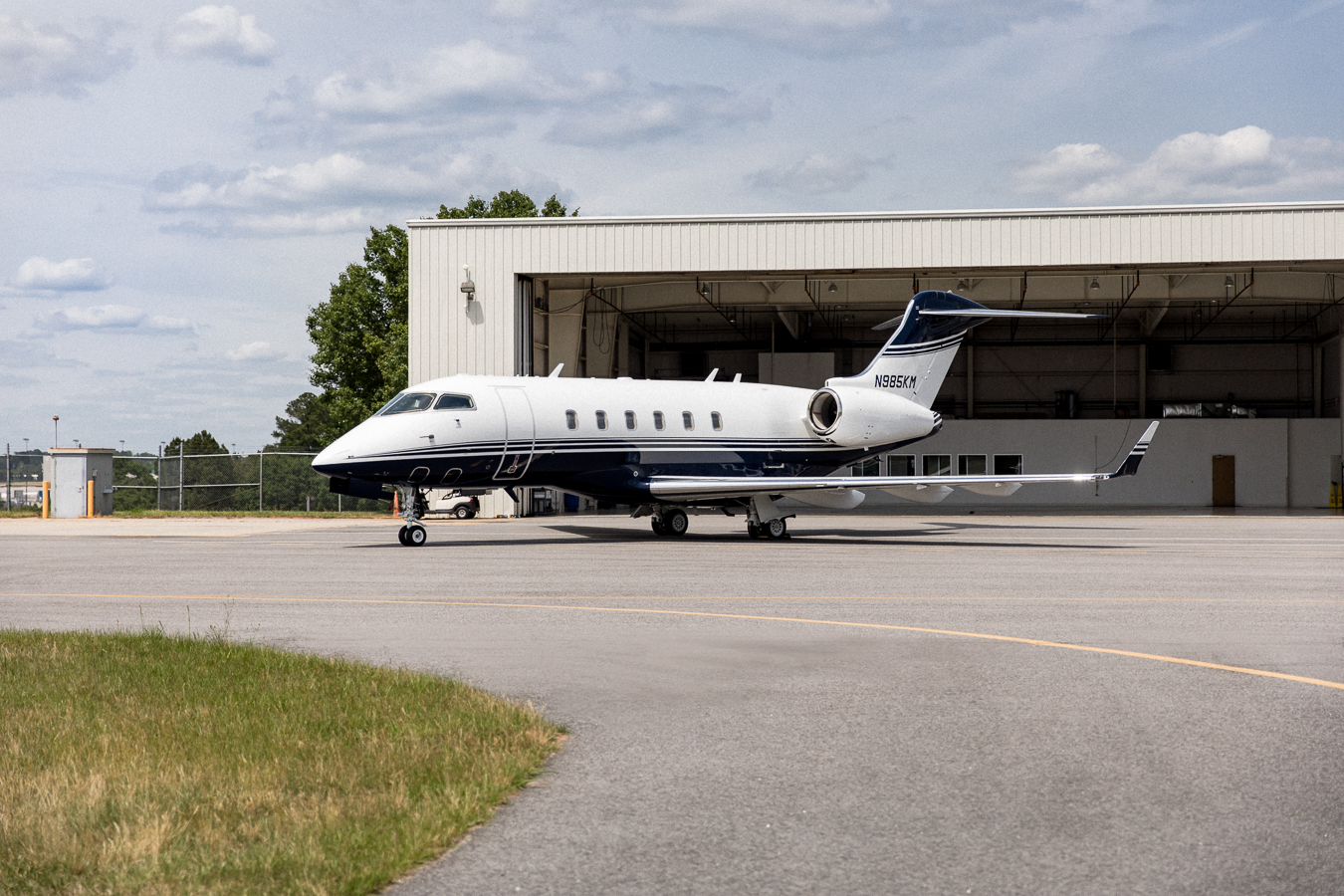
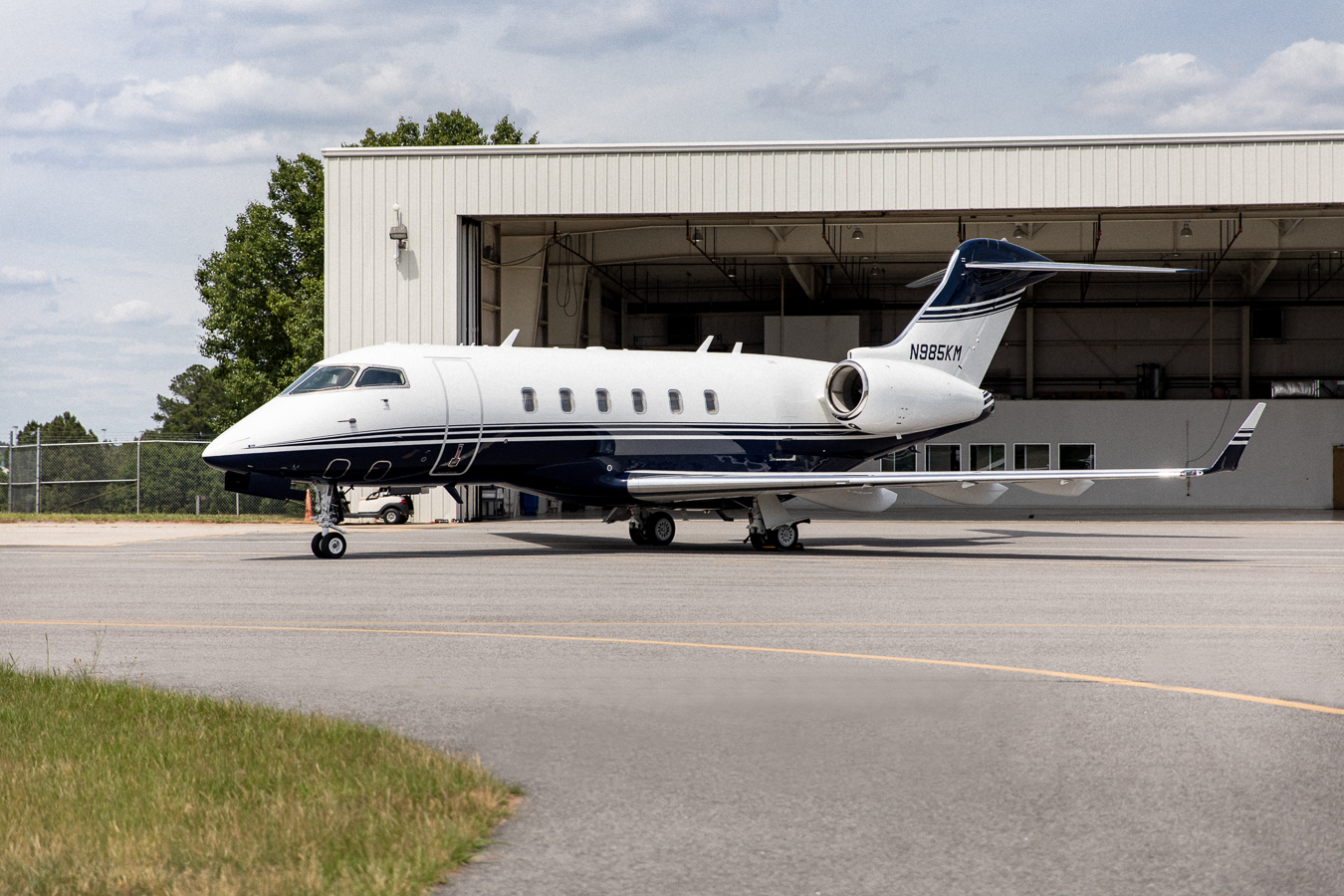
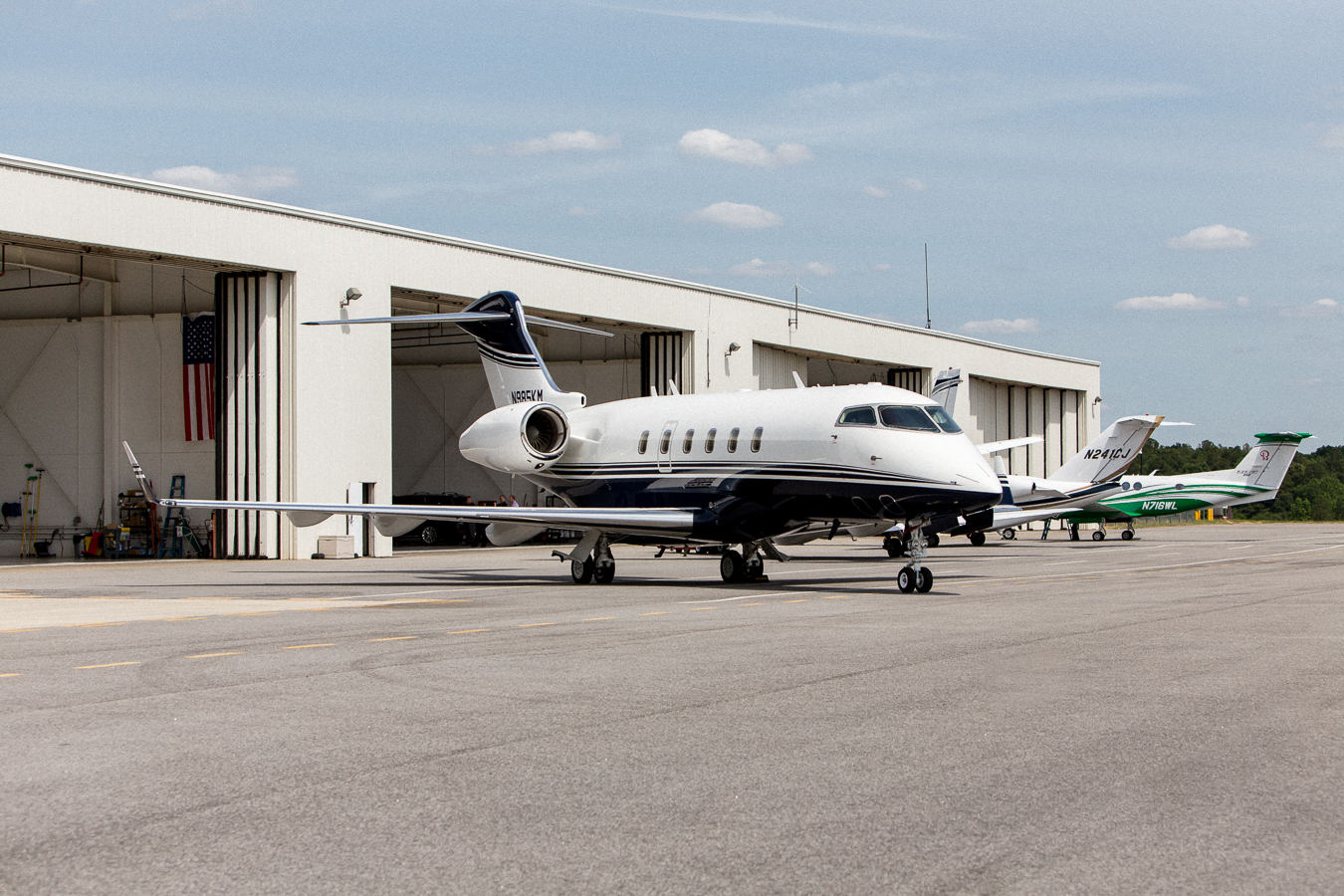
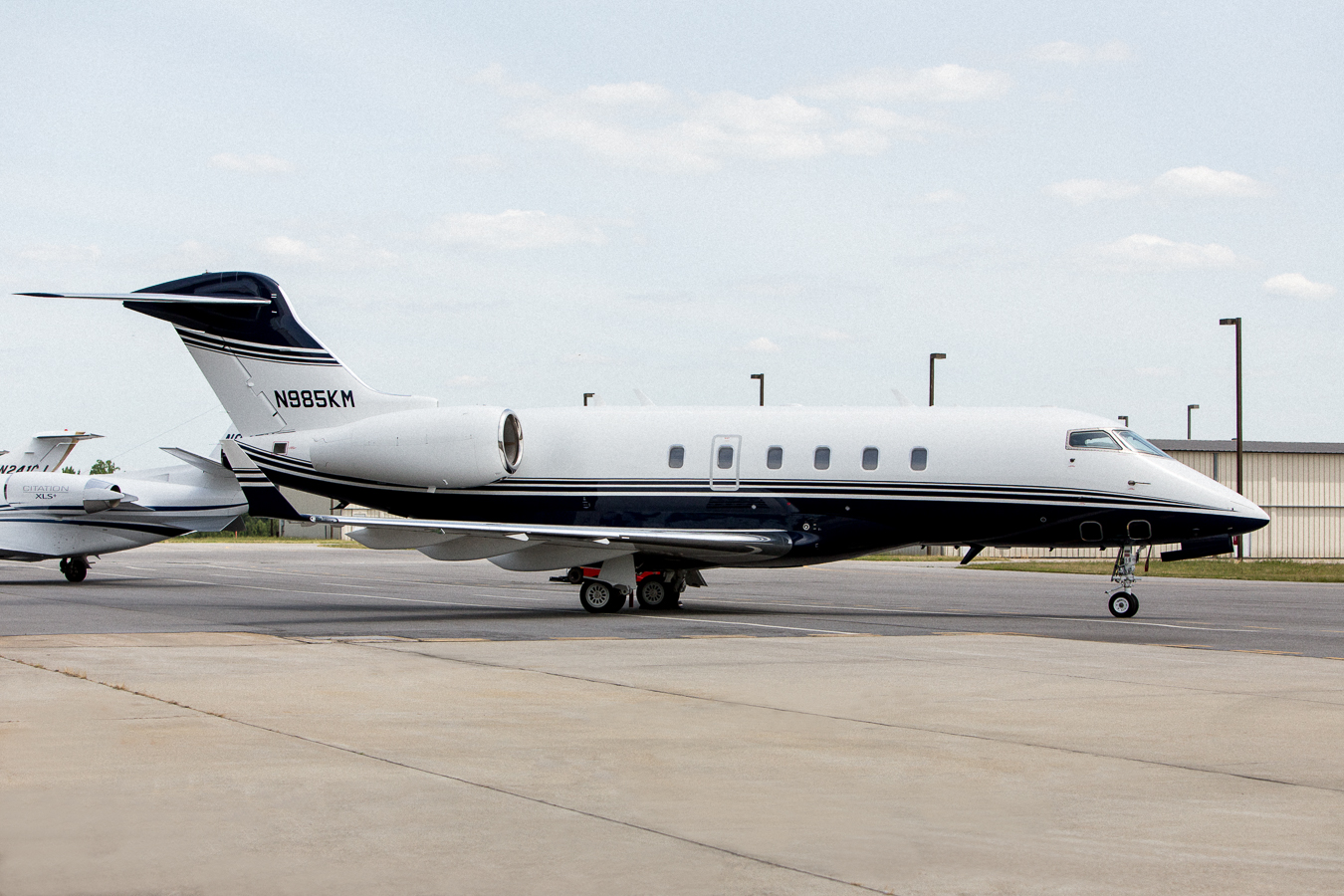
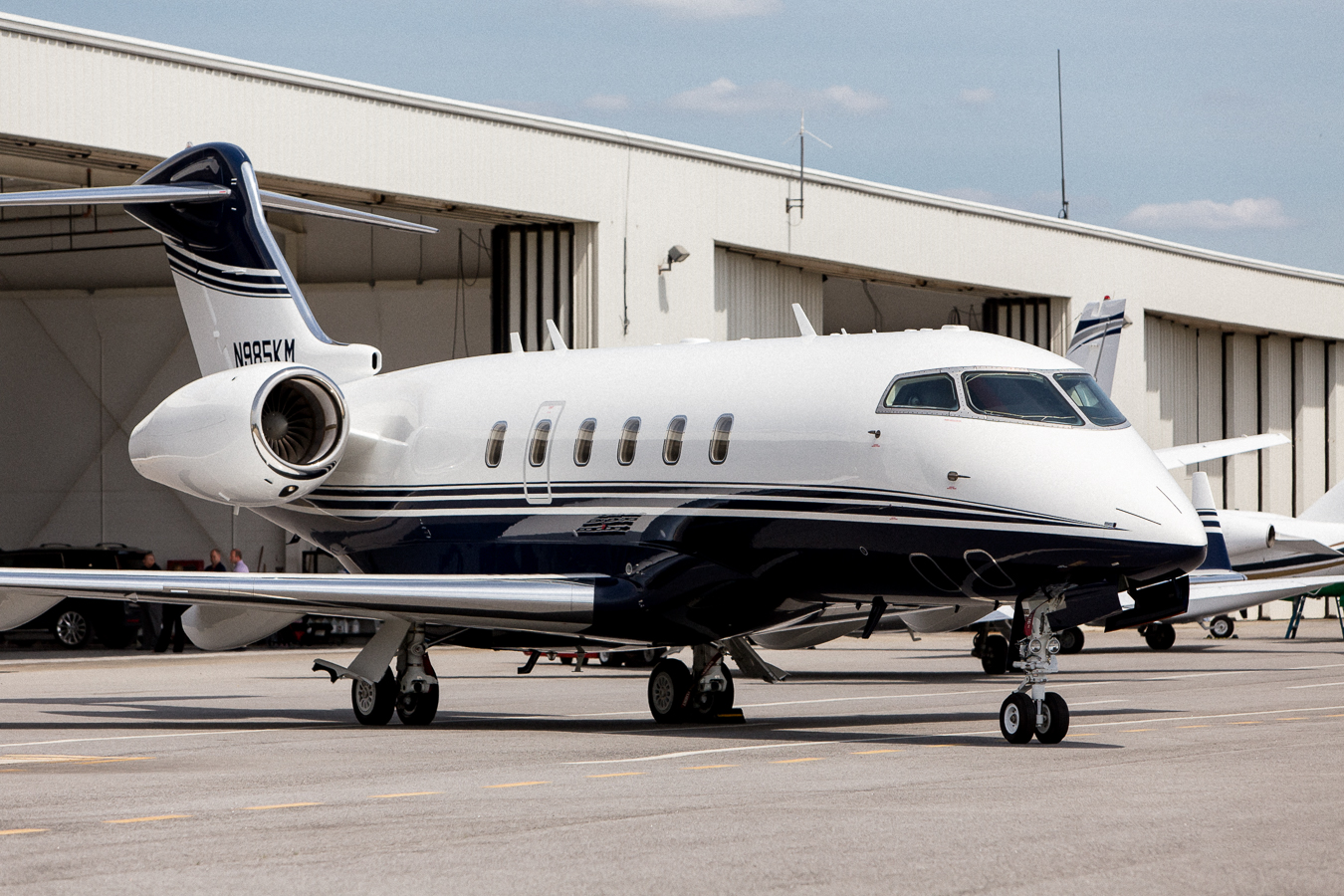
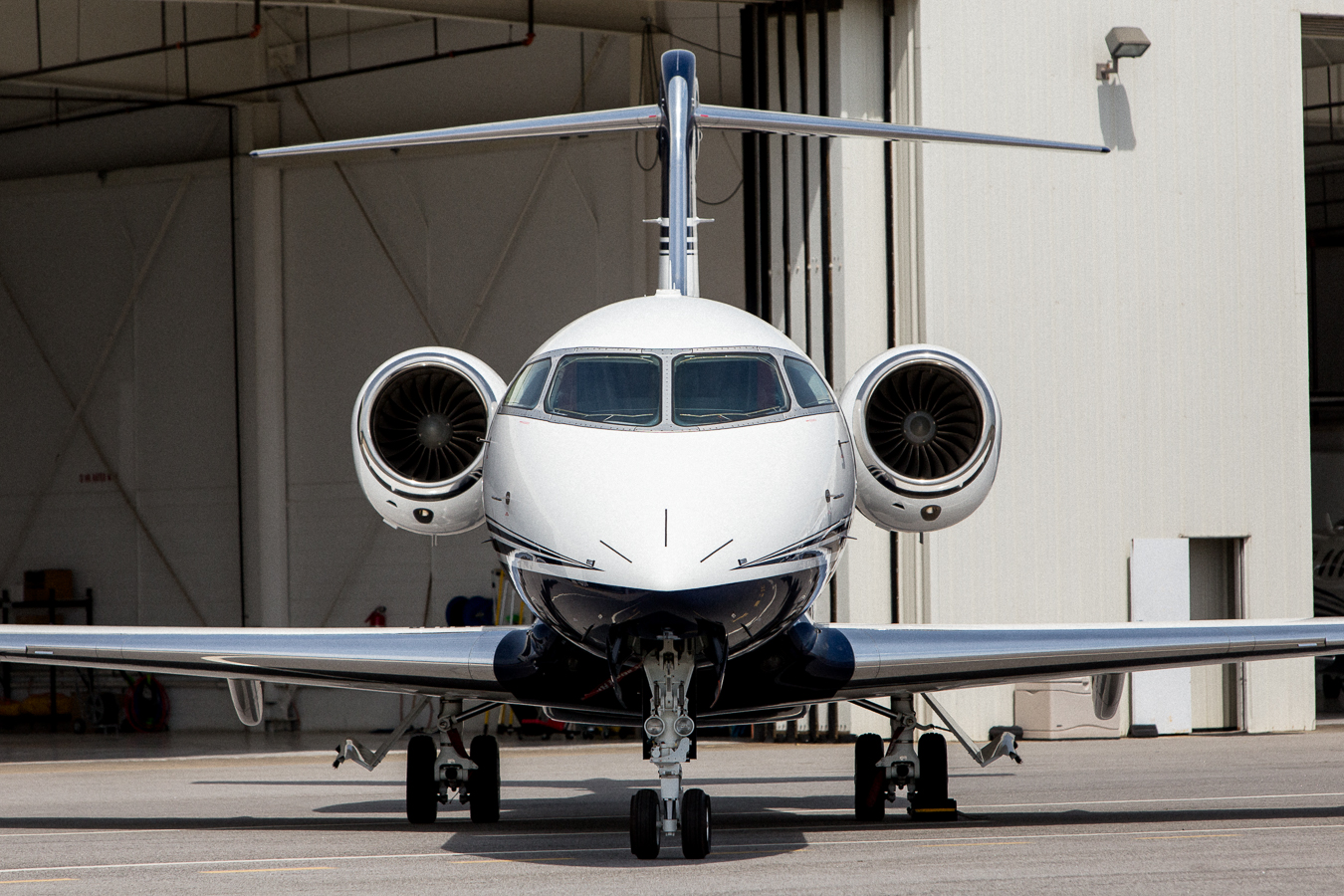
Challenger N985KM Hangar Front Profile View, Front view of Bombardier Challenger N985KM parked in front of a hangar with engines idle.

Bombardier Challenger 300 N985KM and the Operational Foundation Behind Every Mission

The Bombardier Challenger 300 – N985KM represents a side of business aviation that passengers rarely see but often depend upon. While much of the industry focuses on aircraft specifications, cabin amenities, and destination capabilities, successful aircraft operations are built upon preparation, planning, oversight, and long-term stewardship. Every departure depends on a foundation of work that begins long before the aircraft reaches the runway.

As part of Flight Group Corporation’s managed fleet, N985KM supports executive transportation, ownership travel, corporate scheduling requirements, and destination-oriented missions through a platform recognized for its operational consistency. The aircraft’s role extends beyond transportation itself. It reflects the broader framework required to maintain readiness throughout the year while supporting evolving travel demands.

For many organizations and aircraft owners, reliability is not measured by a single flight. It is measured through the ability to consistently support transportation objectives over months and years of operation. N985KM aligns closely with that philosophy and remains an important component of Flight Group Corporation’s managed fleet strategy.

Readiness Is Created Through Thousands of Small Decisions

Aircraft readiness is rarely the result of a single action. Instead, it is built through a continuous series of operational decisions that occur throughout the life of the aircraft. Maintenance planning, inspection scheduling, documentation management, vendor coordination, crew logistics, compliance oversight, and long-term forecasting all contribute to maintaining operational continuity.

Many of these responsibilities occur entirely behind the scenes. Passengers may never see the work involved, yet every successful mission depends upon it. N985KM benefits from an operational approach that recognizes readiness as an ongoing process rather than an event that occurs immediately before departure.

This perspective becomes increasingly important as aircraft utilization increases and mission requirements become more diverse.


Why Operational Consistency Often Matters More Than Raw Capability

Aircraft specifications provide valuable information, but operational consistency is often what determines how effectively an aircraft supports real-world transportation requirements. An aircraft may offer impressive performance numbers, yet the true measure of its value frequently lies in its ability to remain available, dependable, and prepared to support changing mission demands.

N985KM supports a wide range of travel profiles throughout the year, including executive transportation, ownership travel, destination-focused missions, and recurring transportation requirements. Maintaining readiness across these varying mission profiles requires structured oversight and long-term planning.

For organizations that depend on aviation as a transportation resource, consistency often becomes one of the most important factors in evaluating aircraft performance.

Operational Readiness Is Not Created Overnight

Aircraft readiness is often viewed as a condition, but in practice it functions more like a continuous process. Planning activities, maintenance forecasting, records management, compliance tracking, vendor relationships, and operational reviews all contribute to maintaining the aircraft’s ability to support future missions.

The work involved frequently occurs over extended periods of time and requires coordination across multiple disciplines. N985KM benefits from this structured approach to readiness, helping ensure the aircraft remains prepared to support changing transportation requirements rather than reacting to them.

For aircraft owners and operators, readiness is rarely defined by what happens on the day of departure. It is often determined by the decisions made weeks and months beforehand.

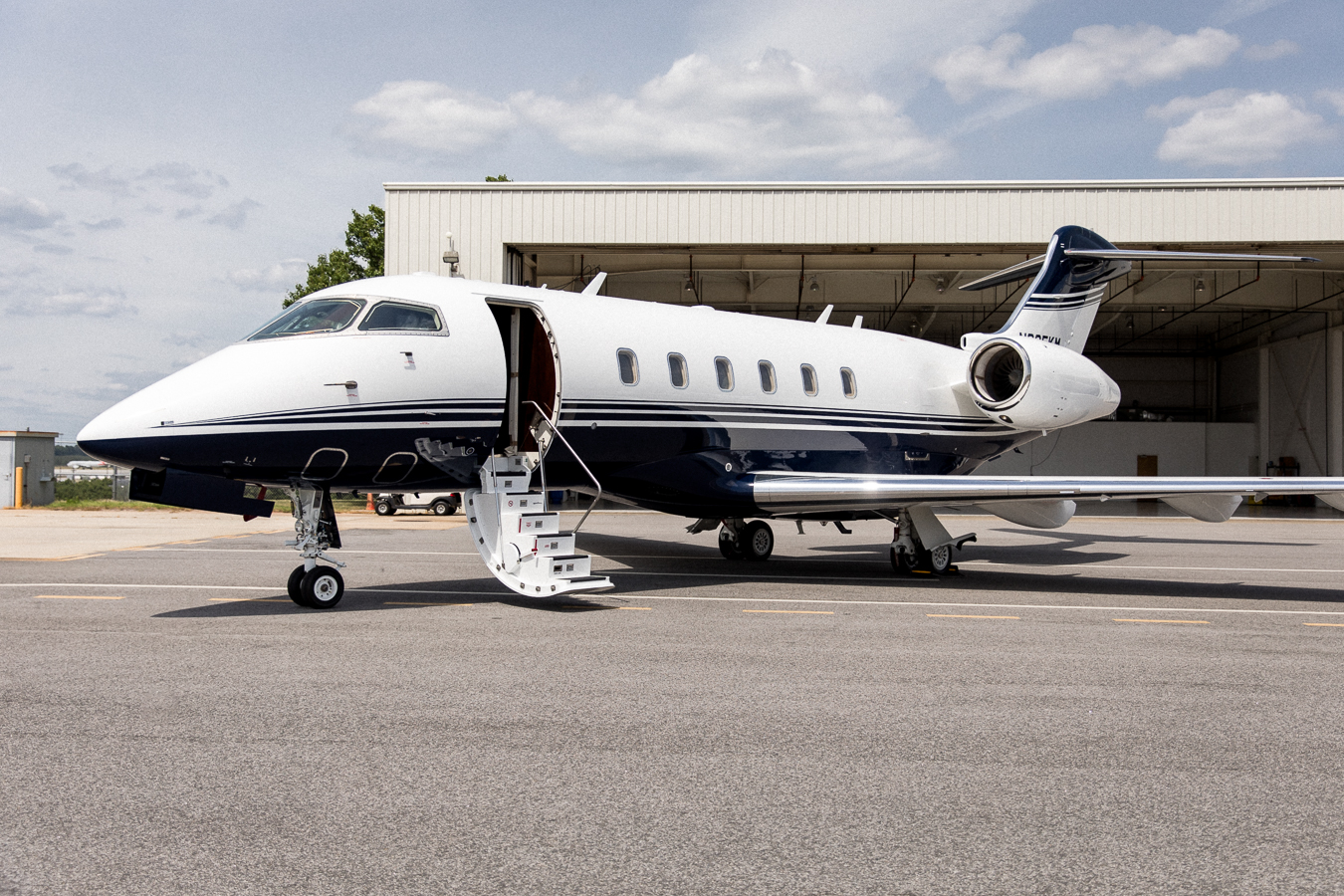
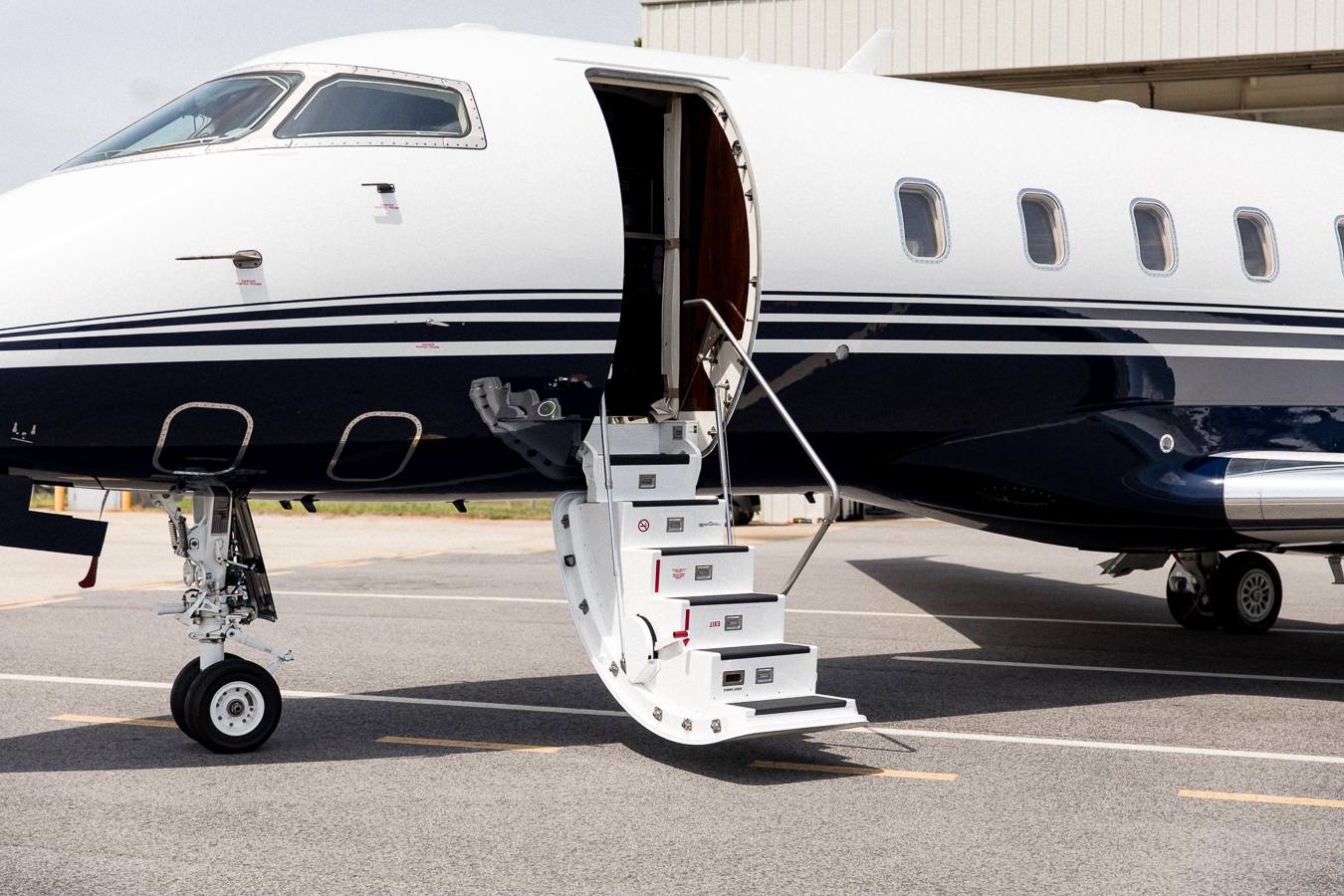
Challenger N985KM Open Door & Stairway Ramp View, Side view of Bombardier Challenger N985KM with main cabin door open and air stairs extended on airport ramp.
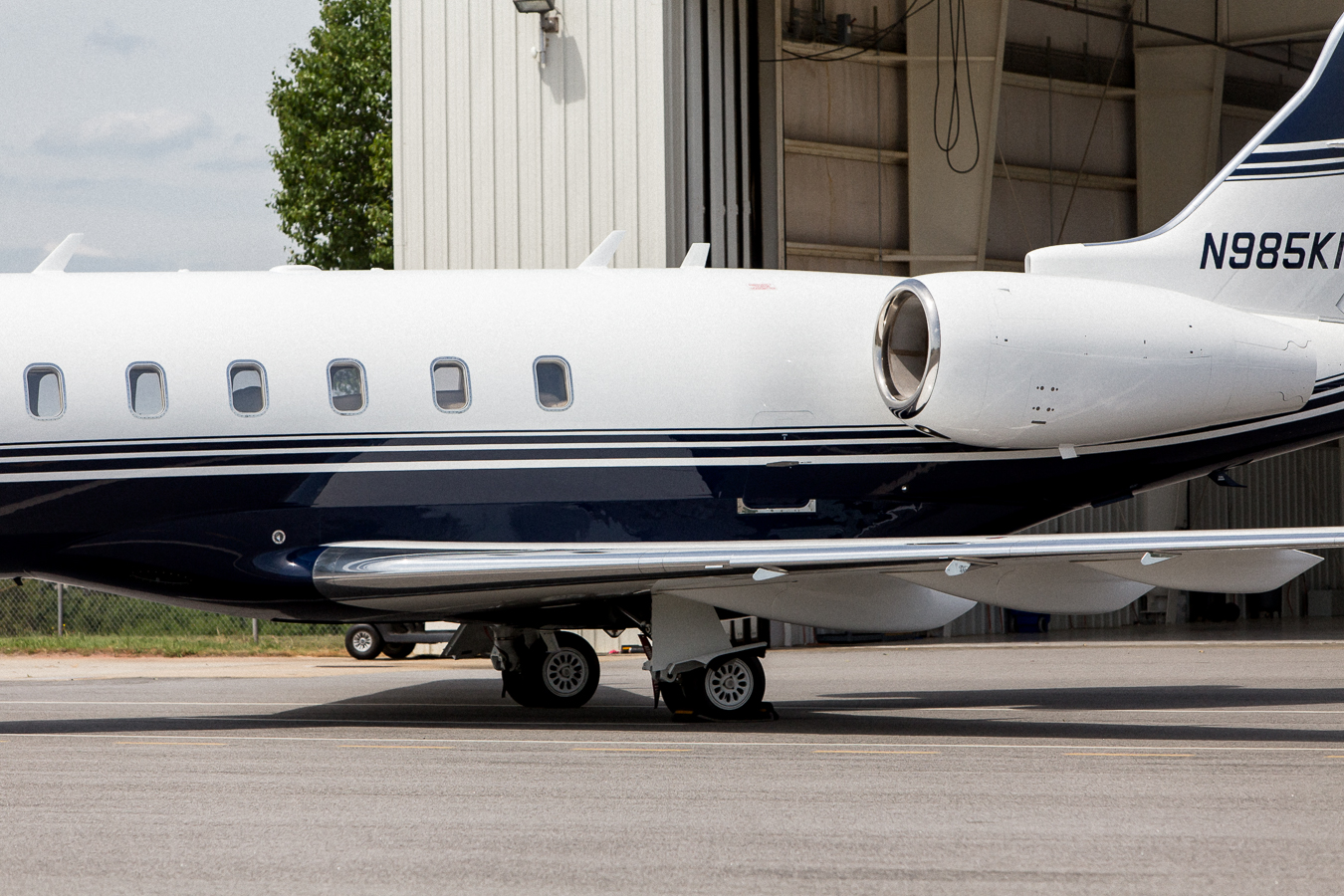
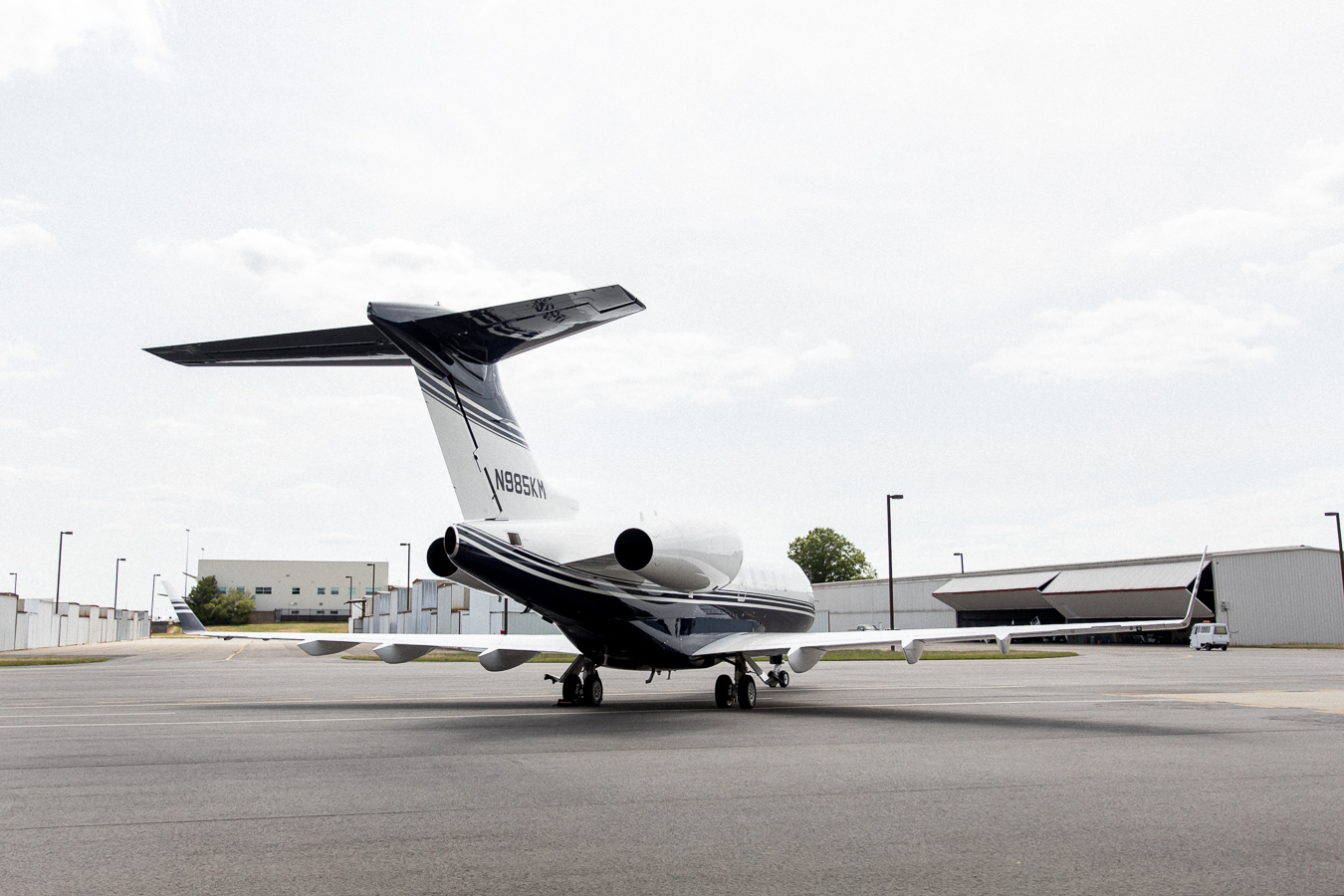
Challenger 300 N985KM on tarmac under clear skies, configured for corporate jet management,

The Challenger 300 Platform and Its Long-Term Reputation

The Challenger 300 did not become one of the most successful super midsize aircraft platforms through performance alone. Its reputation was established through years of reliable service across corporate flight departments, aircraft management programs, private ownership operations, and charter fleets throughout North America.

N985KM benefits from this legacy while continuing to support modern transportation requirements. The aircraft remains relevant because it successfully balances operational capability, passenger accommodations, airport accessibility, and long-term utility within a single platform.

Its continued presence throughout business aviation reflects a level of trust earned through sustained operational performance rather than short-term market trends.


Supporting Aircraft Availability Requires More Than Maintenance

Maintenance is one component of aircraft readiness, but it represents only part of a much larger operational picture. Aircraft availability is influenced by numerous interconnected factors that must be managed simultaneously.

Areas contributing to aircraft readiness include:

Maintenance Planning

Coordinating scheduled maintenance requirements while minimizing operational disruption.

Inspection Oversight

Managing required inspections and documentation to support continued aircraft operation.

Aircraft Records Management

Maintaining detailed records that support compliance, operational planning, and long-term asset preservation.

Vendor Coordination

Working with maintenance providers, service organizations, suppliers, and operational partners.

Crew Support

Coordinating flight crews, scheduling requirements, and operational logistics.

Compliance Monitoring

Supporting adherence to regulatory and operational requirements throughout the aircraft’s lifecycle.

Together, these functions help maintain the operational consistency expected from a professionally managed aircraft.

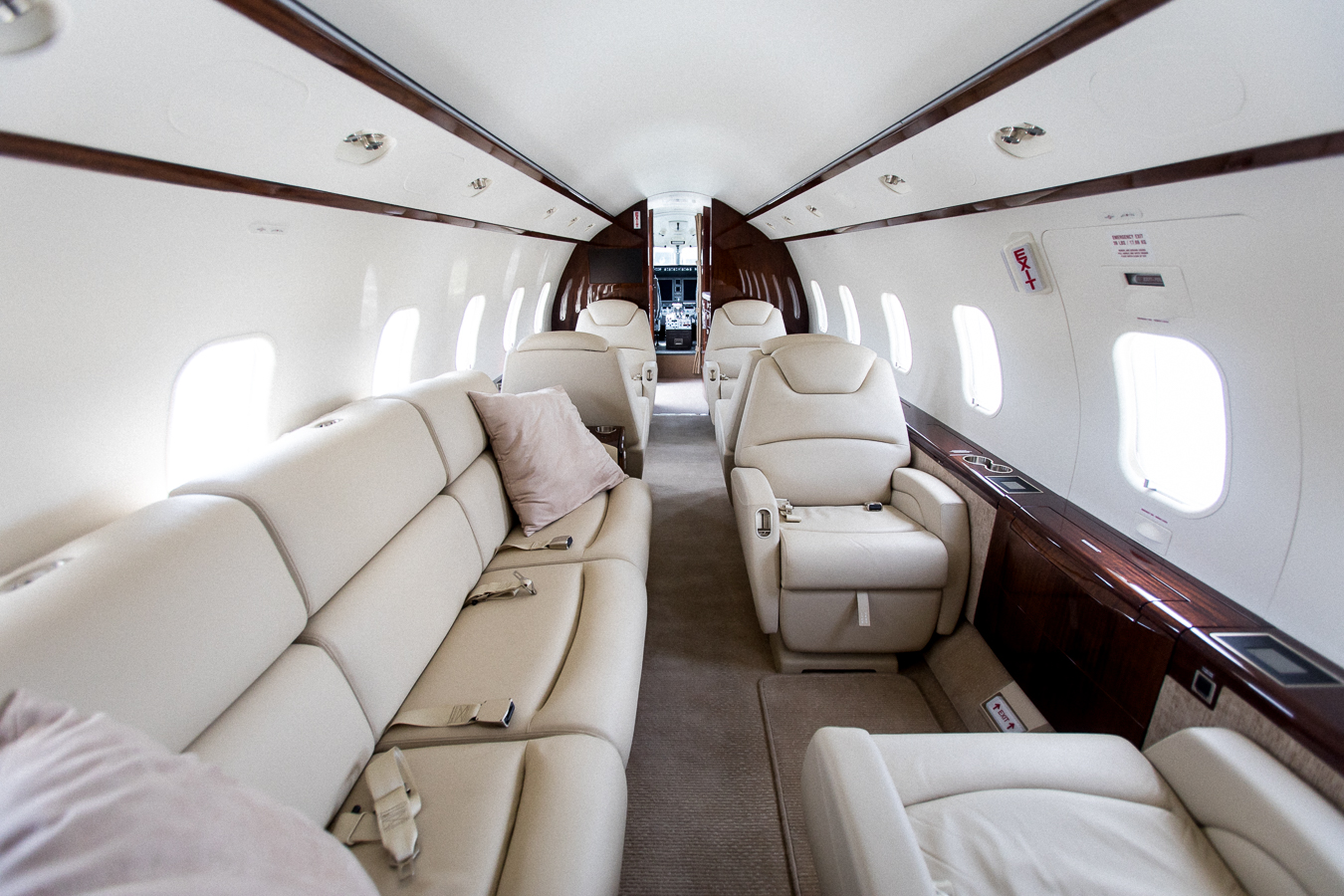
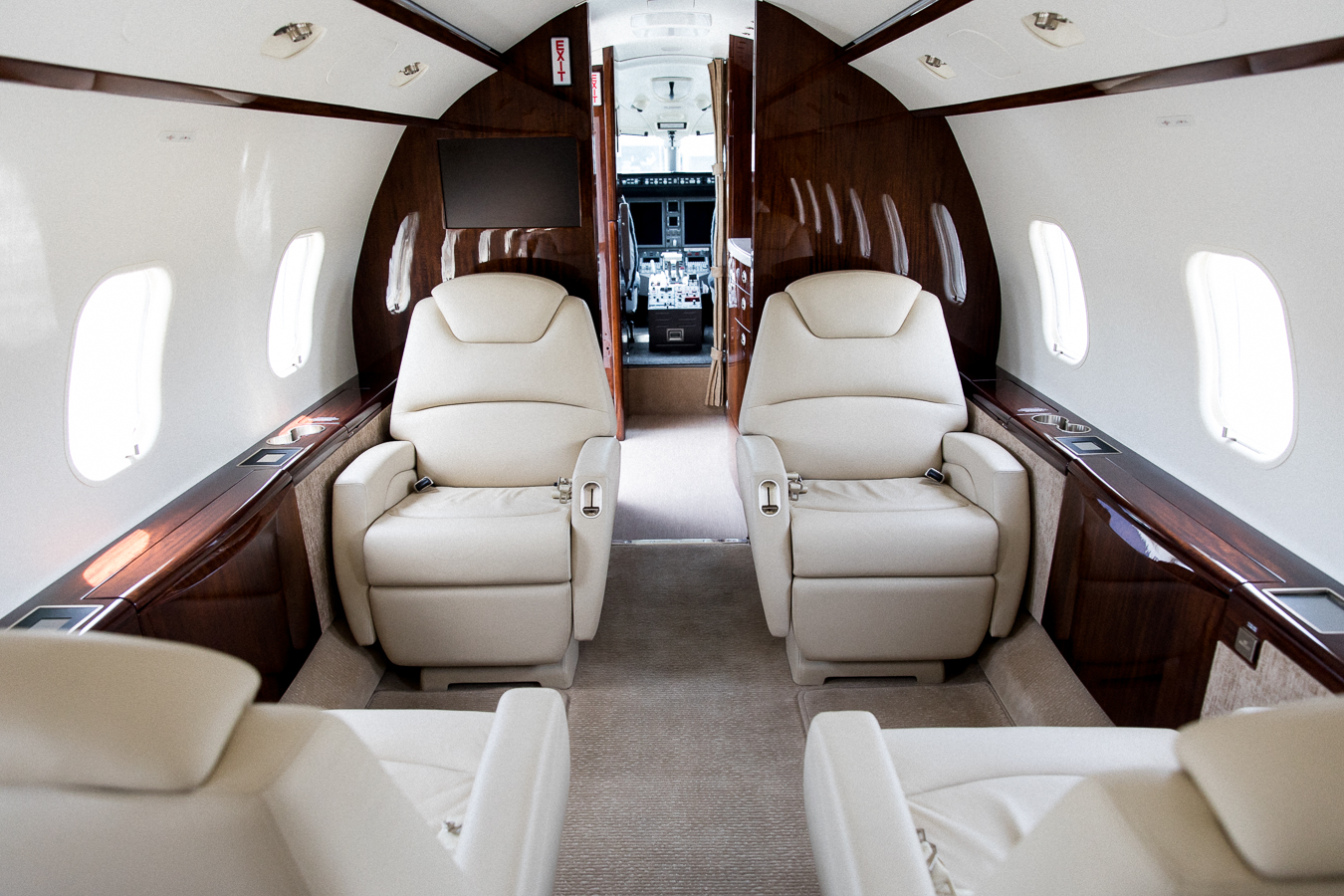
Centerline view of Bombardier Challenger 300 N985KM cabin showcasing passenger seating, aisle access, and executive accommodations.
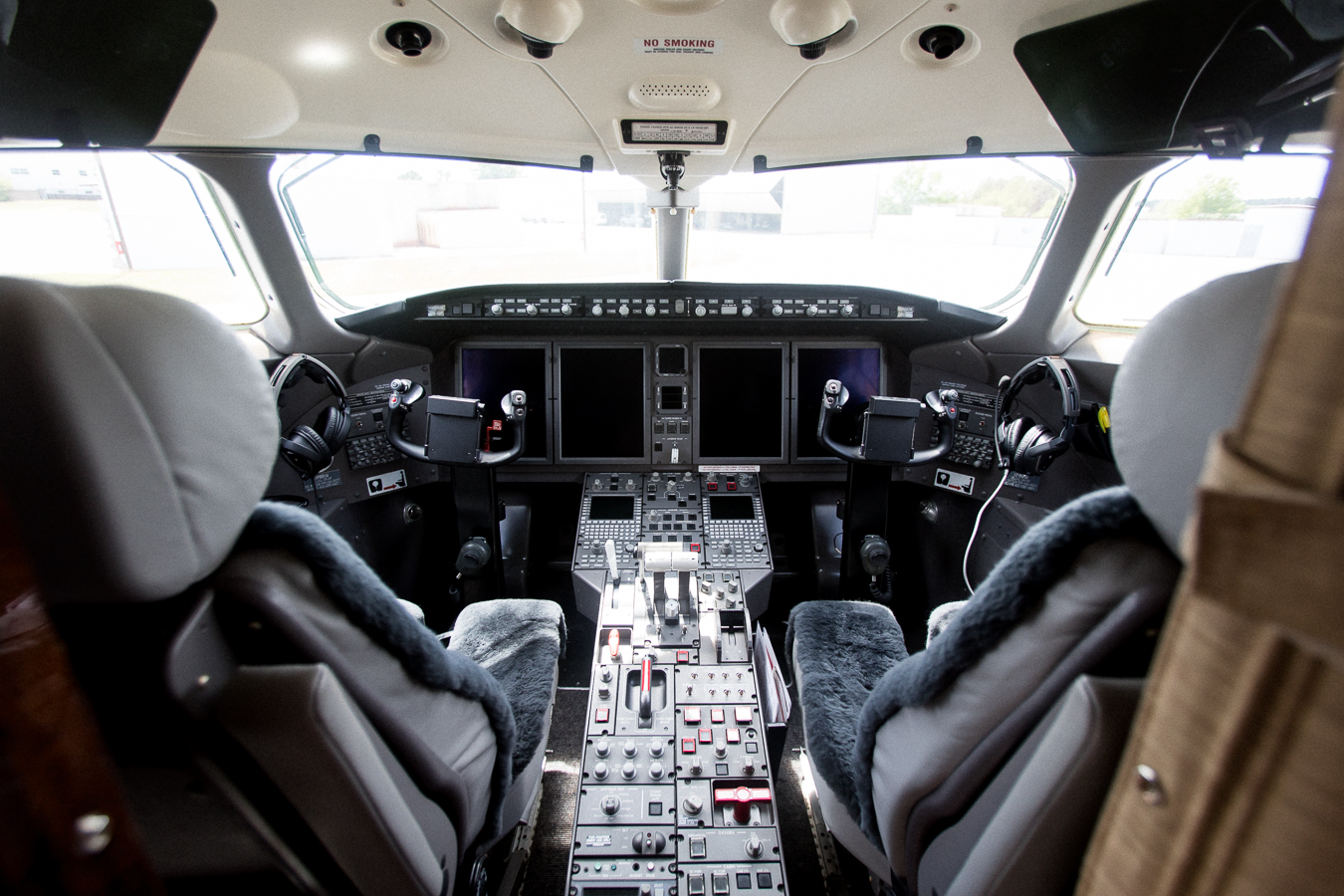
Cockpit of N985KM featuring avionics panel and dual pilot seats, private jet cockpit interior, N985KM flight deck, avionics suite close-up, twin pilot jet controls, business jet flight controls, cockpit instrumentation, FGC managed aircraft cockpit, executive aircraft control panel

Reliability Is Often Measured Across Years Rather Than Flights

Individual flights provide only a snapshot of aircraft performance. Reliability is more accurately measured through the aircraft’s ability to continue supporting transportation objectives over time.

Organizations utilizing aircraft regularly often develop a different perspective on value. Rather than focusing exclusively on individual trips, they evaluate how effectively an aircraft supports ongoing mobility requirements, changing schedules, evolving business priorities, and long-term transportation strategies.

N985KM contributes to these objectives through a platform designed to support repeatable performance while benefiting from structured oversight and long-term operational management.

How Structured Aircraft Management Protects Long-Term Value

An aircraft represents both a transportation resource and a significant long-term asset. Maintaining value requires more than keeping the aircraft operational. Documentation quality, maintenance history, operational consistency, compliance management, and long-term stewardship all contribute to preserving the aircraft over time.

N985KM benefits from an approach that recognizes the connection between operational management and asset preservation. Decisions made today can influence aircraft condition, utilization flexibility, and long-term value years into the future.

This broader perspective helps support both immediate transportation requirements and future ownership objectives.

Long-term aircraft value is influenced by far more than utilization alone. Maintenance history, operational discipline, documentation quality, inspection records, and overall stewardship can all affect how an aircraft performs as an asset over time. N985KM benefits from an approach that recognizes these relationships and supports both current operational needs and future ownership considerations.

Supporting Executive Mobility Through Structured Oversight

Executive transportation frequently involves schedules that leave little room for uncertainty. Meetings, site visits, ownership responsibilities, client engagements, strategic planning initiatives, and corporate events often depend on transportation operating as expected.

N985KM supports these travel profiles through a combination of aircraft capability and operational preparation. While passengers experience the mission itself, significant planning and coordination often occur before the aircraft ever departs.

This behind-the-scenes work helps create the consistency that many travelers expect when utilizing professionally managed aircraft.

Consistency Becomes a Strategic Advantage

Organizations that utilize aircraft regularly often view transportation differently than occasional travelers. As schedules become more complex and operational demands increase, consistency frequently becomes more valuable than isolated performance metrics. The ability to depend on an aircraft to support evolving transportation requirements can influence planning, scheduling, and broader mobility strategies throughout the year.

N985KM supports this philosophy through a combination of aircraft capability and structured oversight. Rather than focusing solely on individual trips, the aircraft’s role within Flight Group Corporation’s fleet reflects the importance of maintaining a transportation resource that remains prepared to support ongoing requirements over time.

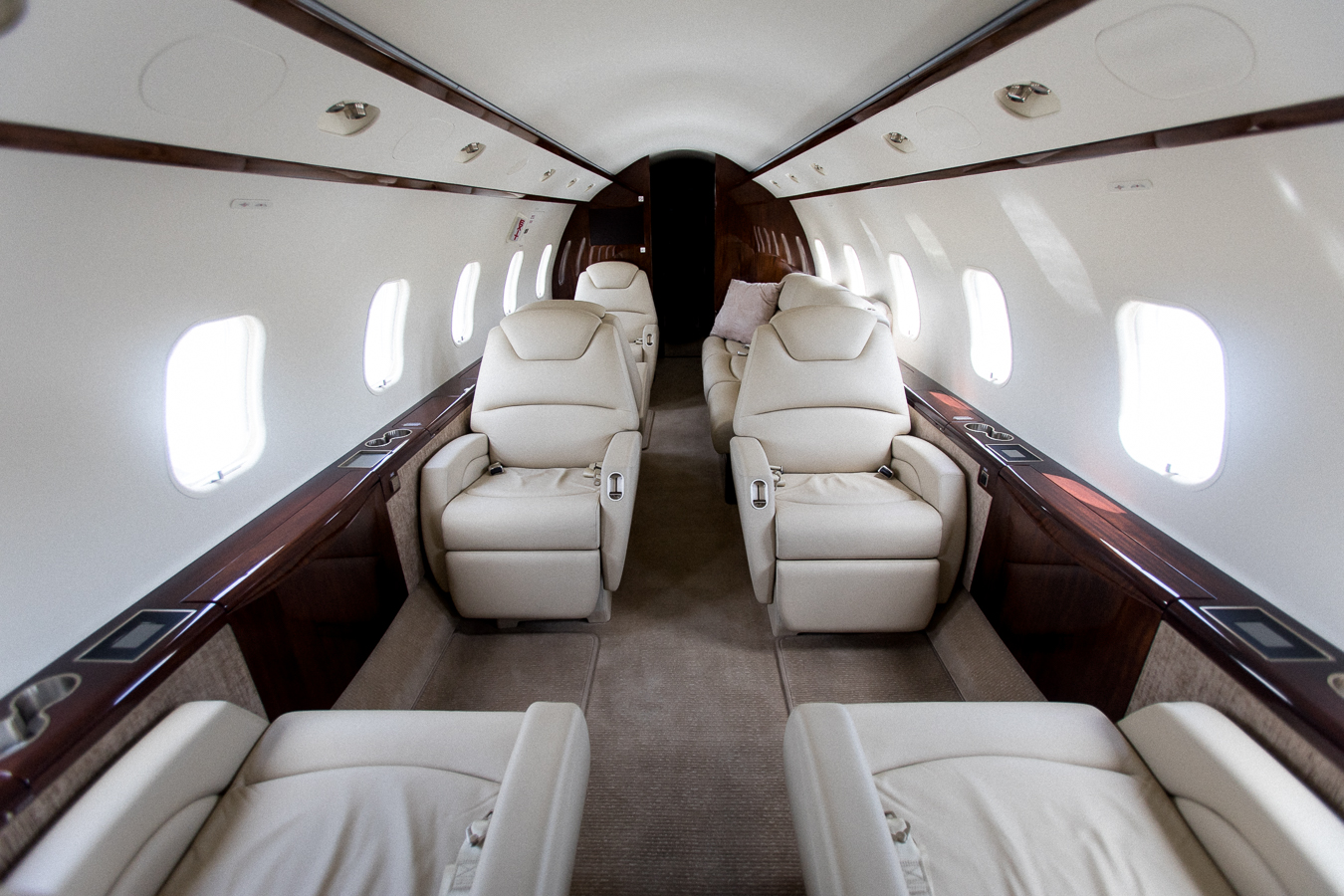
Bombardier Challenger 300 N985KM cabin viewed toward the galley and cockpit area showcasing executive seating and spacious cabin dimensions.
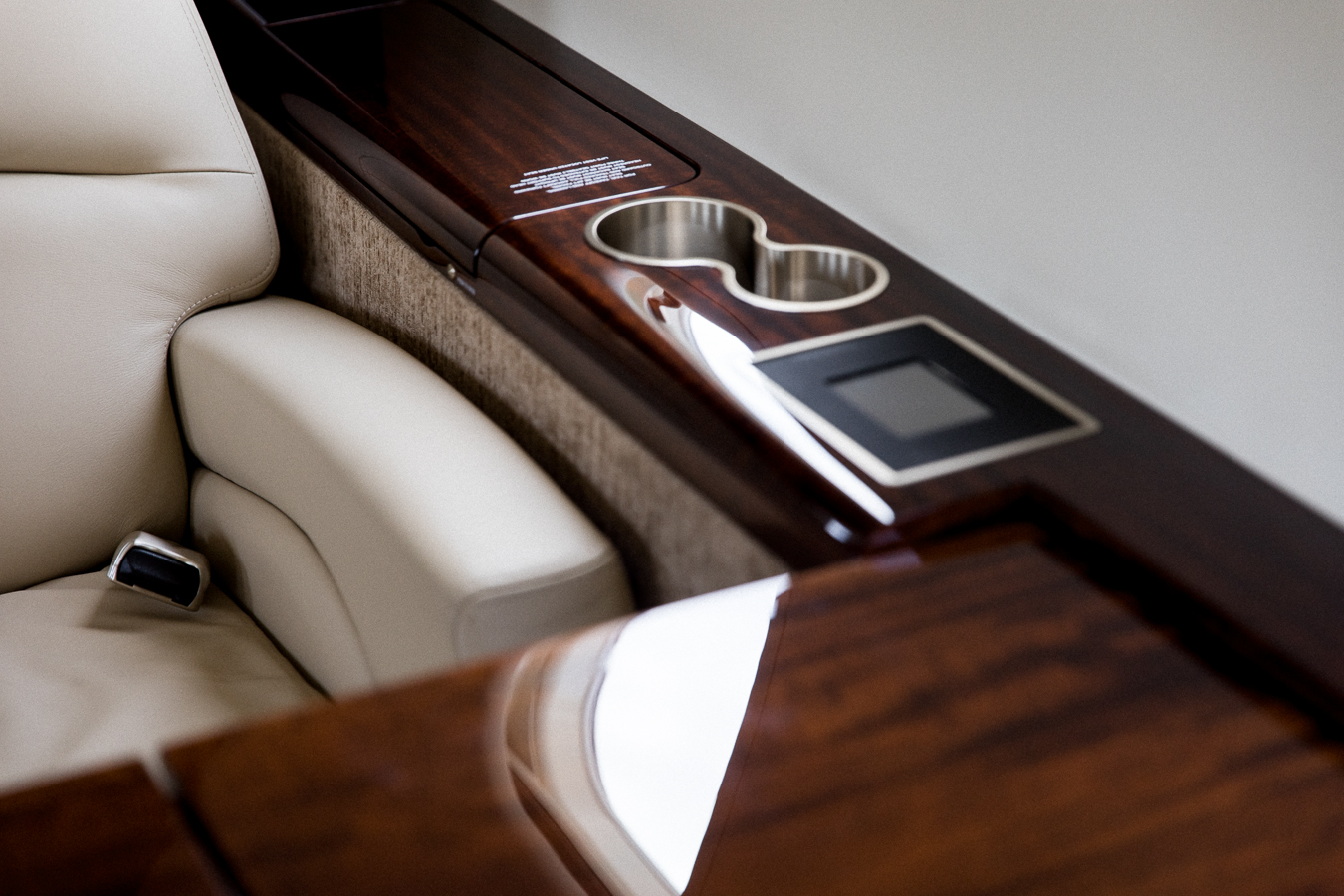
Fold-out executive work table inside Bombardier Challenger 300 N985KM designed to support productivity during business travel.

Mission Profiles Supported by N985KM

The versatility of the Challenger 300 platform allows N985KM to support a broad range of transportation objectives throughout North America.

Common mission profiles include:

Executive Transportation

Supporting leadership teams, executives, and decision-makers traveling between offices, facilities, and business markets.

Ownership Travel

Providing transportation aligned with personal schedules, family commitments, and business responsibilities.

Corporate Mobility

Supporting organizations whose transportation requirements vary throughout the year.

Destination-Focused Travel

Facilitating access to locations that may not align efficiently with traditional airline routing structures.

Recurring Transportation Requirements

Supporting travelers who maintain consistent travel schedules across multiple destinations and operational needs.

The ability to support these differing transportation objectives without requiring a specialized platform contributes to the Challenger 300’s long-standing reputation throughout business aviation. N985KM continues to serve a broad spectrum of travel requirements while maintaining the consistency and operational readiness expected from a professionally managed aircraft.

N985KM Within Flight Group Corporation's Managed Fleet

Within Flight Group Corporation’s fleet, N985KM frequently aligns with travelers, owners, and organizations that place significant value on operational consistency and long-term readiness. While some aircraft become associated primarily with passenger experience, destination flexibility, or itinerary management, N985KM often reflects the importance of maintaining a dependable transportation resource capable of supporting changing requirements throughout the year.

Its role within the fleet extends beyond a single mission category. The aircraft supports a broad variety of transportation objectives while benefiting from the structured oversight necessary to maintain readiness over time.

While some aircraft are frequently associated with passenger experience, destination flexibility, or schedule management, N985KM often reflects the operational foundation that allows those missions to occur consistently. Its role within the fleet highlights the importance of readiness, long-term planning, and structured oversight in supporting transportation requirements throughout the year.

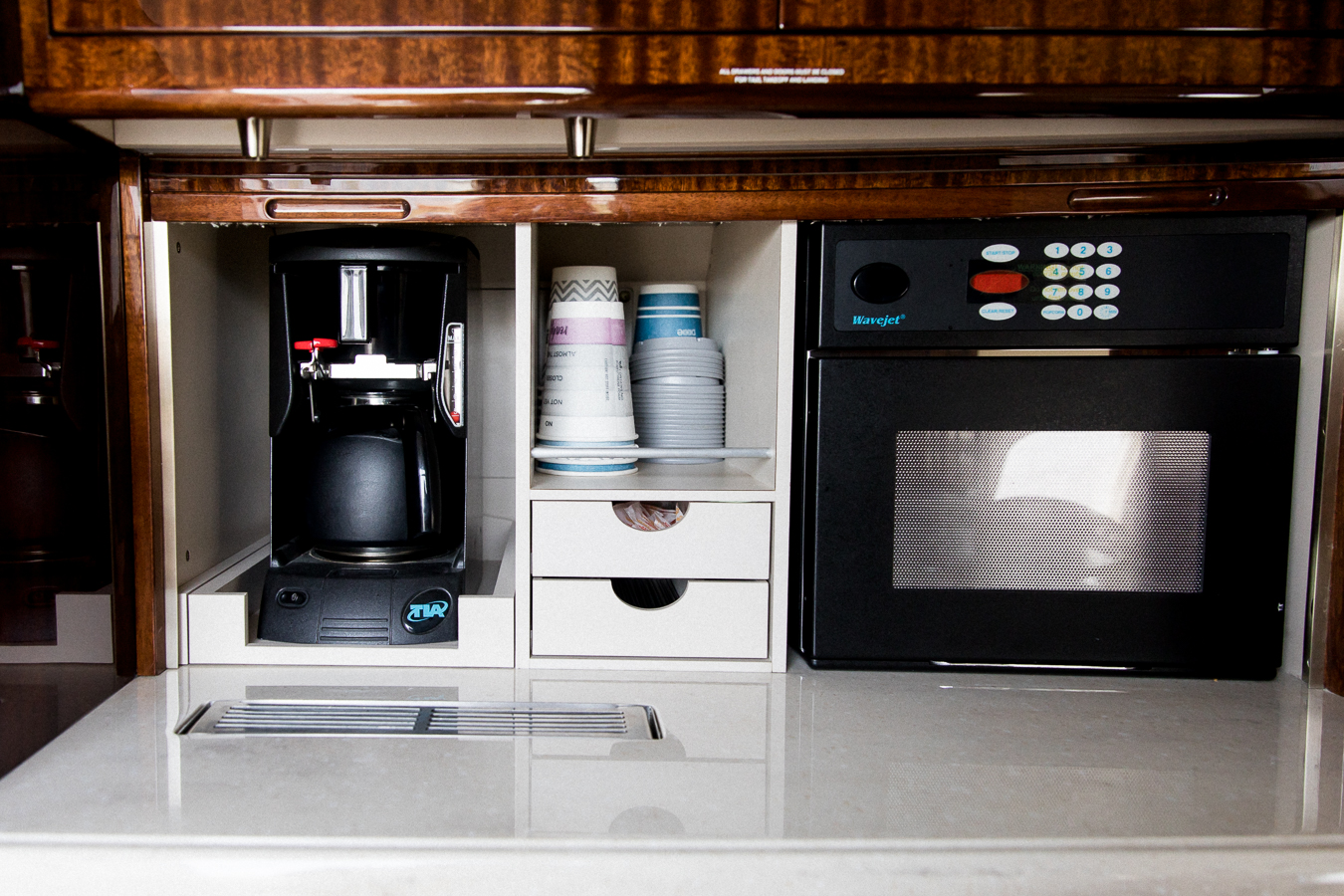
Bombardier Challenger 300 N985KM galley area featuring beverage service equipment, storage, and executive travel amenities.
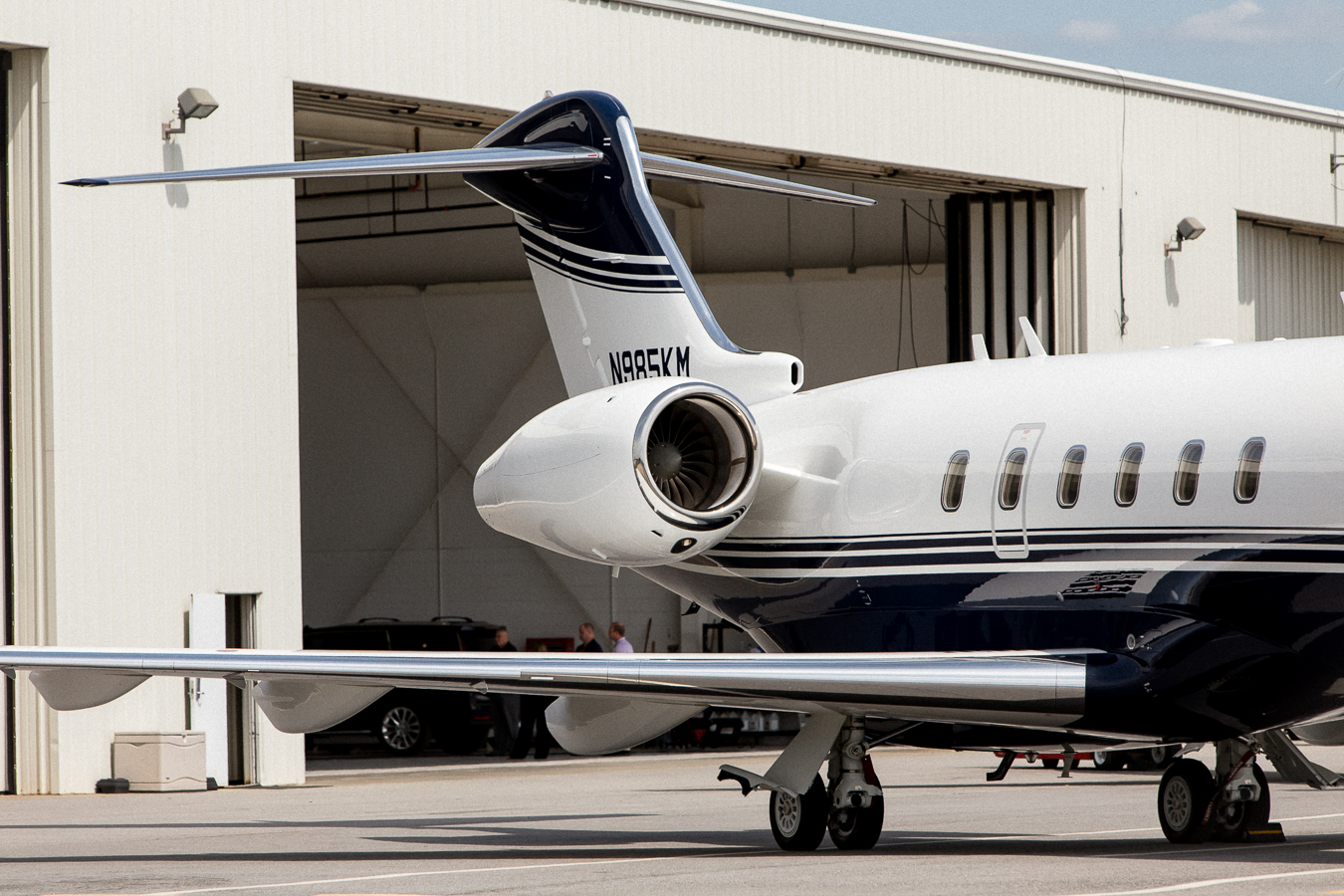
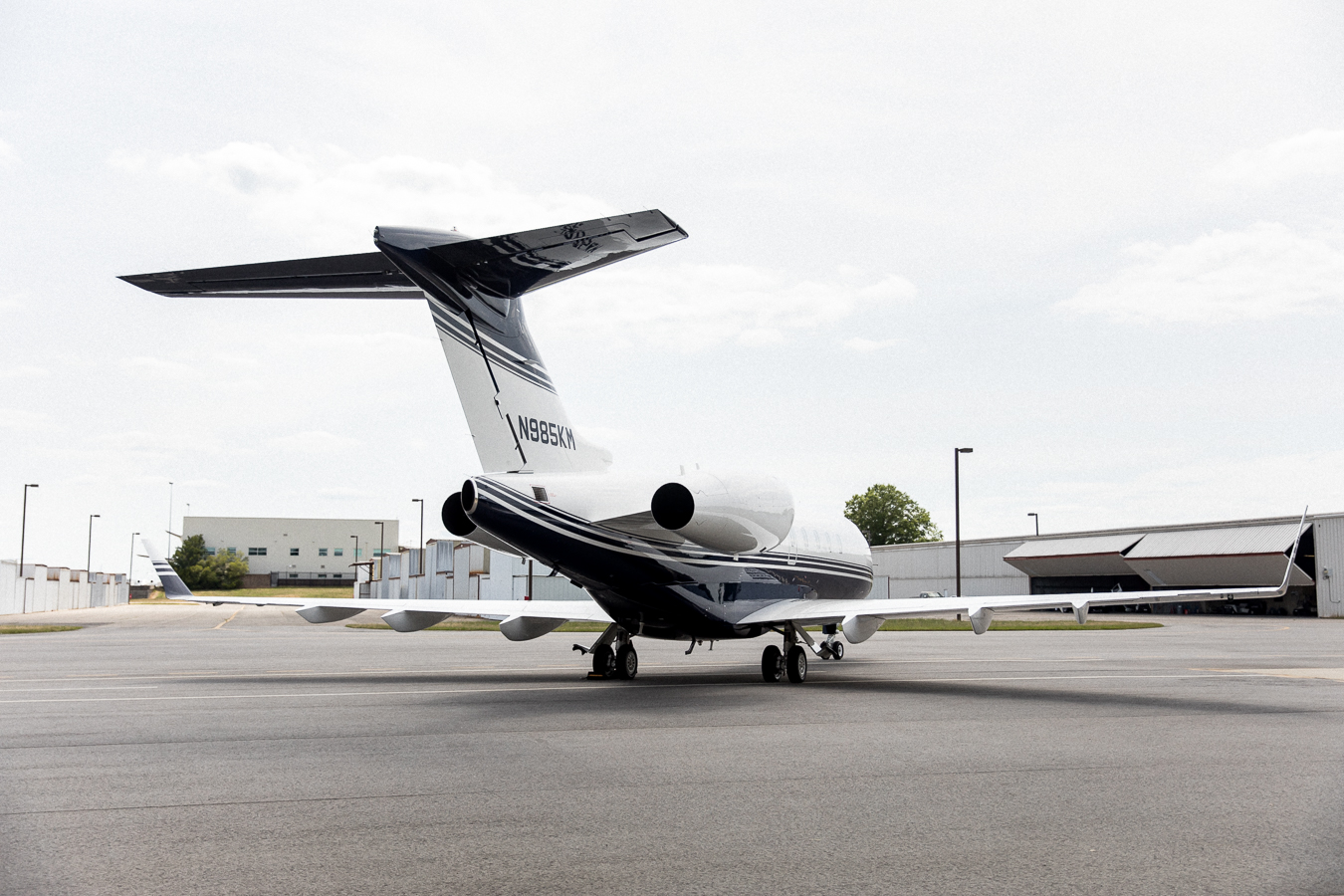
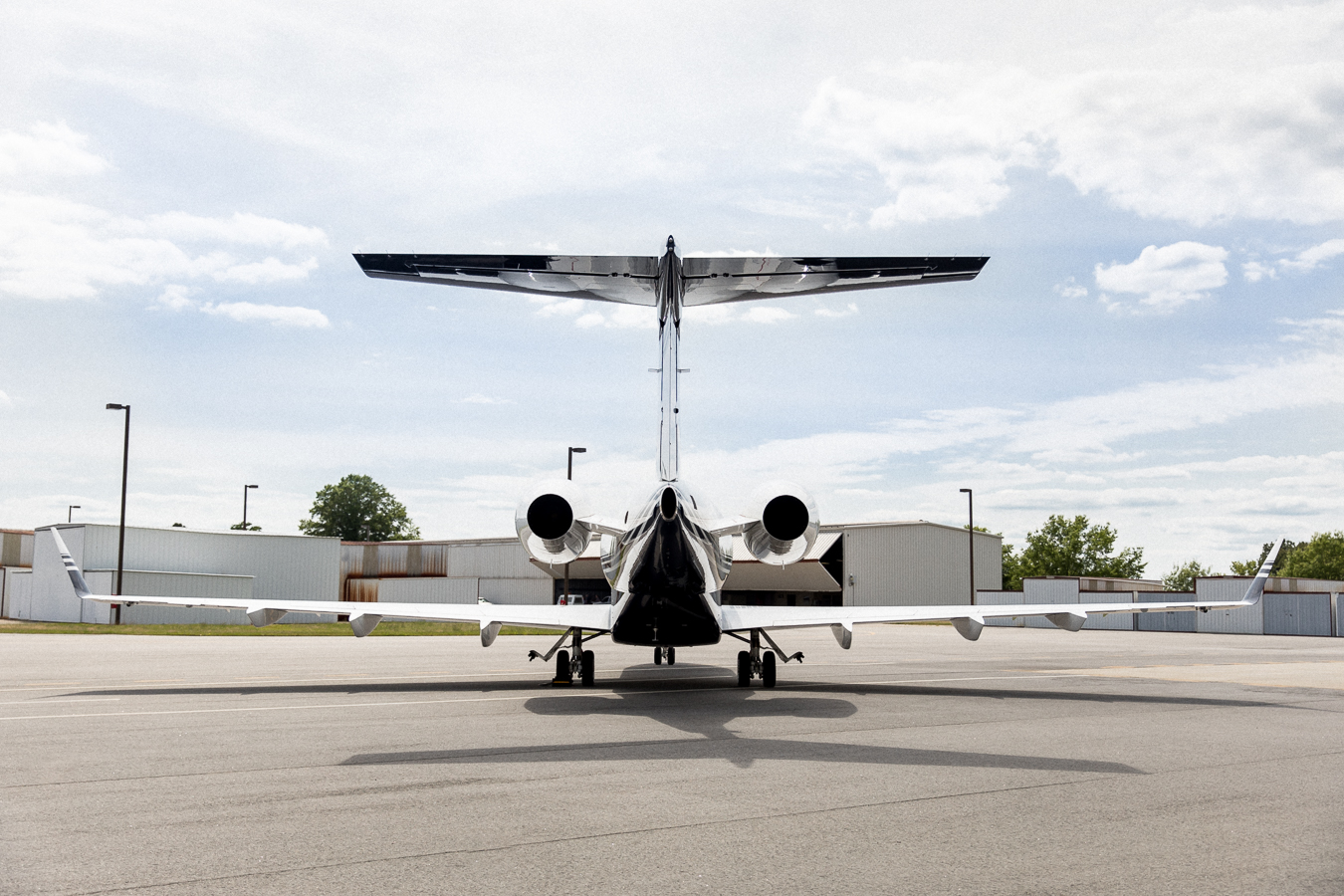
Rear view of Bombardier Challenger 300 N985KM, highlighting twin jet engines and sleek fuselage design.

Operational Planning for Bombardier Challenger 300 N985KM

Every transportation requirement introduces a different combination of passenger needs, scheduling priorities, destinations, operational considerations, and mission objectives. Understanding these details helps determine how N985KM may support the travel profile being evaluated.

Some missions focus on executive mobility. Others may involve ownership transportation, recurring schedules, corporate transportation planning, or destination-specific requirements. Evaluating these factors early helps align aircraft utilization with broader operational objectives while supporting efficient mission planning.

For organizations and individuals seeking a proven super midsize aircraft supported by structured operational oversight, N985KM remains a versatile transportation resource capable of supporting a wide range of travel requirements throughout North America.

Discuss Bombardier Challenger 300 N985KM Availability and Operational Requirements

Every mission presents a unique combination of transportation objectives, passenger considerations, scheduling priorities, and operational requirements. Understanding these details helps determine how N985KM may best support the travel profile being considered.

Flight Group Corporation reviews each inquiry based on mission objectives, aircraft availability, scheduling considerations, operational requirements, and transportation priorities. Evaluating these details early helps create a planning framework aligned with the broader goals of the mission.

Information submitted below is reviewed by the appropriate team members to better understand transportation objectives, mission requirements, operational considerations, and aircraft availability.

This version is substantially different from the other four Challenger 300 pages because it focuses almost entirely on readiness, stewardship, operational consistency, aircraft value, management, and reliability, giving N985KM its own identity within the fleet.