Putting Your Jet on a Charter Certificate: What North Carolina Owners Should Know
- alex
- 0 Comments
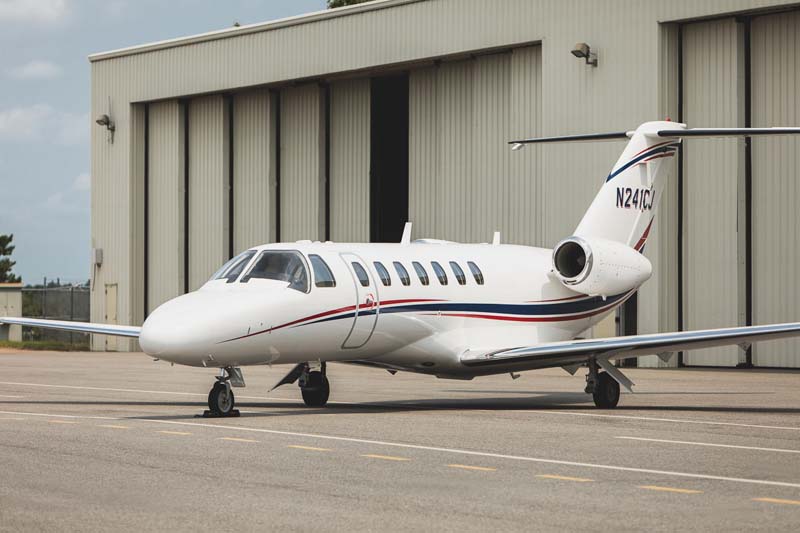
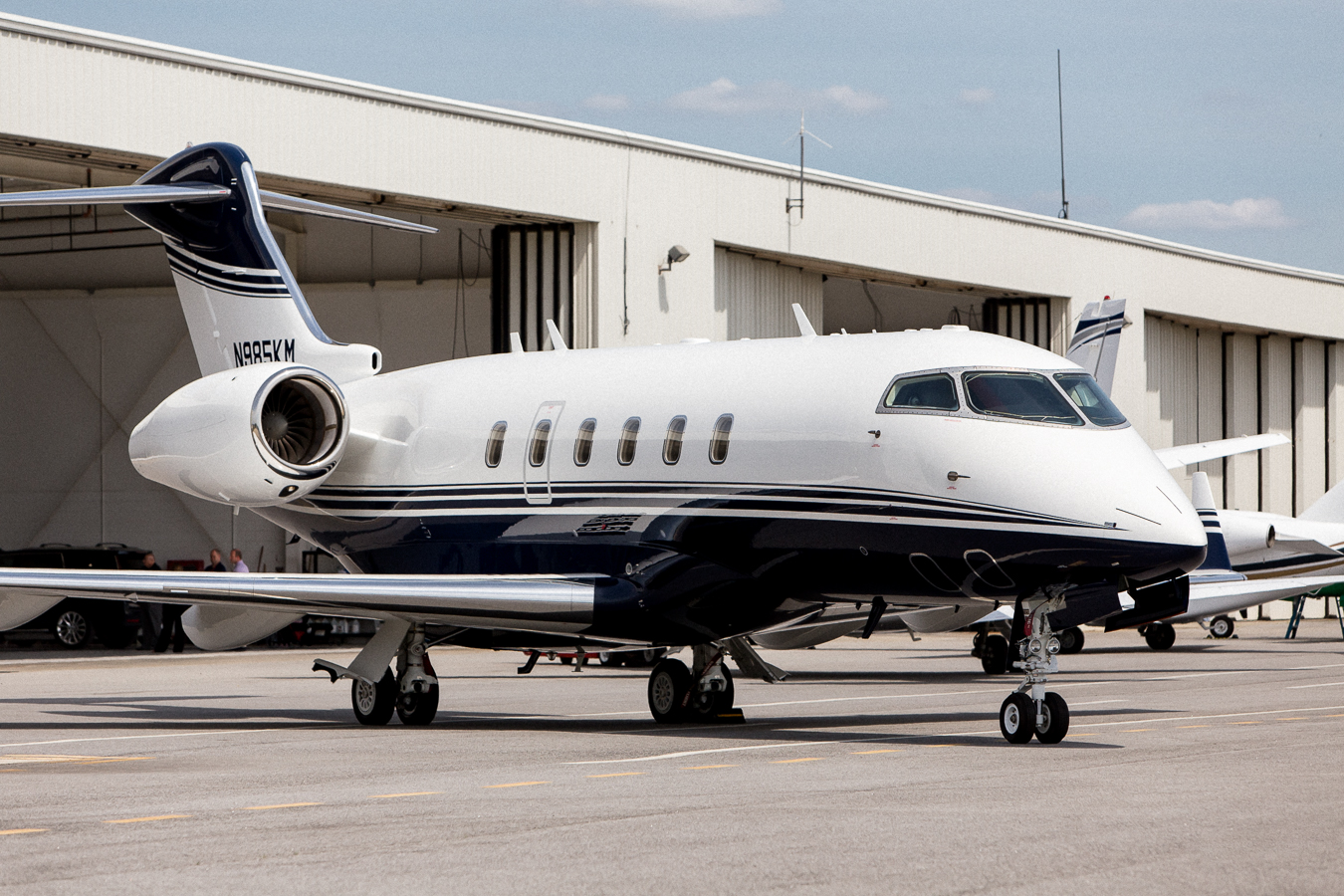
Putting your jet on a charter certificate means adding it to an existing Part 135 operator’s certificate so it can be chartered when you aren’t flying. You keep ownership and still fly it privately under Part 91, but the operator holds operational control on charter flights. Expect an FAA conformity inspection, stricter maintenance, crew duty limits, and reduced availability during peak travel periods. In North Carolina, charter revenue can offset fixed costs, but annual county property tax still applies.
The pitch is straightforward enough. Your jet sits unused most days of the year. A Part 135 operator can charter it when you aren’t flying, and that revenue offsets ownership costs.
The pitch is accurate. What it leaves out is everything that happens between signing the agreement and the first revenue flight, and that part surprises most owners. Putting your jet on a charter certificate is not a paperwork exercise. It changes how the aircraft is maintained, who is legally responsible for each flight, how quickly you can use your own airplane, and in some cases what the interior has to be made of.
Here’s what the process actually involves for owners based at Raleigh-Durham, Charlotte, Greensboro, and elsewhere in North Carolina.
What Putting Your Jet on a Charter Certificate Actually Means
You won’t get your own certificate. Obtaining a Part 135 air carrier certificate from scratch is a multi-year undertaking involving manuals, management personnel, FAA gates, and proving runs. Almost no individual owner does it.
Instead, you place your aircraft onto an existing operator’s certificate. The operator adds your tail number to its operations specifications, and your aircraft becomes one of the aircraft it is authorized to fly commercially.
The key legal concept here is operational control. During any flight conducted under the operator’s certificate, the certificate holder, not you, has operational control. They decide whether the flight goes, who crews it, and whether conditions are acceptable. The FAA requires a lease agreement that clearly establishes this, and inspectors may ask to see it.
You still own the aircraft. You still fly it under Part 91 for your own trips. But the aircraft now lives under two sets of rules, and the stricter one governs how it is maintained.
Learn more about aircraft management with Flight Group
Why Owners Do It
The financial case is real. Fixed costs, including crew salaries, hangar, insurance, and scheduled maintenance, accrue whether the aircraft flies. Charter revenue offsets them.
The standard arrangement is a revenue split, commonly 85/15 in the owner’s favor. The important detail, and the one that gets misrepresented in proposals, is that your share is not profit. Direct operating costs come out first.
On a super-midsize jet chartering at roughly $7,500 per hour, an 85% share is about $6,375. Subtract direct operating costs of roughly $3,800, and the net contribution toward your fixed costs is closer to $2,575 per hour. At 200 charter hours, that is meaningful money. It is not $7,500 an hour, and any projection that models the gross charter rate shows a number that will not survive the year.
Step One: FAA Conformity
Before your aircraft can fly a single charter leg, it has to conform. The FAA conducts a conformity check to confirm the aircraft and its equipment meet the requirements of 14 CFR 135.25, including registration, current airworthiness certification, and airworthy condition.
Conformity goes deeper than most owners expect.
Maintenance records get scrutinized. Records must be complete, with no gaps in documentation, and the standard is strictest for time-limited and cycle-limited components. Where a life-limited component has an incomplete record, the FAA position is that it must be returned to zero-time status. On an older aircraft with an imperfect logbook history, that single requirement can dominate the entire cost of conformity.
Manufacturer overhaul intervals become mandatory. Time-between-overhaul figures that are advisory under Part 91 must be complied with for an aircraft operated under a Part 135 certificate.
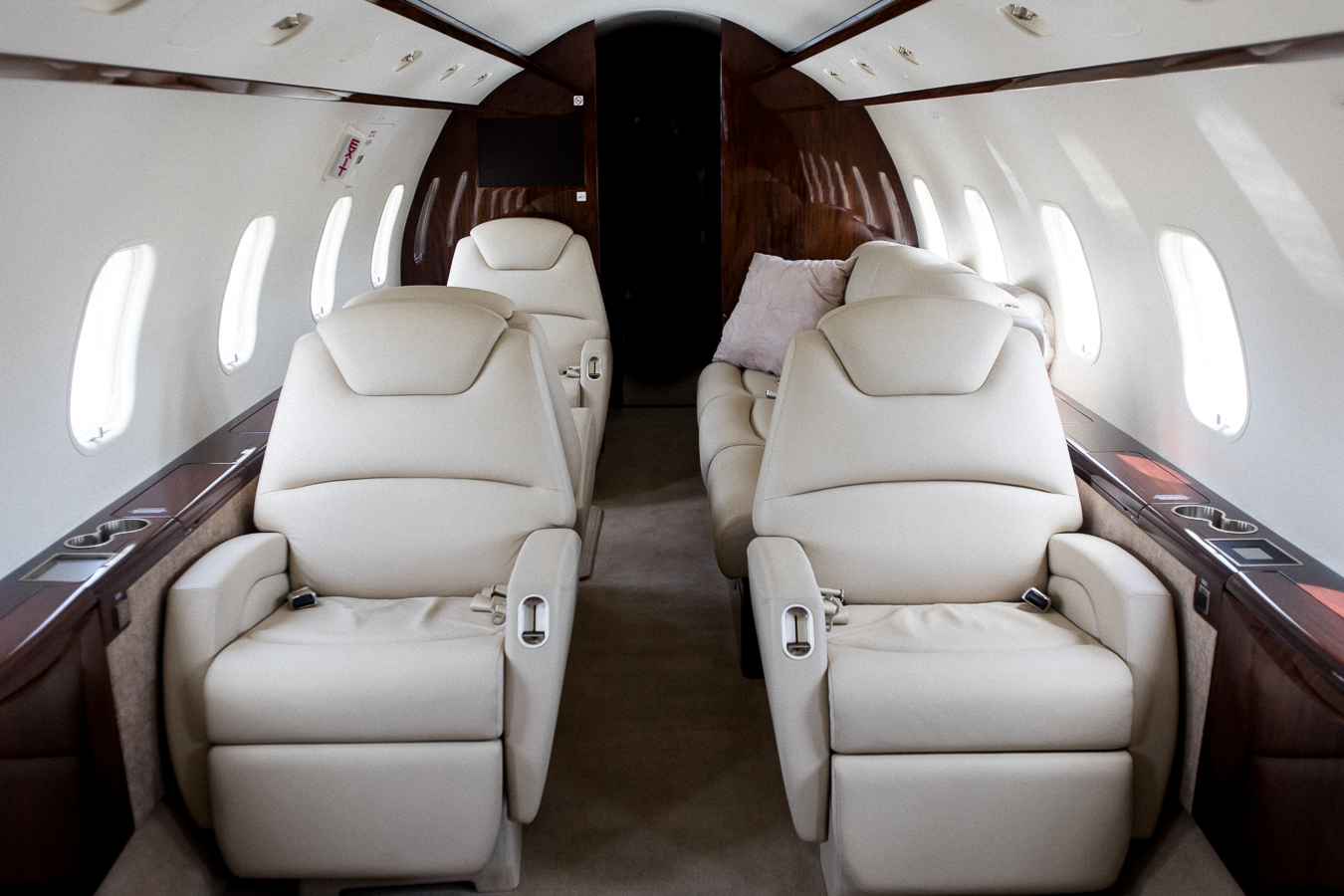
The interior is inspected. Cabin materials, including seat covers, carpeting, and wood panels, must meet the flammability standards of 14 CFR 25.853. Oxygen bottles and emergency equipment have their own requirements. Owners who have recently refurbished an interior without 135 in mind sometimes discover the materials do not qualify.
The practical advice from operators who do this regularly: commission a mock conformity inspection before committing. It surfaces the expensive problems while you still have the option to walk away.
Step Two: The Maintenance Program Changes
This is the part with lasting cost implications, and it depends on your aircraft’s certificated seating.
Nine passenger seats or fewer. The aircraft is maintained under Parts 91 and 43 plus the additional requirements of 14 CFR 135.415, 135.417, 135.421, and 135.422. An approved aircraft inspection program may be used under 135.419.
Ten seats or more. The aircraft must be maintained under a continuous airworthiness maintenance program, following 135.415, 135.417, and 135.423 through 135.443.
Either way, expect more frequent inspections, tighter component tracking, and mandatory reporting of mechanical irregularities and service difficulties. More inspections mean more downtime and higher annual maintenance spend.
There is a genuine upside here that owners often overlook. An aircraft maintained to Part 135 standards has cleaner, more complete records, which tends to support resale value. You are paying for rigor, and rigor matters when you sell.
More on operations and technical oversight
Step Three: Crew Requirements
Part 135 imposes training, checking, and currency requirements beyond what Part 91 asks of your pilots, along with duty and rest limitations that Part 91 does not impose at all.
The practical consequence is scheduling. A crew that has reached a duty limit cannot legally fly, even if you want to go. Operators manage this with crew depth, but it is a real constraint and worth understanding before you sign.
Availability: The Trade You Are Actually Making
Charter demand peaks exactly when you are most likely to want your aircraft. Holiday weekends, major sporting events, and the weeks around them are the busiest charter periods and also the times owners most want to travel.
Your management agreement should explicitly spell out owner priority, including how much notice you must give to reclaim the aircraft and what happens when a charter is already booked. Ask how often owners in their fleet actually get bumped, and ask to speak with one.
The second trade is airframe hours. Charter flying consumes engine and airframe life. You are converting asset life into current income, which is often a good trade for a lightly flown aircraft. For one already flying near its planned utilization, it may not be.
The Tax Picture in North Carolina
Charter changes your tax position in several directions at once. Three points matter most for North Carolina owners.
Federal excise tax. Commercial air transportation is subject to a federal excise tax on the amount paid, generally 7.5% plus segment fees. Part 91 operations pay fuel taxes instead. Once your aircraft generates charter revenue, FET becomes part of the picture, and the operator handles collection and remittance.
North Carolina sales and use tax is capped. The state taxes aircraft purchases at the 4.75% general rate but caps the tax at $2,500 per article, and local and transit sales taxes do not apply to aircraft. That cap is one of the more favorable features of basing an aircraft in this state, and it applies regardless of whether you charter.
County property tax still applies. North Carolina counties levy an annual personal property tax on aircraft, separate from sales tax. Aircraft must be listed with the county where they are based between January 1 and January 31 each year, with a 10% penalty for late listing. Mecklenburg County and Guilford County both list aircraft explicitly among taxable business personal property, as does Wake County.
Rates vary by county. Wake County, home to Raleigh-Durham International Airport, sets its county rate at 53.71 cents per $100 of assessed value for the current year, which puts an $8 million aircraft at about $43,000 annually before any municipal or district rates. Mecklenburg and Guilford set their own.
Placing the aircraft on a charter certificate does not automatically remove that obligation. North Carolina apportions value for certain public service companies, a category built around scheduled carriers rather than on-demand charter operators. Confirm your specific situation with the county tax office and an aviation tax advisor before assuming charter use changes your bill.
Charter income is also taxable income, though it opens deductions and depreciation treatment that are worth modeling properly. This is a conversation for your CPA before you sign, not after.
Where the Aircraft Is Based Changes the Math
Basing decisions affect charter revenue as directly as they affect tax.
Raleigh-Durham (RDU) serves the Triangle’s corporate, research, and university economy, with customs handling for international trips and a deep enough maintenance and vendor market to keep costs competitive.
Charlotte (CLT) anchors a major banking and corporate center, generating consistent charter demand, though it is also one of the busiest airports in the country.
Greensboro (GSO) serves the Triad’s manufacturing and logistics base with less congestion and typically lower operating costs.
Two practical points follow. Charter demand isn’t evenly distributed across these markets, so an aircraft based where demand is thin will fly more repositioning legs, and repositioning erodes economics. And because county tax rates differ, the basing decision carries a recurring cost consequence beyond hangar rent.
Aircraft management based at RDU.
Is Charter Right for Your Aircraft?
Five questions settle it faster than a spreadsheet.
- How much do you actually fly? An owner flying 100 hours a year has far more surplus availability than one flying 300.
- Is your aircraft in demand? Popular light and midsize types charter more consistently than niche models. Cabin size, range, and age all matter.
- What will conformity cost? Get a mock inspection. On an older aircraft with records gaps, this figure can exceed the first year of charter revenue.
- How much does availability matter? If you need the aircraft on short notice regularly, the constraint may outweigh the revenue.
- How do you feel about hours on the airframe? You are trading asset life for income.
If the answers point toward Part 91, that is a legitimate outcome. Plenty of owners keep their aircraft private and use a management company purely for crew, maintenance oversight, and compliance. Charter is an option, not an obligation.
Frequently Asked Questions About Jet Charter in North Carolina
What does putting your jet on a charter certificate mean?
How long does it take to add an aircraft to a Part 135 certificate?
Does charter revenue cover the cost of owning a jet?
Will I lose access to my own aircraft?
Does putting my jet on a charter certificate change my North Carolina property tax?
Can I take the aircraft off the certificate later?
Talk It Through Before You Commit
Putting your jet on a charter certificate can be a sound financial decision. It can also be expensive if you underestimate conformity costs, if the availability terms are vague, or if the revenue projection ignores direct operating costs.
The only way to know which applies to your aircraft is to run the numbers on your specific tail number, your actual utilization, and a realistic view of what it will take to conform.
Flight Group Corporation has managed aircraft from Raleigh-Durham International Airport for nearly three decades, and we build a detailed analysis for each owner rather than a standard proposal. If you are weighing charter for an aircraft based in Raleigh, Charlotte, Greensboro, or anywhere in North Carolina, we are glad to walk through it line by line.
Contact Flight Group Corporation
This article is general information for aircraft owners and is not legal, tax, or regulatory advice. FAA requirements, tax treatment, and county assessment practices change. Consult your aviation attorney, CPA, and the relevant county tax office before making ownership or charter decisions.
Related Posts